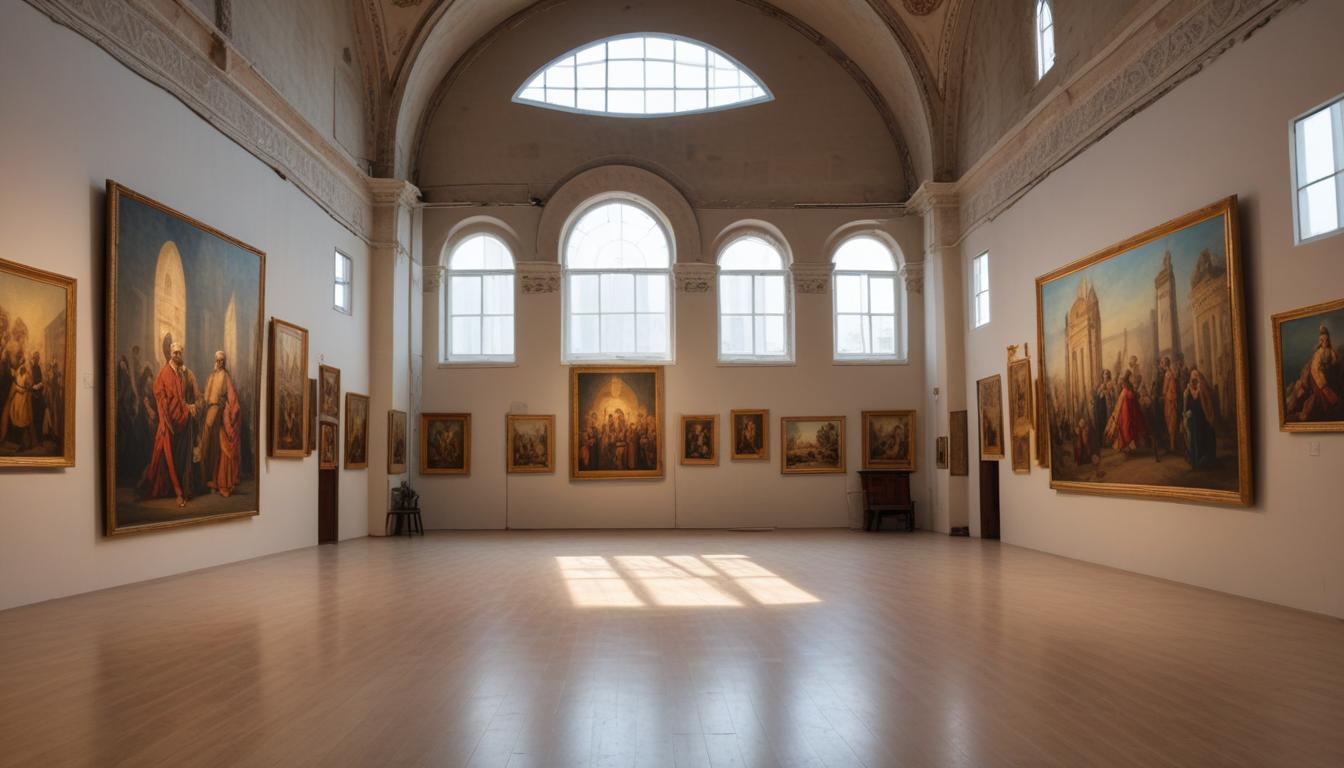
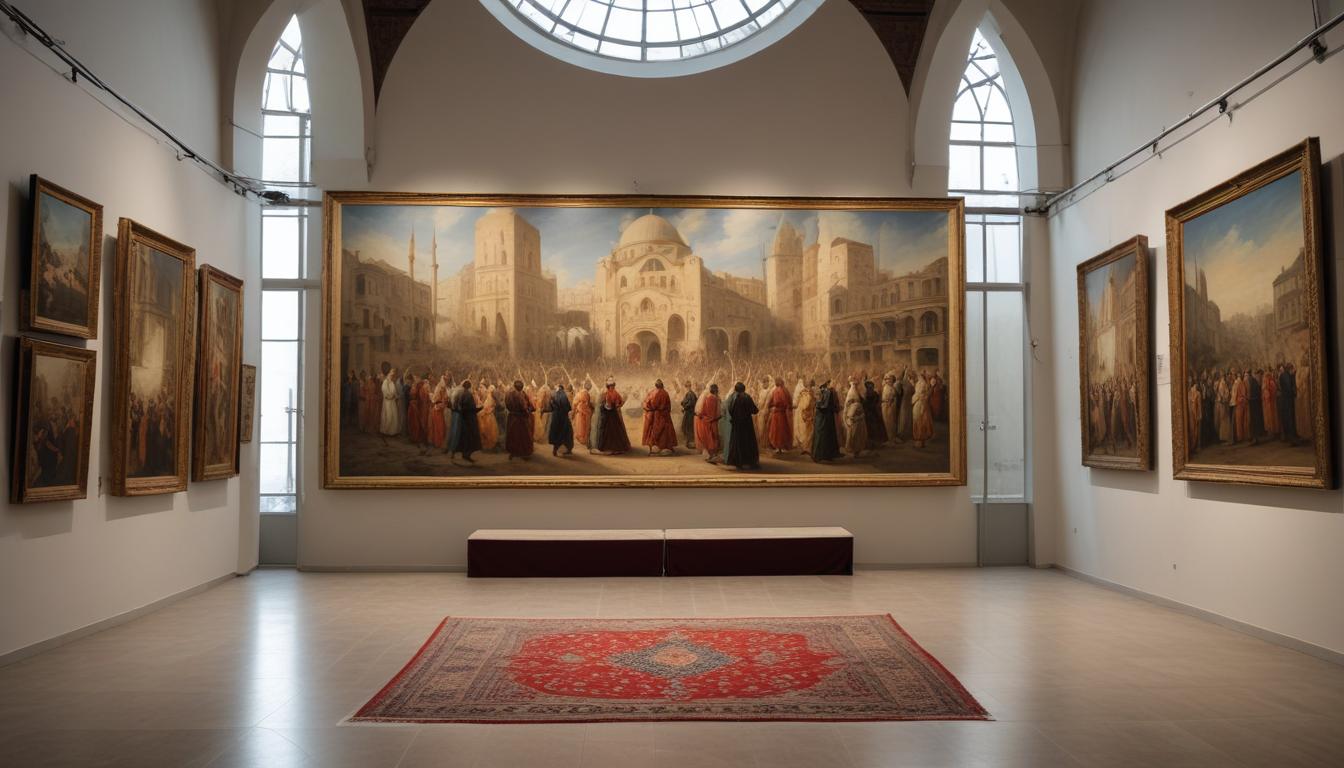
Walk through Beyoğlu on any given evening and you'll encounter a performing arts landscape unrecognizable from the one that existed in the early 2000s. Back then, theatre in Istanbul was largely confined to state-run institutions and a handful of experimental spaces tucked into Galata's backstreets. Today, the district pulses with activity—from the restored Süreyya Opera House in Kadıköy to cutting-edge independent companies staging productions in converted warehouses across Tophane.
The transformation began quietly in the mid-2010s, driven by a generation of artists frustrated with limited platforms and funding. The Istanbul Foundation for Culture and Arts (İKSV) had established the Istanbul International Film Festival in 1982, but theatre remained fragmented. What changed was infrastructure. When Tophane-i Amire Cultural Center opened its doors as a contemporary arts hub in 2015, it signaled something larger: the city was ready to invest in creative spaces beyond the traditional venues clustered in Sultanahmet and Eminönü.
Today, Istanbul supports approximately 47 active independent theatre companies, according to the Turkish Performing Arts Association's 2025 census—a number that would have seemed improbable a decade earlier. Venues like Zorlu PSM in Besiktaş, which opened in 2011, helped establish a model combining international touring productions with local talent development. Ticket prices typically range from 150 to 500 Turkish lira for independent theatre (compared to 80-250 lira in the 1990s), reflecting both rising production costs and growing audience demand.
The film scene experienced parallel growth. While Istanbul International Film Festival attendance hovered around 180,000 in 2010, last year's edition drew over 400,000 visitors across its ten-day run. Independent cinemas—once nearly extinct—have resurged in spaces like Nişantaşı, Cihangir, and Karaköy, challenging the multiplex dominance that characterized the 2000s.
Yet challenges persist. Government cultural funding remains concentrated in state institutions. Independent venues frequently struggle with rent pressures as gentrification reshapes neighborhoods like Balat and Fener. The pandemic dealt severe blows to box office returns that venues still haven't fully recovered from.
Still, Istanbul's performing arts ecosystem now operates on a scale that reflects the city's global ambitions. Young directors, international collaborators, and audiences have transformed what was once a culturally fractured metropolis into a legitimate destination for contemporary theatre and film. The street-level evidence is undeniable: in Beyoğlu alone, you'll find more quality performance spaces than existed citywide just twenty years ago.
This article was compiled by AI from the sources linked above and screened before publishing. See our editorial standards.