Beyond Kebab: What Visitors Must Know About Istanbul's Restaurant and Bar Culture
From Michelin-starred dining in Beyoğlu to neighbourhood meyhanes serving generations-old recipes, here's how to navigate the city's evolving food scene like a local.
From Michelin-starred dining in Beyoğlu to neighbourhood meyhanes serving generations-old recipes, here's how to navigate the city's evolving food scene like a local.
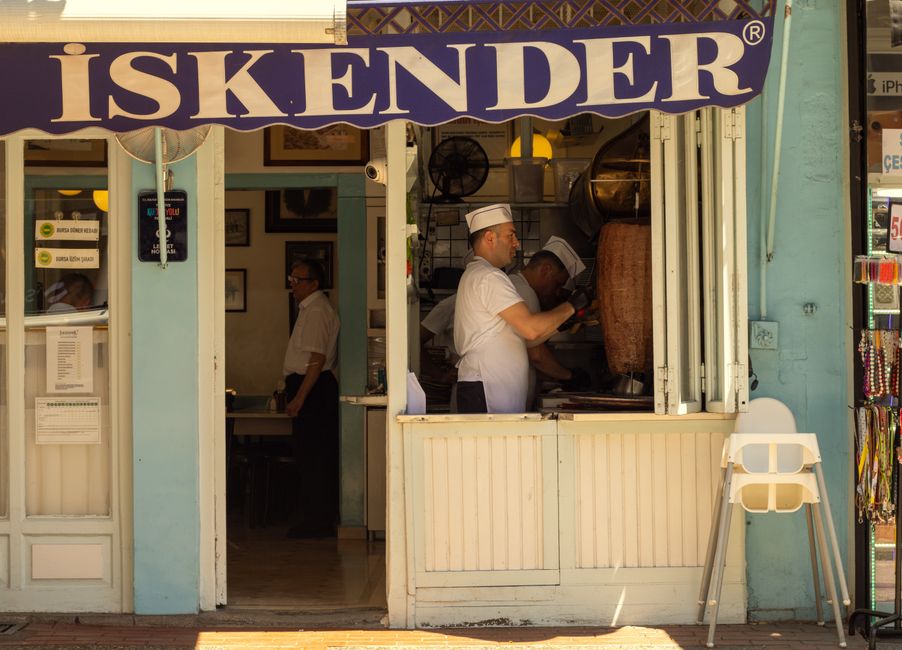
Istanbul's restaurant culture has transformed dramatically over the past decade, yet the city's most authentic culinary experiences still exist in places tourists often overlook. Understanding this duality—between trendy new establishments and time-honoured traditions—is essential for anyone serious about eating well here.
The Golden Horn's western shore, particularly around Balat and Fener, has become the epicentre of Istanbul's foodie renaissance. Narrow cobblestone streets now host intimate wine bars and contemporary bistros alongside family-run lokantası where a three-course meal costs under 200 Turkish lira. These neighbourhoods attract both expat residents and increasingly affluent Turkish diners seeking authenticity without pretension. Meyhanes—traditional taverns serving meze and raki—remain the social backbone of Turkish dining culture, and locals will tell you the best ones aren't found in Sultanahmet but in working-class districts like Aksaray and Fatih.
Beyoğlu's Istiklal Avenue, despite its tourist reputation, houses several excellent restaurants worth the crowds. However, venture into side streets like Nevizade—a narrow alley packed with seafood meyhanes—and you'll find better value and more authentic atmosphere. A grilled fish dinner with wine typically runs 400-600 lira per person, considerably less than comparable meals in European capitals.
Price expectations require recalibration. Istanbul offers exceptional value by international standards. Street food—simit, mussels, döner—costs 20-50 lira. Mid-range restaurant meals average 150-300 lira. Even upscale establishments in converted Ottoman mansions rarely exceed 800 lira per person with wine. This affordability explains why Istanbul's dining scene has become increasingly sophisticated; talented chefs can experiment without astronomical overheads.
The breakfast culture deserves special mention. Turkish breakfast—a spread of cheeses, olives, honey, eggs, and fresh bread—is a serious affair, particularly in affluent neighbourhoods like Cihangir and Arnavutköy. Weekend breakfasts regularly extend three hours, reflecting deeper cultural values around community and leisure.
Practical advice: eat where locals eat. If a restaurant's clientele is predominantly tourists, move on. The best meals happen in establishments with no English menus. Learn basic Turkish food terms or use translation apps. Visit neighbourhood markets like Balık Pazarı or Spice Bazaar not as tourist attractions but as functional shopping spaces where vendors offer tastes and recommendations. Reserve ahead for Michelin-listed restaurants; walk-ins work everywhere else.
Istanbul's restaurant culture ultimately reflects the city's character—layered, contrasting, deeply rooted yet perpetually evolving. The visitor who grasps this complexity eats incomparably better than one who simply follows guidebook recommendations.
This article was compiled by AI from the sources linked above and screened before publishing. See our editorial standards.
How does this story make you feel?
Spread the word
About this article
Published by The Daily Istanbul
Daily brief
Free, in your inbox before 7am. Weekdays.
More in culture