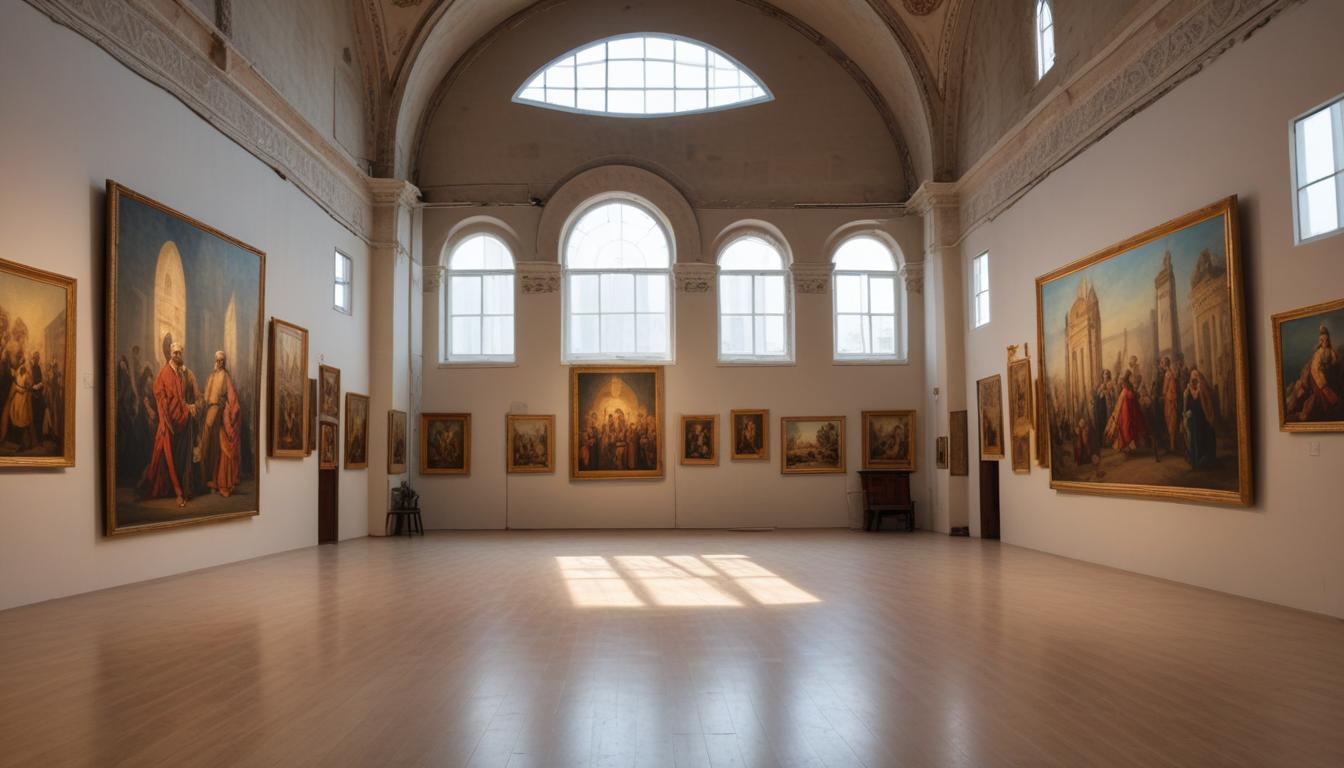
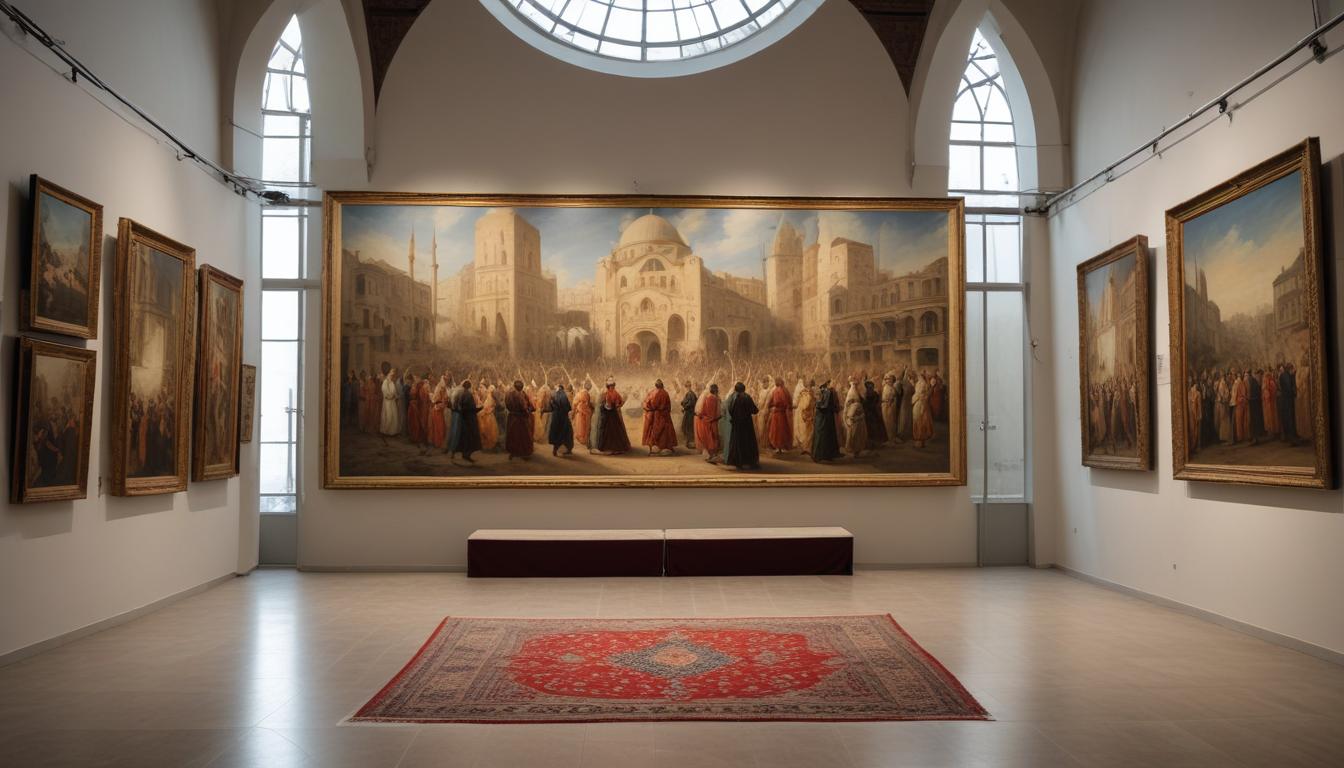
Istanbul's Street Art Renaissance: A Visitor's Guide to the City's Most Vibrant Creative Districts
From Balat's pastel-hued alleyways to Karakoy's gallery walls, here's what you need to know about experiencing Istanbul's thriving urban art scene.
From Balat's pastel-hued alleyways to Karakoy's gallery walls, here's what you need to know about experiencing Istanbul's thriving urban art scene.
Istanbul's street art landscape has undergone a remarkable transformation over the past decade, establishing the city as one of Europe's most dynamic urban canvas destinations. What began as underground cultural expression has evolved into a sophisticated ecosystem of creative districts, artist collectives, and design-forward neighbourhoods that attract visitors seeking authentic cultural immersion beyond the standard tourist circuit.
Balat remains the undisputed epicentre of Instagram-worthy street art, with its narrow cobblestone streets lined by candy-coloured facades and intricate murals. The neighbourhood's transformation began around 2010, when local residents and artists began collaborating on facade renovations. Today, virtually every corner offers compelling visual narratives—from whimsical animal illustrations to politically charged installations. Arriving early morning before crowds arrive is essential; expect to spend 2-3 hours photographing and exploring. The area is also home to independent cafes and vintage shops, making it a full sensory experience.
Karakoy presents a more contemporary approach to street art, functioning as Istanbul's unofficial design quarter. The waterfront neighbourhood hosts numerous galleries, including the renowned Platform Garanti Contemporary Art Center. Street art here tends toward bold geometric patterns and experimental techniques, reflecting the area's role as an incubator for emerging artists. Many walls rotate their murals seasonally, so repeat visits reveal entirely new compositions.
Tophane, adjacent to Karakoy, has experienced explosive growth as an artist hub. The neighbourhood's industrial heritage—evident in converted warehouses and metalwork shops—provides an authentic backdrop for contemporary installations. Several artist studios remain open to visitors by appointment, offering glimpses into creative processes rarely accessible to tourists.
For those seeking curated experiences, the Istanbul Street Art Association occasionally organises guided tours covering 8-10 key districts, typically costing around 350-450 Turkish lira per person. These tours provide historical context often absent from independent exploration.
Practical considerations: Street art thrives throughout the year, though spring and autumn offer optimal photography conditions with softer light. Most neighbourhoods are accessible via metro or tram; Balat and Karakoy are connected by the T1 tram line. Budget three to five hours per district, depending on your documentation habits. Respect private property—while most murals are commissioned or tolerated installations, always verify before photographing commercially.
Istanbul's street art represents more than aesthetic enhancement; it reflects the city's democratic spirit and generational dialogue about identity, displacement, and belonging. These districts remain works-in-progress, constantly evolving through community participation and artistic intervention.
This article was compiled by AI from the sources linked above and screened before publishing. See our editorial standards.
How does this story make you feel?
Spread the word
About this article
Published by The Daily Istanbul
Daily brief
Free, in your inbox before 7am. Weekdays.
More in culture