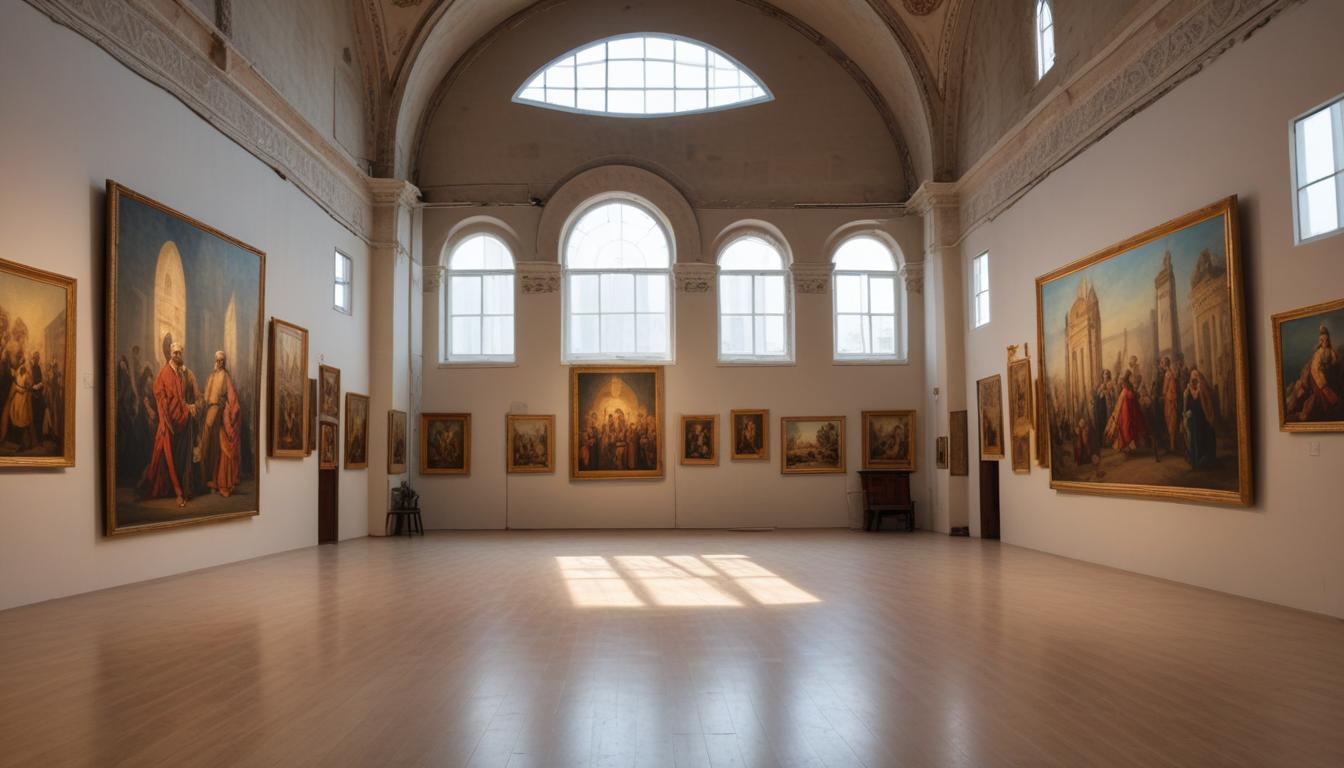
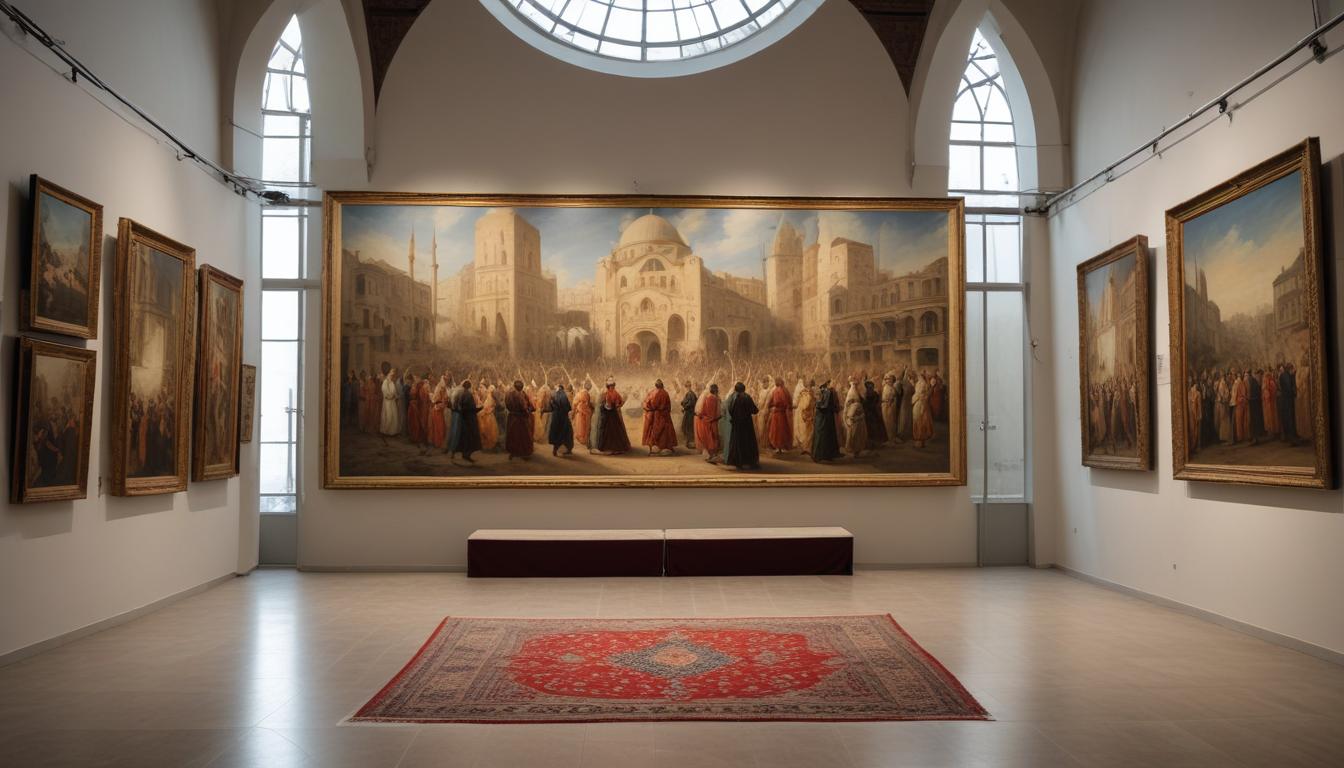
Walk down the narrow cobblestone streets of Galata today, and you'll encounter a paradox that defines modern Istanbul: centuries-old stone buildings housing contemporary art galleries, vintage record shops, and design studios run by entrepreneurs half a century younger than the walls surrounding them. This transformation—from a neighbourhood of rope-makers and metalworkers to a global creative hub—tells the story of how a city negotiates its past while racing toward its future.
The Galata Tower, completed in 1348, once watched over a thriving Genoese trading port. For centuries, the streets below hummed with the sounds of craftspeople: rope-makers in what is now Karakoy, silversmiths near Tersane Street, and textile merchants whose workshops stretched across what locals still call Esnaf Sokak—Craftspeople's Street. By the early 20th century, the neighbourhood had become the commercial heart of a modernising empire, its workshops and warehouses feeding Istanbul's rapid industrialisation.
The decline came gradually. By the 1980s and 1990s, manufacturing had moved elsewhere, and Galata's historic buildings fell into disrepair. Yet this decay became the unexpected catalyst for cultural renewal. Lower rents attracted artists, photographers, and musicians who couldn't afford space in central Istanbul. The first independent galleries opened in converted workshops around 2003-2005. Today, venues like Galata Greek Primary School—transformed into a multi-disciplinary cultural space—sit alongside studios of photographers and painters who pay between 15,000 and 35,000 Turkish lira monthly for modest studios.
The shift accelerated after 2010, when Istanbul's designation as a European Capital of Culture triggered major infrastructure investment. The Galata Port Authority began supporting cultural initiatives. By 2020, the neighbourhood hosted over 150 galleries, creative agencies, and design firms. Annual foot traffic through Galata increased from roughly 2 million visitors in 2010 to an estimated 8 million by 2023, according to local business associations.
Yet this success raises urgent questions about preservation. The very buildings that attracted artists now attract property developers. Rents have tripled in a decade. Traditional craftspeople—a handful still operate studios here—find themselves priced out of the neighbourhood their families shaped for generations. The Galata Heritage Association and municipal authorities now grapple with a familiar urban tension: how to celebrate creative reinvention without erasing the cultural memory that made reinvention possible.
Walking Galata today, you're walking through layers of negotiation—between Ottoman legacy and contemporary creativity, between preservation and progress, between the rope-makers who built the neighbourhood and the designers reimagining it. That unresolved tension may be exactly what keeps Istanbul's culture alive.
This article was compiled by AI from the sources linked above and screened before publishing. See our editorial standards.