Walk down the narrow cobblestone streets of Balat today, and you'll encounter a vibrant patchwork of independent bookshops, vintage cafés, and artist studios housed in painstakingly restored 19th-century buildings. But fifteen years ago, this neighbourhood in Fatih district was slated for demolition. The transformation didn't happen by accident—it was the work of a small, persistent community who saw cultural value where municipal planners saw urban decay.
The turning point came around 2010, when younger Istanbul residents and architects began purchasing crumbling properties along Çukurcuma Caddesi and the narrow lanes branching toward the Golden Horn. Properties that fetched mere thousands of Turkish lira just two decades earlier now commanded attention. Unlike the glass-and-steel projects reshaping Levent and Maslak, these stewards chose restoration over demolition, a radical choice in a city moving at breakneck pace.
Organisations like the Istanbul Foundation for Culture and Tourism and independent conservation groups began documenting the neighbourhood's architectural significance—Byzantine-era foundations, Ottoman-period timber frames, Art Nouveau cornices. By 2015, Balat had been designated a protected heritage zone, though not before several landmark buildings were lost forever. The community had won a partial victory.
Today, rent in Balat runs between 1,500 and 3,500 lire monthly for a modest apartment, pricing out many original residents who lived here for generations. This success carries an uncomfortable weight: gentrification dressed in the language of cultural preservation. The vintage shops and galleries that define Balat's current identity exist alongside residents who remember when families, not tourists, filled these streets.
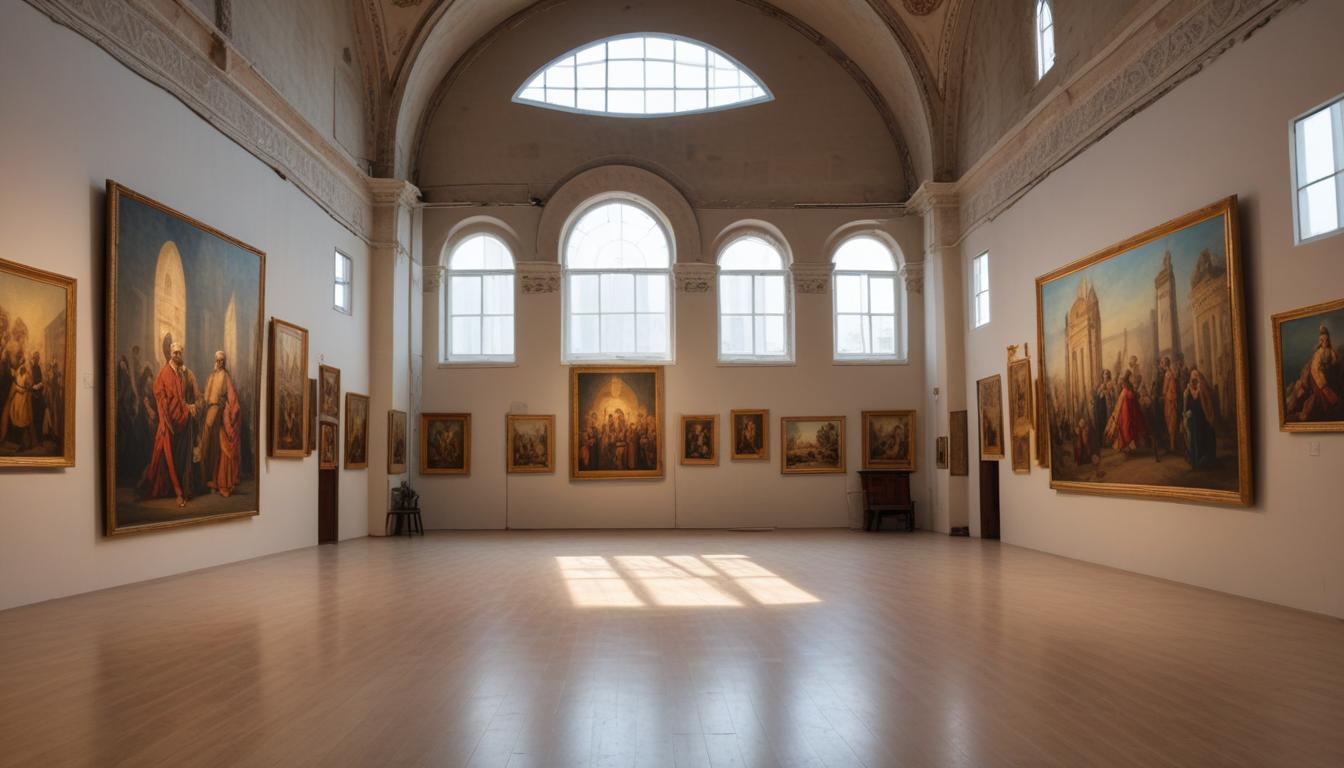
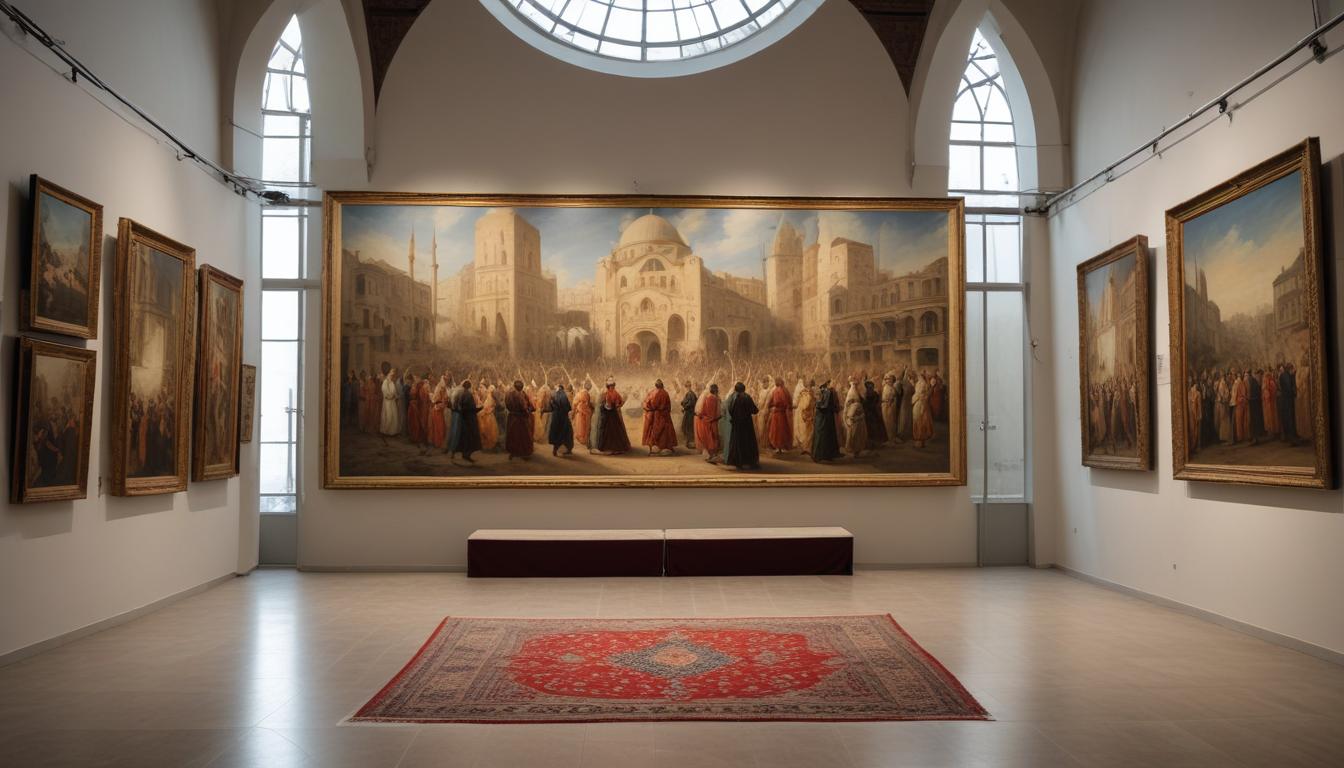
Local cultural organisations have attempted to negotiate this tension. Community projects, affordable studio spaces managed through cooperatives, and heritage education programmes aim to keep Balat's transformation rooted in its actual history rather than its Instagram appeal. The Balat Museum, opened in 2018, deliberately foregrounds the neighbourhood's multicultural past—Greek, Armenian, and Jewish communities who called these streets home.
The people who saved Balat weren't heroes in any conventional sense. They were architects with day jobs, university students with restoration ambitions, neighbourhood shopkeepers who invested their savings. What united them was a refusal to accept that Istanbul's identity must be erased to accommodate its future. Whether their vision ultimately proves sustainable—whether a living community can coexist with cultural tourism—remains the neighbourhood's unresolved question.
This article was compiled by AI from the sources linked above and screened before publishing. See our editorial standards.