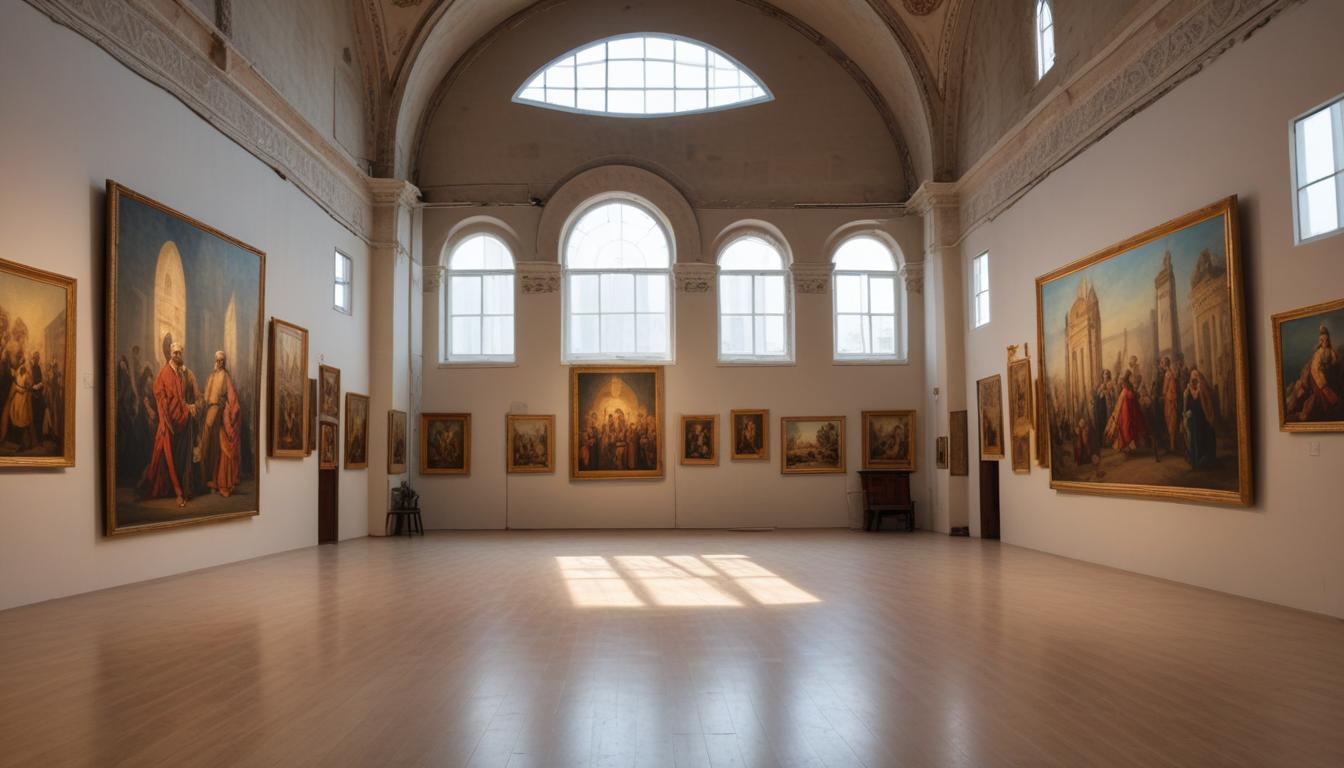
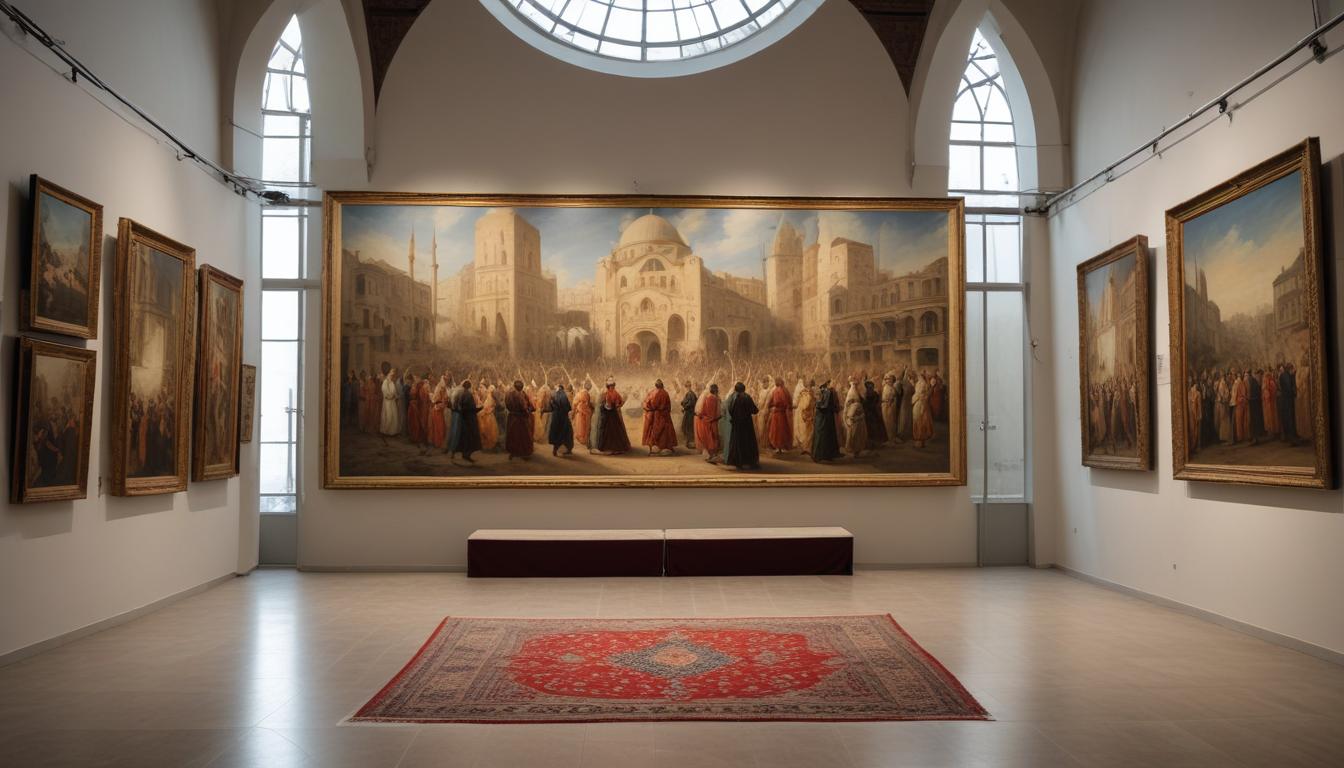
Walk down the narrow cobblestone streets of Beyoğlu on any Thursday evening, and you'll hear it before you see it: experimental soundscapes leaking from the converted warehouse at the intersection of Asmalımescit and Kallavi Sokak. What is now known as Sahniye Atölyesi—the Theatre Workshop—was five years ago nothing more than a crumbling shell of a 1970s printing factory, its walls tagged with decades of graffiti, its windows boarded shut.
The transformation story begins in 2021 with architect Deniz Kara and theatre director Ahmet Çetin, two names rarely mentioned in the same breath as Istanbul's mainstream cultural institutions. Frustrated with the gatekeeping of established venues in Taksim and the rising commercial pressures of Galata, they formed an informal collective with a radical idea: create a laboratory for performance where experimental work could exist without box office pressure.
"We spent six months just negotiating with the municipality," explains the space's resident dramaturge, speaking on condition that the actual names of founders remain anonymous due to ongoing property disputes. The team invested approximately 800,000 Turkish Lira from personal savings, crowdfunding, and international arts grants. They salvaged original wooden beams from the structure, installed a 120-seat theatre with acoustic design appropriate for both text-based drama and avant-garde music performance, and created a flexible gallery space on the upper floor.
Today, Sahniye Atölyesi hosts an average of eight performances monthly, drawing between 60-100 attendees per show—a sharp contrast to the 2,000-seat capacity of nearby commercial theatres. Ticket prices hover around 80-120 TL, deliberately kept low to serve the neighbourhood's artistic community rather than tourist demographics.
The space has become a proving ground for Turkish contemporary theatre. Over the past four years, it has incubated productions that later transferred to international festivals in Berlin and Vienna. Perhaps more importantly, it has fostered a visible creative ecosystem: three permanent artist studios operate on the building's third floor, a small café serves as informal script-development space, and the basement hosts monthly dramaturgy workshops that attract emerging writers from across Turkey.
What makes this story particularly significant in Istanbul's cultural landscape is what it represents: not a top-down institutional initiative, but rather an organic community response to changing artistic needs. As the city continues its rapid gentrification, Sahniye Atölyesi stands as evidence that independent cultural spaces can still take root, even in the most commercially pressured neighbourhoods.
The founders' next venture? A sister venue in Balat, scheduled to open in 2027.
This article was compiled by AI from the sources linked above and screened before publishing. See our editorial standards.