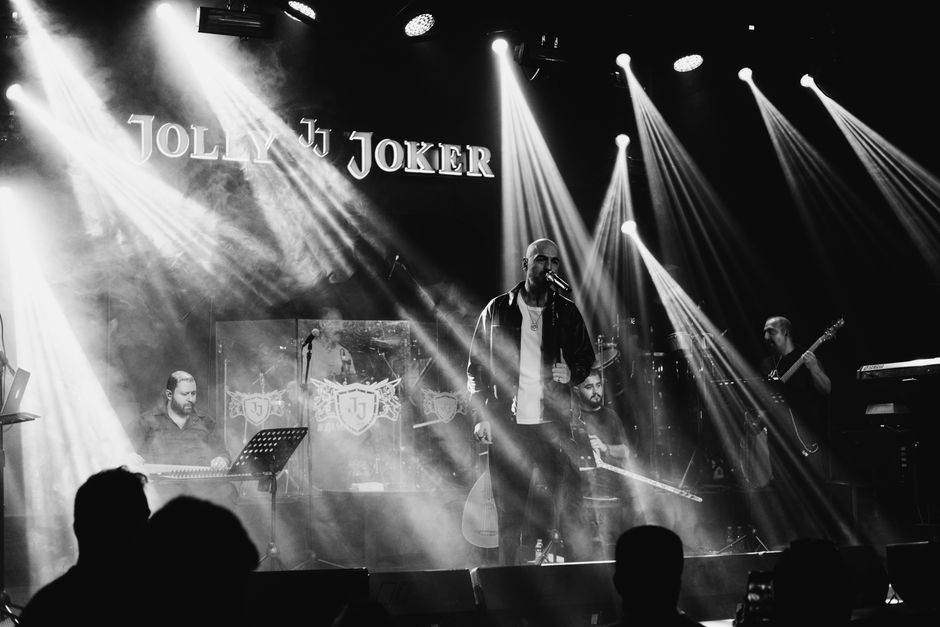
Walk down İstiklal Caddesi on any Thursday evening this month, and you'll hear it before you see it: the unmistakable hum of competing soundchecks bleeding from three, sometimes four venues within a single block. This is not accident. Istanbul's live music ecosystem is undergoing a visible renaissance, and locals cannot stop talking about it.
The catalyst? A combination of factors. Spring's relative economic stabilization has freed disposable income for middle-class Istanbullus, while international tour operators—wary after three years of volatility—are finally booking major acts again. Tickets to mid-tier international shows, once prohibitively priced, now sit between 400-800 Turkish lira, making venues like Babylon, Salon IKSV, and the newly renovated Zorlu Performing Arts Center genuinely accessible to younger audiences.
But the real story is happening in the neighborhoods. Kadıköy's Moda district has emerged as an unexpected epicenter, with at least six new live venues opening in the past eighteen months. Venues like Caddebostan Kultur Merkezi have pivoted from gallery spaces to booking regional Turkish acts and Balkan jazz ensembles four nights weekly. Meanwhile, Beyoğlu's Tophane quarter—long associated with underground culture—is experiencing what some are calling a "formalization moment," with DIY spaces securing proper licenses and investing in sound equipment.
The numbers tell part of the story. According to venue operators' informal network discussions, June shows are running 65-75% capacity on average, compared to 40-50% last year. The Turkish independent music association reports a 34% year-on-year increase in live event permits issued across metropolitan Istanbul.
What's intriguing locals most, however, is the programming diversity. Traditional Turkish music venues in Balat are now booking electronic artists. Rooftop bars in Ortaköy are hosting classical recitals. Queer-friendly venues in Beyoğlu report unprecedented female attendance at hip-hop and rap nights. The gatekeeping has collapsed.
Challenges remain real: rising energy costs are squeezing venues' margins, and the political climate still occasionally spooks international promoters. Yet the psychological shift is undeniable. Conversations in Karakoy coffee shops and Cihangir wine bars increasingly center on which new venue to check out, not whether live music's viable anymore.
For a city that has endured considerable uncertainty, this summer's concert calendar feels like something more than entertainment. It feels like recovery—messy, uneven, but genuine.
This article was compiled by AI from the sources linked above and screened before publishing. See our editorial standards.