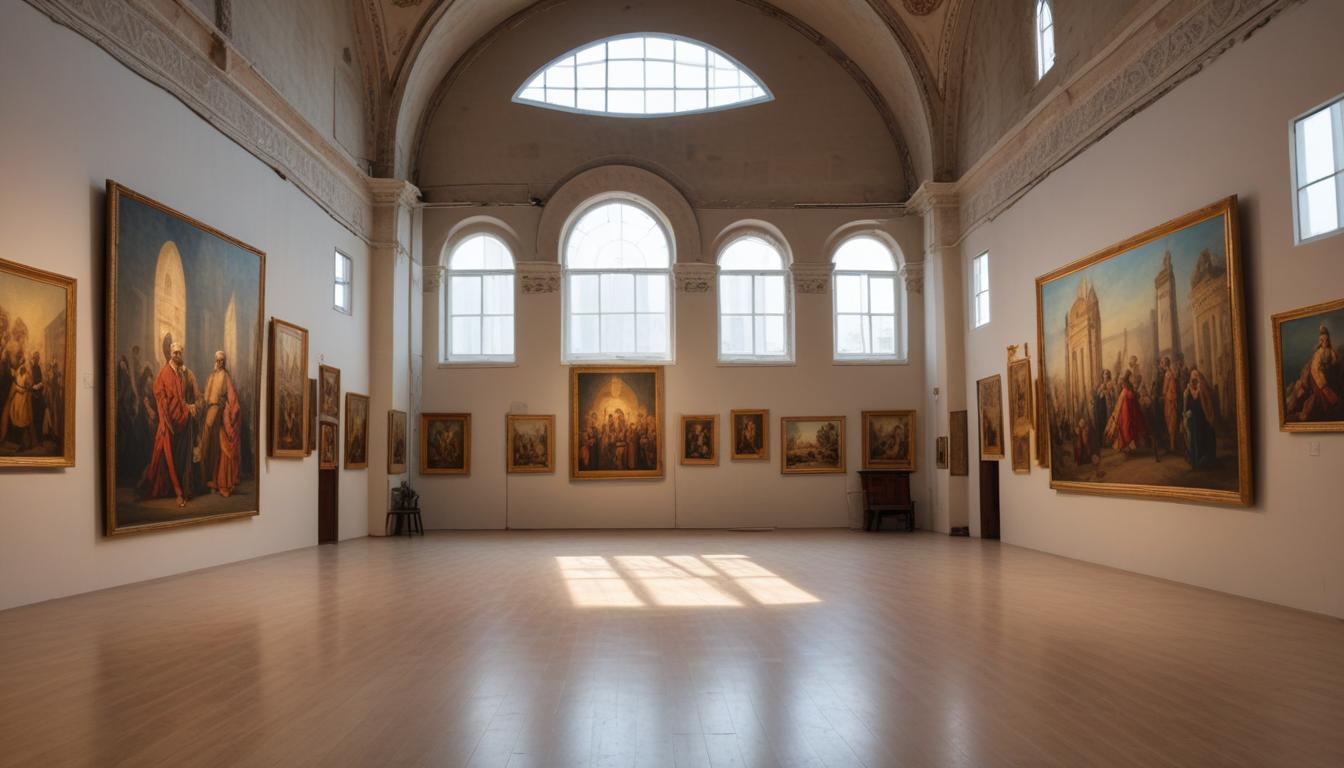
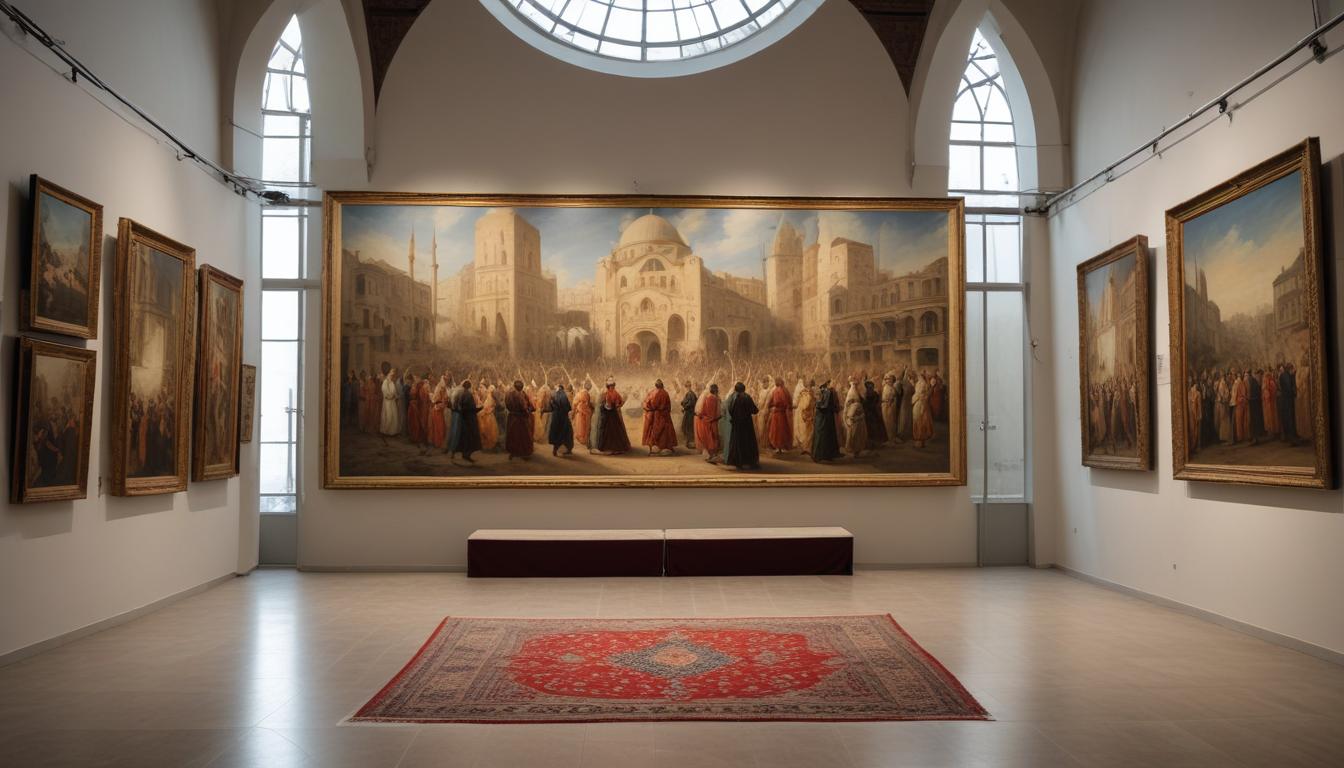
Walk through Beyoğlu on any evening and you'll encounter a city in creative flux. Between the café tables and street vendors, venues like Cihangir Sahne and the refurbished Emek Cinema pulse with an energy that feels distinctly contemporary—yet deeply rooted in Istanbul's cosmopolitan DNA. Over the past three years, the city's film and theatre scene has undergone a quiet revolution, becoming less a mirror of global trends and more a laboratory where local identity is actively forged.
The numbers tell part of the story. Independent film venues in Istanbul have grown by roughly 40% since 2023, with smaller, artist-run spaces proliferating in neighbourhoods like Galata, Karaköy, and Kadıköy's waterfront. Meanwhile, Turkish theatre productions—particularly experimental work addressing urban migration, environmental anxiety, and intergenerational tension—have found increasingly confident platforms. This isn't accidental. It reflects a deliberate shift away from imported cultural products toward work that interrogates what contemporary Istanbul actually feels like to live in.
Venues like Münir Nurettin Selçuk Concert Hall in Sultanahmet and the smaller, more provocative spaces dotting the backstreets of Galata have become crucial to this identity-making. Young Turkish filmmakers and theatre practitioners are using these stages not to imitate international models, but to process the city's particular contradictions: its position between continents, its rapid gentrification, its relationship to history, its complicated present. Productions addressing the Bosphorus as both ecological crisis and metaphorical border have resonated powerfully with audiences precisely because they're rooted in lived experience.
What's remarkable is the accessibility. Ticket prices at independent venues average 80-150 Turkish Lira—significantly lower than international productions—making performance culture less exclusive than it might appear. Film clubs in converted warehouses along the Golden Horn have introduced thousands to experimental cinema and documentary work that interrogates urban life with unflinching honesty.
The shift reflects something deeper: Istanbul's creative class is no longer primarily interested in becoming a copy of Berlin or New York. Instead, through theatre and film, the city is developing a vocabulary for understanding itself. When audiences pack intimate venues to watch productions about neighbourhood displacement or environmental degradation, they're not simply consuming culture—they're participating in the collective process of defining what this city means, who belongs here, and where it might be heading.
That's not peripheral to Istanbul's identity. In 2026, it's central to it.
This article was compiled by AI from the sources linked above and screened before publishing. See our editorial standards.