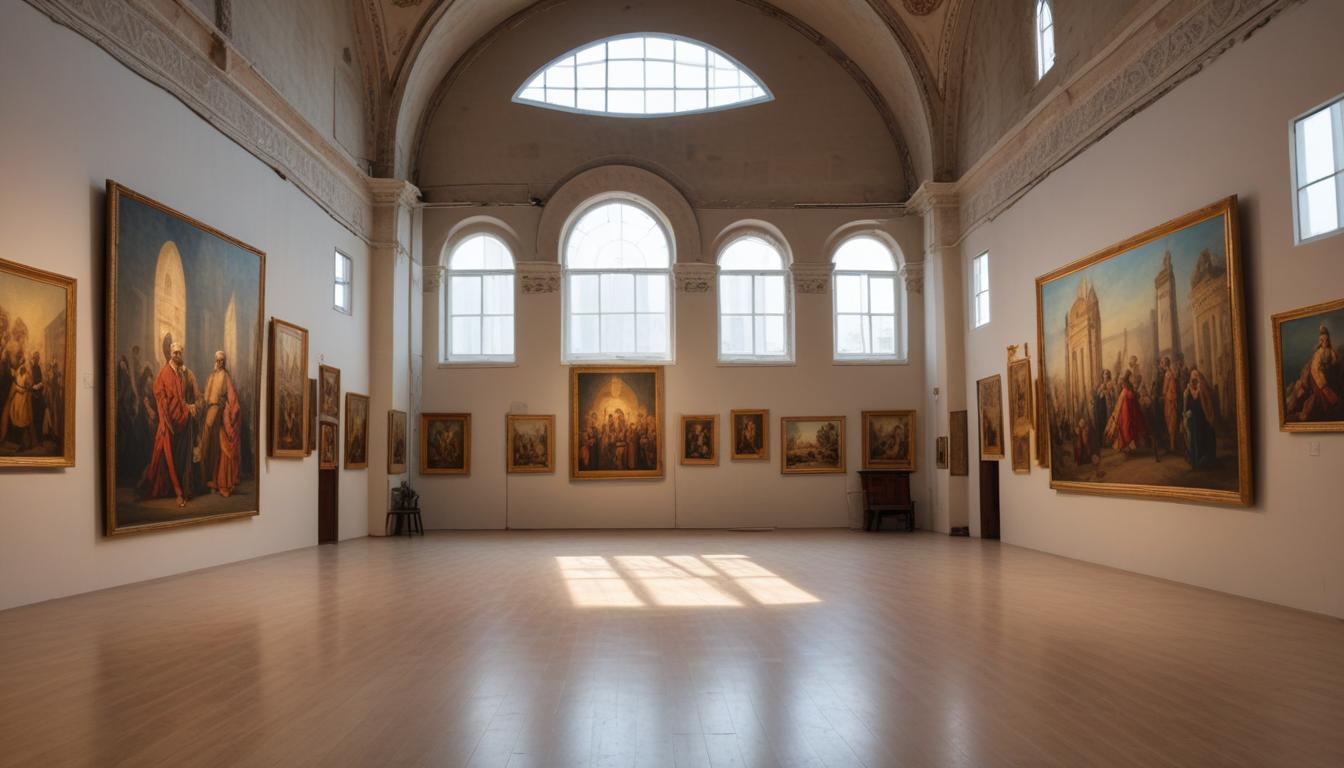
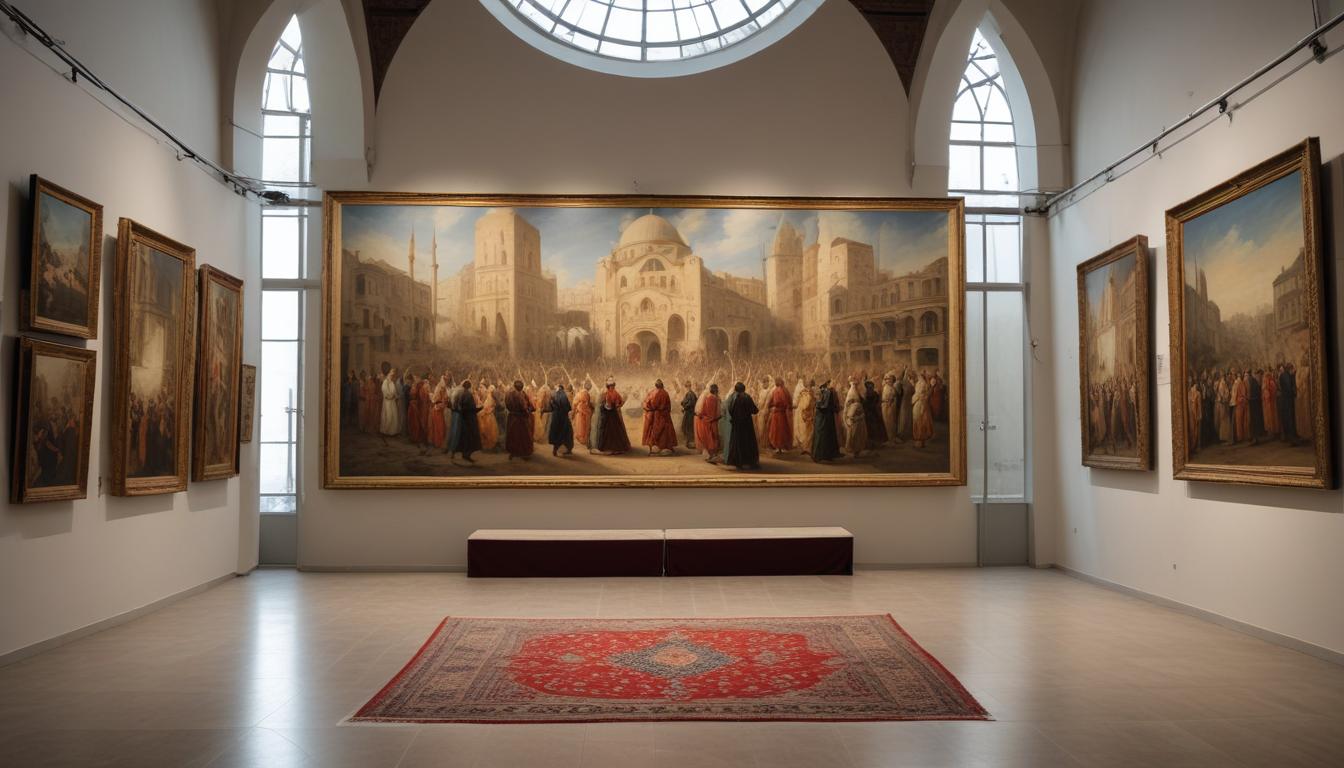
Walk through Beyoğlu on any Thursday evening and the shift is unmistakable. Where established galleries once dominated Istiklal Caddesi's upper reaches, a constellation of artist-run spaces now competes for attention. The emerging talent ecosystem in Istanbul has undergone a quiet reorganisation over the past eighteen months, driven less by institutional gatekeepers than by a generation determined to bypass them entirely.
The numbers tell part of the story. According to data from the Istanbul Contemporary Art Association, approximately 34 new independent gallery spaces opened across Beyoğlu, Galata, and Balat between 2024 and mid-2026—a 41 percent increase compared to the previous two-year period. Many occupy renovated Ottoman-era buildings, their modest footprints compensated by ambitious programming. Entry fees typically range from 50 to 150 Turkish lira, deliberately keeping work accessible to local audiences rather than chasing international art fair circuits.
Three neighbourhoods have emerged as particular hotspots. In Galata, former textile warehouses along Kemeraltı Caddesi have become ad-hoc exhibition spaces where artists collaborate directly with landlords on flexible rental arrangements. Balat's narrow lanes around Fener have attracted younger practitioners experimenting with digital media and participatory installation work. And in central Beyoğlu, the stretch between Taksim Square and the Galata Tower remains the institutional core, though even here the tone has shifted toward curatorial risk-taking.
What distinguishes this moment is the deliberate cross-pollination between Turkish artists trained abroad and returning to Istanbul, diaspora creators working between continents, and Istanbul-based practitioners engaging with hyperlocal material. Several emerging voices have already secured regional attention: painters working with abstraction rooted in Anatolian textile traditions, documentary photographers examining rapid urban transformation along the Golden Horn, and video artists exploring migration narratives across Balkan and Mediterranean contexts.
Museum programming has adapted accordingly. The Istanbul Modern, while still anchored by established names, has expanded its emerging artist residency programme, now hosting twelve artists annually—double the figure from 2023. The Pera Museum's curatorial approach has similarly shifted, with recent group exhibitions deliberately foregrounding voices under thirty-five.
Yet challenges persist. Funding remains precarious, with many galleries dependent on private patronage rather than institutional support. Rising rents in Beyoğlu threaten the economic model sustaining smaller venues. And the international art market's continued dominance means that critical attention, however enthusiastic locally, often requires external validation before gaining traction.
Still, the energy is palpable. For anyone tracking where contemporary art's next significant movements may originate, Istanbul's gallery scene has become essential viewing.
This article was compiled by AI from the sources linked above and screened before publishing. See our editorial standards.