Istanbul's reputation as a bridge between continents extends far deeper than geography. Walking through this city of 15 million is essentially moving through competing narratives of empire, religion, and identity—each neighbourhood a chapter in a story that refuses simple conclusions.
Most visitors arrive at the Sultanahmet district, where the Blue Mosque and Hagia Sophia dominate postcards. But real comprehension begins with understanding what these monuments represent: Hagia Sophia's 537-year reign as a Byzantine cathedral, its conversion to a mosque, its transformation into a museum, and its controversial return to mosque status in 2020. These shifts embody Istanbul's fundamental tension between preserving heritage and asserting contemporary identity.
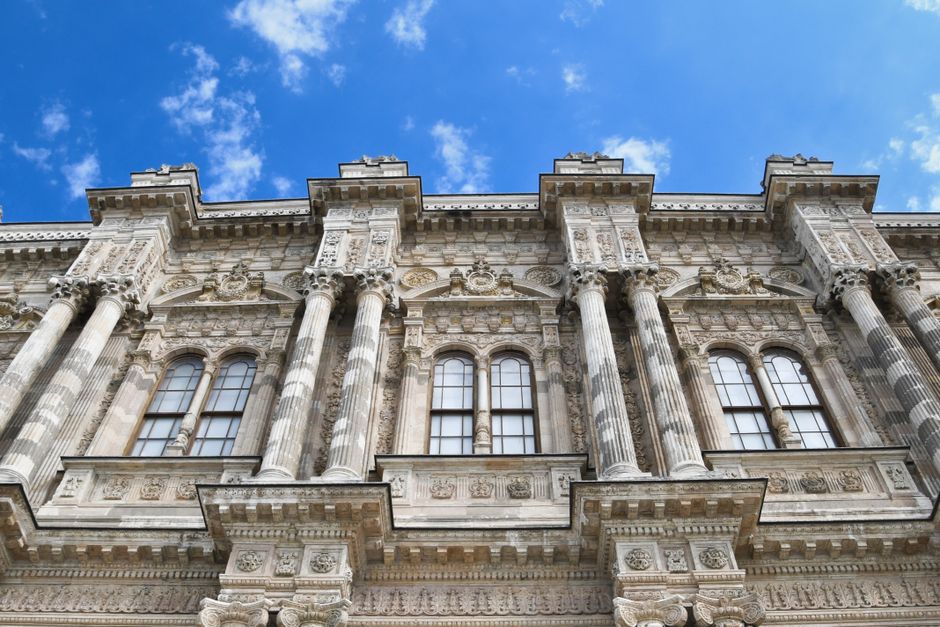
The essential visit extends beyond Sultan Ahmed Square. Head to the Topkapi Palace complex, where the intricate tilework in the Harem quarters demonstrates Ottoman aesthetic refinement. Then cross the Golden Horn into Balat, where crumbling Greek and Armenian architectural heritage sits adjacent to gentrifying cafés. This neighbourhood crystallises a difficult truth: Istanbul's cultural identity cannot be divorced from displacement and loss.
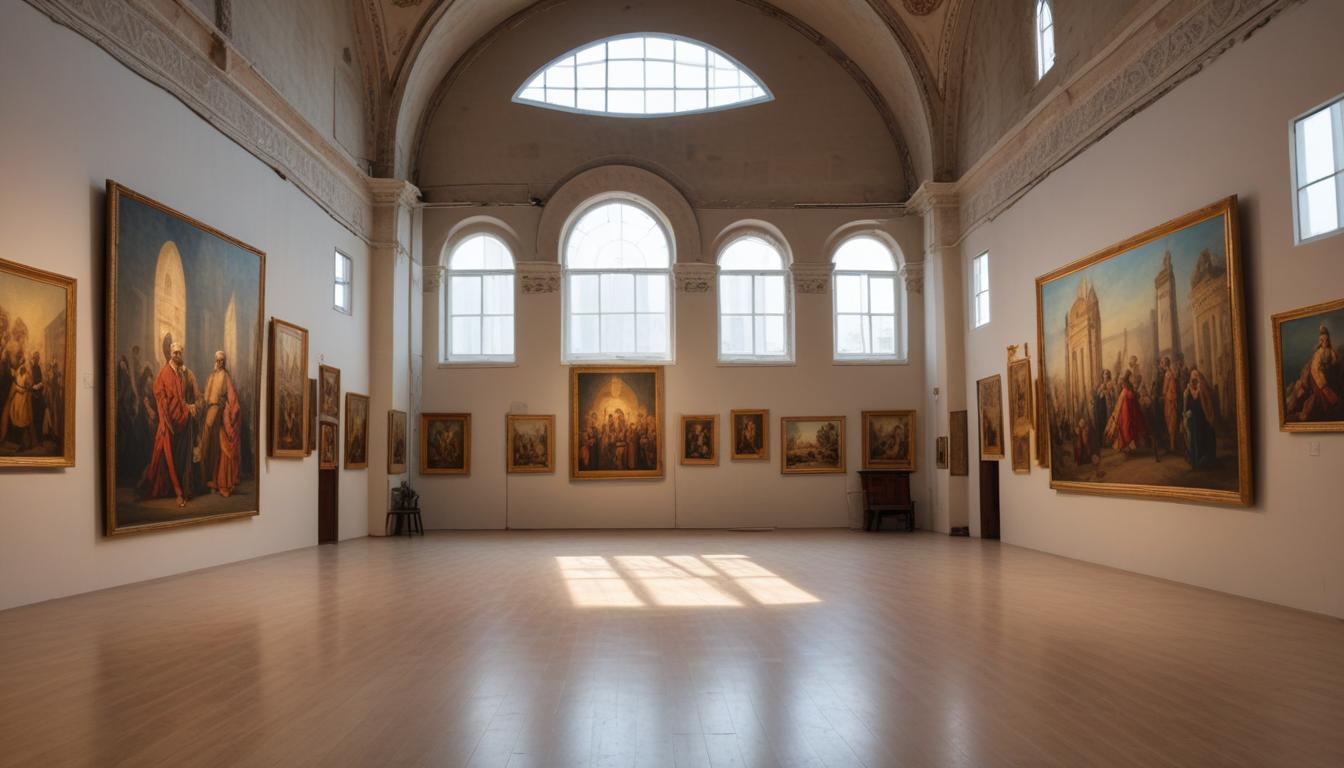
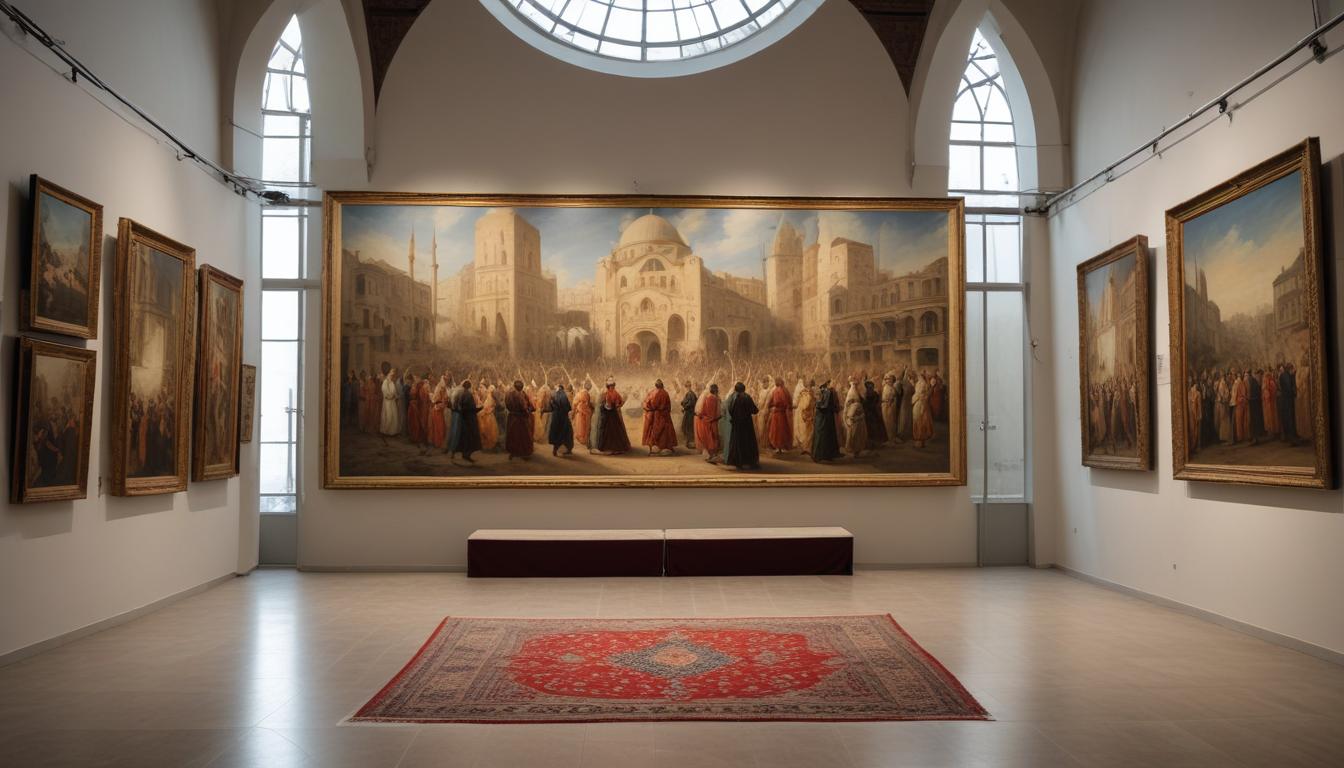
For serious visitors, the Museum of Turkish and Islamic Art on Ibrahim Pasha Square deserves hours, not minutes. Its collection of Quranic manuscripts and calligraphy reveals the intellectual sophistication underlying Ottoman culture. Entry costs 350 Turkish lira (roughly $11 USD).
Beyoğlu, across the Golden Horn, presents contemporary Istanbul. The street art along Istiklal Avenue and in side streets like Galip Dede Caddesi reflects the city's younger generation asserting their own cultural narrative—one increasingly secular, cosmopolitan, and questioning of official historical narratives.
The Galata Tower area offers something crucial: perspective. Climbing to the observation deck (25 lira) provides literal elevation to understand Istanbul's geography and metaphorical understanding of how neighbourhoods relate to one another.
Don't miss the Grand Bazaar's historical significance beyond commerce. Operating since the 15th century, it represents networks of trade that shaped empires. Similarly, the Spice Bazaar across the water tells stories of global supply chains centuries before globalisation became terminology.
Understanding Istanbul's cultural identity requires acknowledging what's often absent from heritage narratives: the thousands of Greek Istanbulites (Constantinopolitans) reduced to roughly 3,000 today, the Armenian community decimated in 1915, the Jewish neighbourhoods in Balat now largely disappeared. These absences are as culturally significant as what remains.
Istanbul rewards visitors willing to sit in these complexities. The city's layered identity—Byzantine, Ottoman, Turkish Republican, and increasingly global—isn't a seamless heritage experience. It's a challenging, sometimes contradictory cultural landscape where monuments coexist with competing claims to belonging.
This article was compiled by AI from the sources linked above and screened before publishing. See our editorial standards.