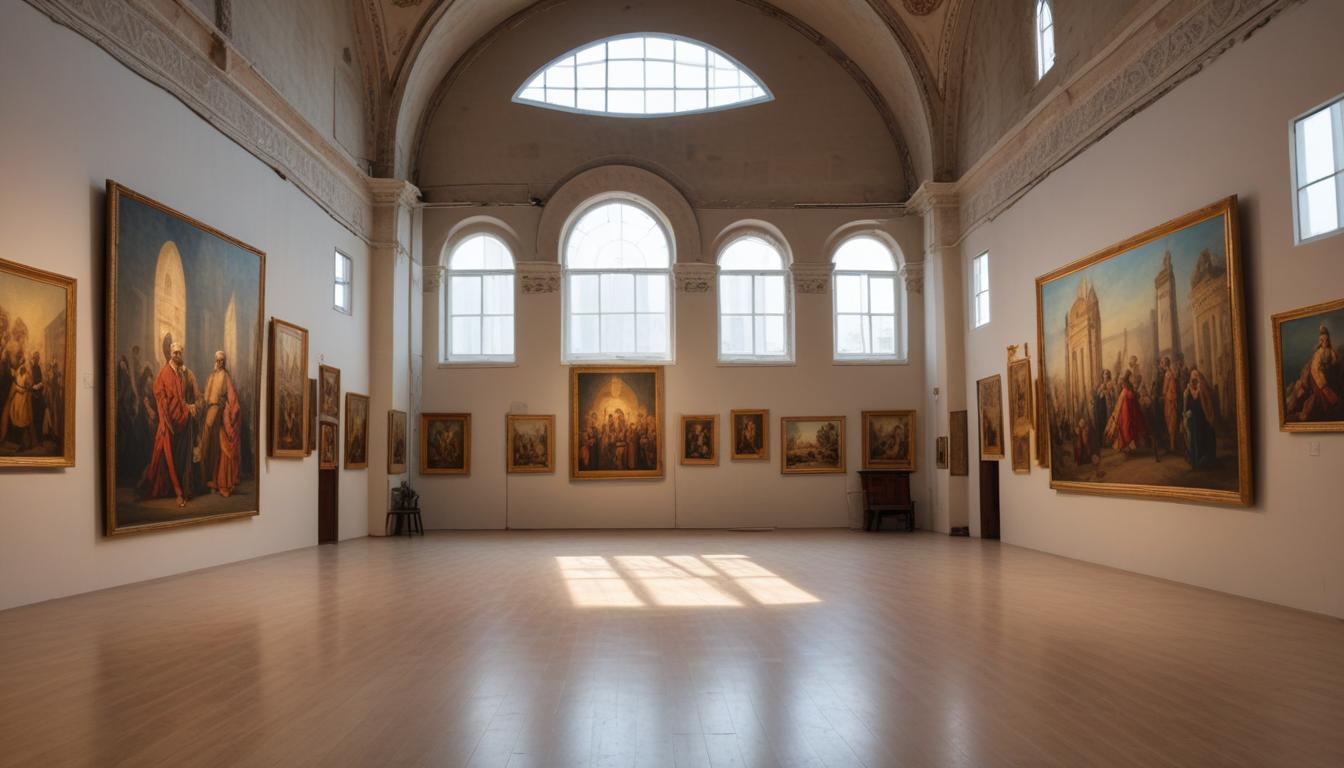
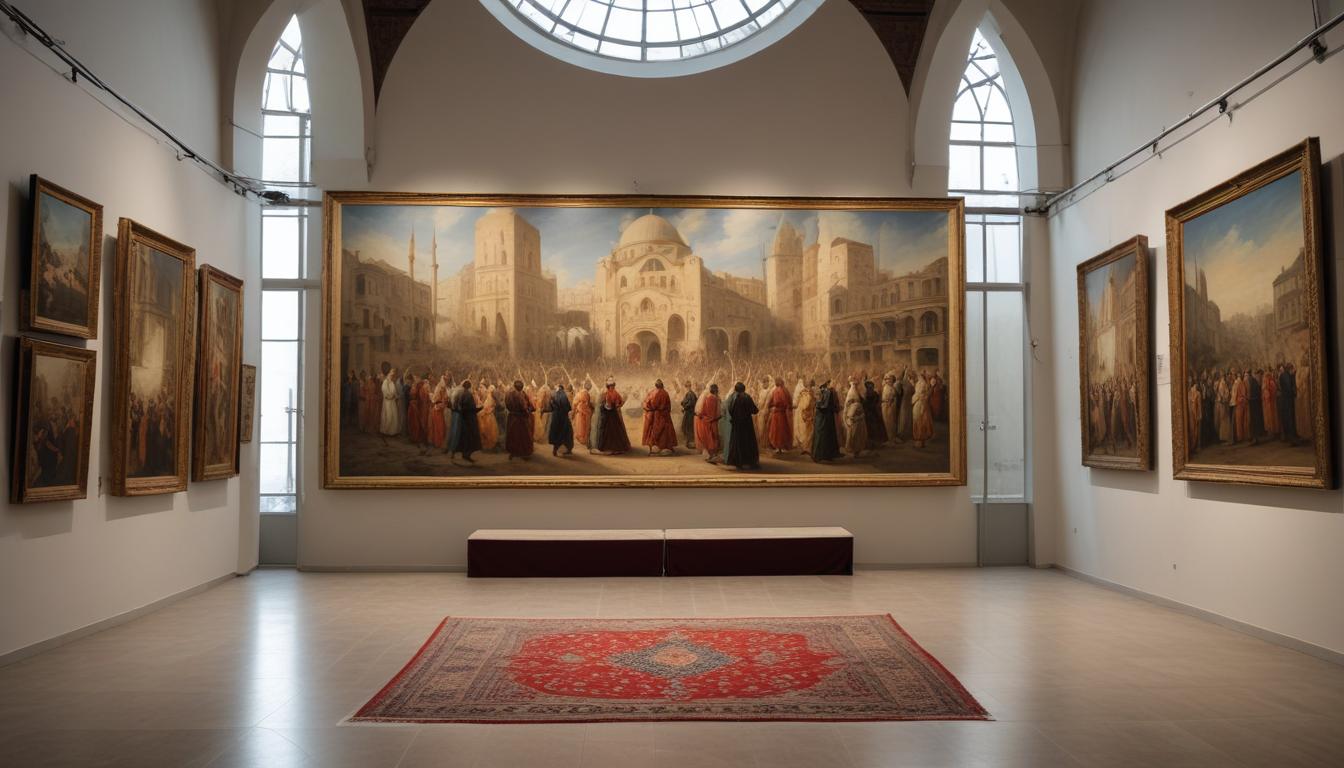
Walk through Beyoğlu on any Thursday night and you'll notice something shifting in Istanbul's live music landscape. The conversation at cafés on İstiklal Caddesi isn't just about which international acts are coming to Lütfi Kiraç Hall anymore—it's about the scrappy new collectives opening in converted warehouses, the basement jazz clubs multiplying in Karakoy, and the unexpected revival of Anatolian folk fusion nights drawing crowds that rival any stadium show.
The catalyst, locals say, is both economic and cultural. Rising venue costs have pushed entrepreneurs toward unconventional spaces. A 200-capacity room in a Galata side street now costs half what it did three years ago, while larger traditional venues like Salon İKSV continue facing pressure. This democratization has unleashed creativity. Over the past eighteen months, at least fifteen new independent venues have emerged across the European side, each carving its own identity.
"The energy feels different," says the underground music community on social media platforms where concert schedules circulate. Venues like those clustering around Tophane and spilling into Kasımpaşa are hosting everything from experimental electronic producers to traditional Mevlevi-inspired modern compositions. Weekend tickets typically range between 150-400 Turkish lira, undercutting the 800+ lira standard at established institutions.
Kadıköy's scene has equally transformed. The neighbourhood's Moda district, long overshadowed by Beyoğlu's dominance, now hosts regular showcases of indie rock and alternative Turkish acts. Local musicians report unprecedented booking opportunities, with promoters actively scouting venues rather than waiting for submissions.
The shift reflects broader changes in how Istanbullus consume culture. Streaming has fragmented attention, yet live performance—paradoxically—has become more valued as an intimate, irreplaceable experience. Younger audiences particularly favor smaller, artist-friendly spaces over commercialized concert halls. Environmental consciousness also plays a role; some venues market themselves as car-free accessible, appealing to Beyoğlu's increasingly eco-conscious demographic.
Yet challenges persist. Licensing regulations remain Byzantine, and noise complaints from residential areas threaten some promising new spaces. Security and accessibility issues, particularly around the Galata cluster, concern both operators and performers.
What's undeniable is momentum. Istanbul's live music conversation has shifted from "where are the big acts?" to "what's happening in that building in Tophane?"—a question that would have seemed niche just two years ago. For a city perpetually balancing tradition and innovation, this grassroots reshaping of its entertainment infrastructure feels authentically Istanbul.
This article was compiled by AI from the sources linked above and screened before publishing. See our editorial standards.