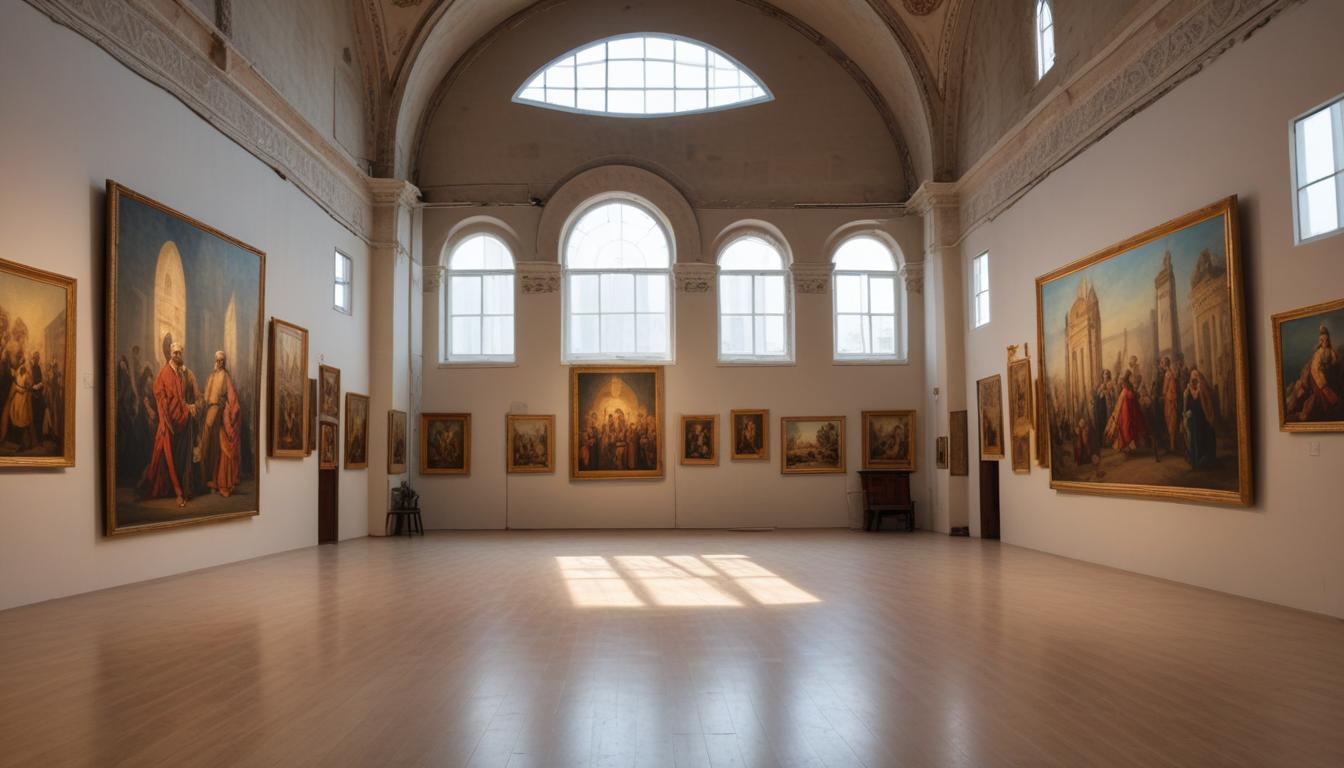
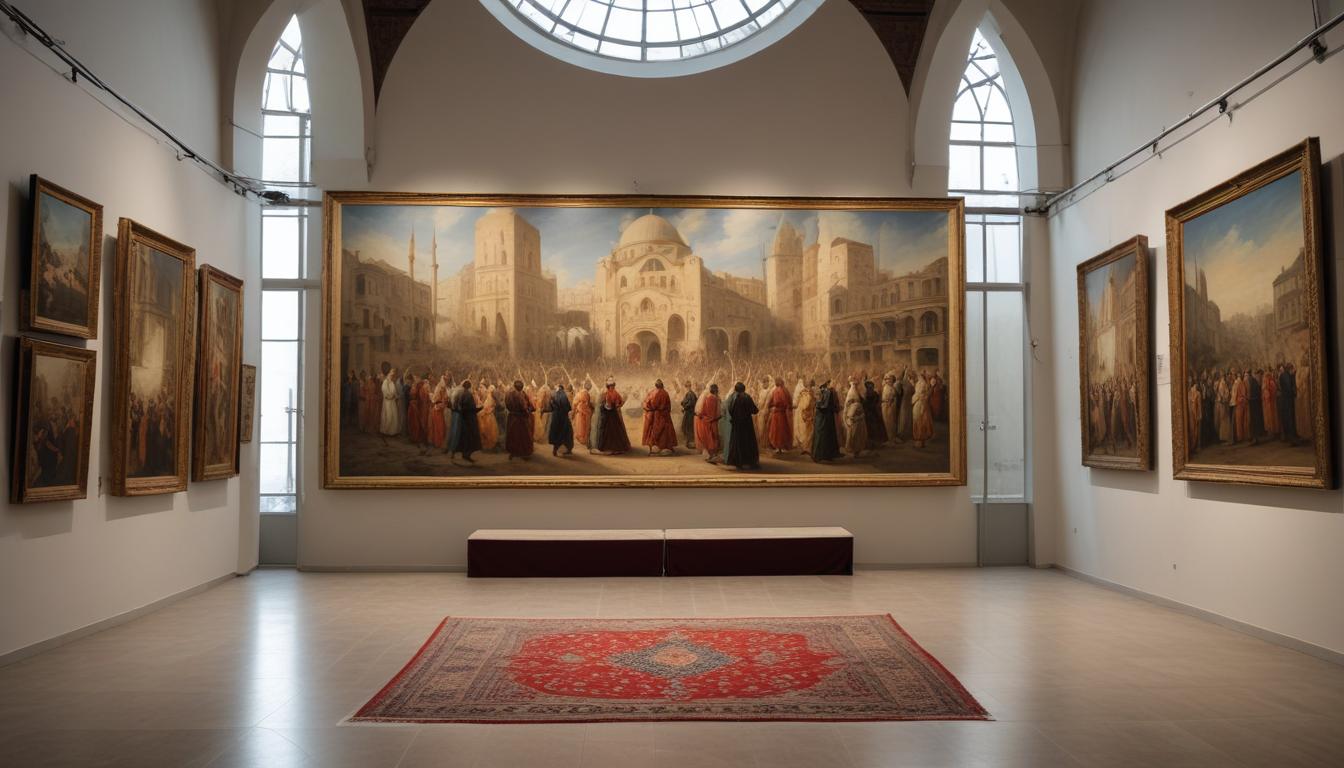
Walk through the narrow streets of Balat on any Friday evening and you'll encounter something that didn't exist a decade ago: a thriving independent gallery circuit driven not by institutional gatekeepers, but by artists themselves. What began as informal studio visits has evolved into a coordinated movement reshaping how Istanbul experiences contemporary art.
The shift reflects broader frustrations with Istanbul's established museum infrastructure. While institutions like the Istanbul Modern and Pera Museum remain significant, a growing cohort of younger curators and artists—many trained abroad, returning to reshape their city—have begun questioning the exclusivity and high entry costs of traditional venues. Gallery admission fees averaging 250-400 Turkish lira, combined with limited exhibition space for emerging voices, created an opening for alternatives.
Neighbourhood hubs in Balat, Beyoğlu's backstreets, and increasingly in Kasımpaşa have become the epicentre of this movement. Artist-run spaces like those clustering around Çukur Bostan Sokak operate on sliding-scale admission or donation models, hosting monthly exhibitions that prioritise accessibility over prestige. These spaces typically feature 3-5 simultaneous shows, with curators rotating every 6-8 weeks—a deliberate rejection of the permanent-director model.
The numbers tell a story of genuine growth. Last year, independent gallery spaces in these neighbourhoods increased by roughly 40% compared to 2024, according to informal surveys by the Istanbul Contemporary Art Network, a collective formed in 2023. Monthly foot traffic through Balat galleries alone has grown from an estimated 2,000 visitors in early 2024 to over 8,000 by mid-2026.
What distinguishes this movement is its emphasis on community participation over speculative investment. Many spaces double as workshops, hosting artist talks, printmaking classes, and panel discussions that cost 50-100 lira—making cultural engagement genuinely democratic. This contrasts sharply with the auction-house mentality that has long dominated Istanbul's wealthier art districts.
The shift hasn't gone unnoticed by institutions. Several established museums have begun partnering with independent spaces for joint programming, while major collectors increasingly scout emerging artist networks for new talent. Yet organisers insist commercialisation misses the point entirely.
As Istanbul continues rapid transformation, these grassroots networks represent something rare: cultural change driven from below, by people who simply wanted their city's art scene to reflect its actual diversity and complexity rather than serve an elite few.
This article was compiled by AI from the sources linked above and screened before publishing. See our editorial standards.