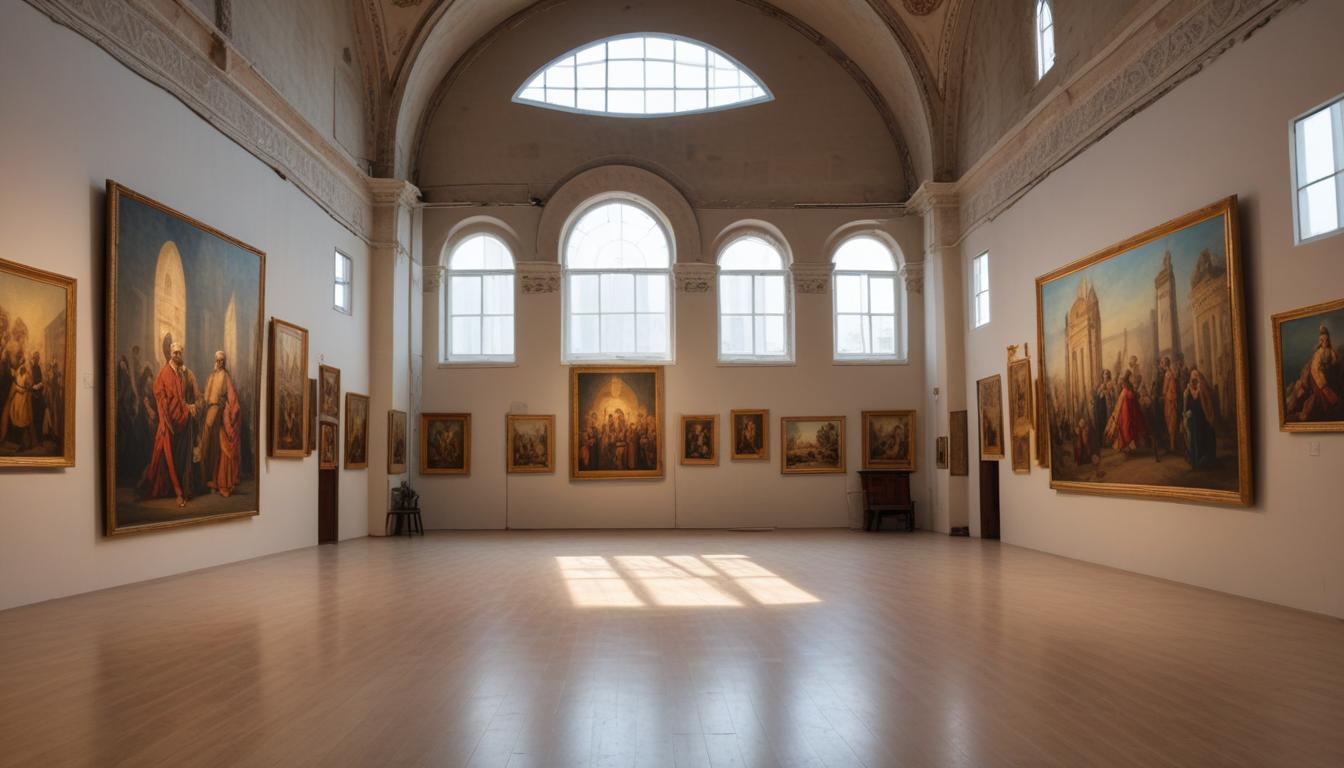
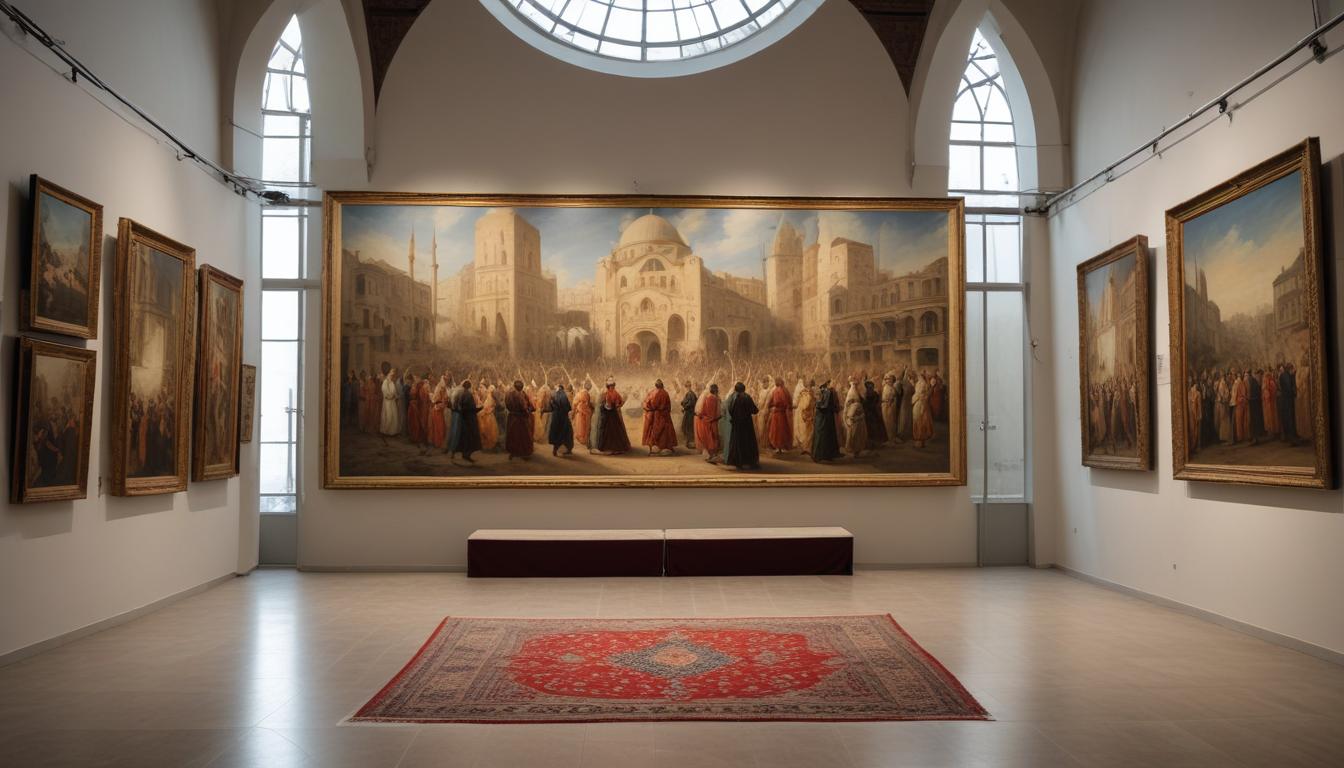
Walk down İstiklal Avenue on a Friday evening and you'll encounter something that wouldn't have seemed possible a decade ago: art is winning the argument about Istanbul's future. Not the monumental kind displayed in the Istanbul Modern or the Pera Museum, but the scrappy, ambitious work spilling from converted warehouses in Galata and shipping containers in Kasımpaşa. This democratization of gallery space is doing something far more profound than filling walls—it's fundamentally reshaping how the city understands itself.
The numbers tell part of the story. Since 2020, independent gallery openings in Istanbul have nearly doubled, with over 120 now operating across the city's central districts. Entry to many remains free or costs just 50 lira (roughly £1.50), making contemporary art accessible beyond the wealthy collectors who once gatekept cultural discourse. The Istanbul Art Fair, now in its nineteenth iteration, attracts galleries from across Europe and Asia, positioning the city as a genuine nexus rather than a peripheral outpost.
But statistics miss the texture of what's actually happening. In Beyoğlu's narrow alleys, galleries like those clustered around Boğazkesen Caddesi have become unofficial town halls where Turkish and Kurdish artists exhibit work exploring partition, displacement, and belonging—conversations the state long preferred to contain. Meanwhile, galleries in Galata's gentrifying waterfront quarters host exhibitions by Syrian, Afghan, and Iranian artists whose work would face censorship elsewhere in the region. This isn't accidental curation; it's a quiet assertion of intellectual freedom.
The institutional players—Istanbul Modern's relocation to Perili Köşk, the recently renovated Sakıp Sabancı Museum—are responding by abandoning defensive postures. Rather than competing on prestige, they're partnering with independent spaces, hosting artist talks, and making their collections more permeable to contemporary urgency. This collaborative ecosystem, relatively young and still fragile, suggests something worth protecting: the idea that a city's identity emerges from democratic conversation rather than top-down decree.
Of course, this moment is precarious. Rising rents in Beyoğlu threaten smaller galleries. Broader political pressures on artistic freedom persist. Yet the sheer proliferation of art spaces—across economic strata, artistic traditions, and geographic origins—indicates something the headlines often miss: Istanbul's cultural identity is being written right now, not in policy documents but in gallery openings, in conversations between strangers examining work that unsettles comfortable certainties. That's not decoration. That's infrastructure for thinking differently.
This article was compiled by AI from the sources linked above and screened before publishing. See our editorial standards.