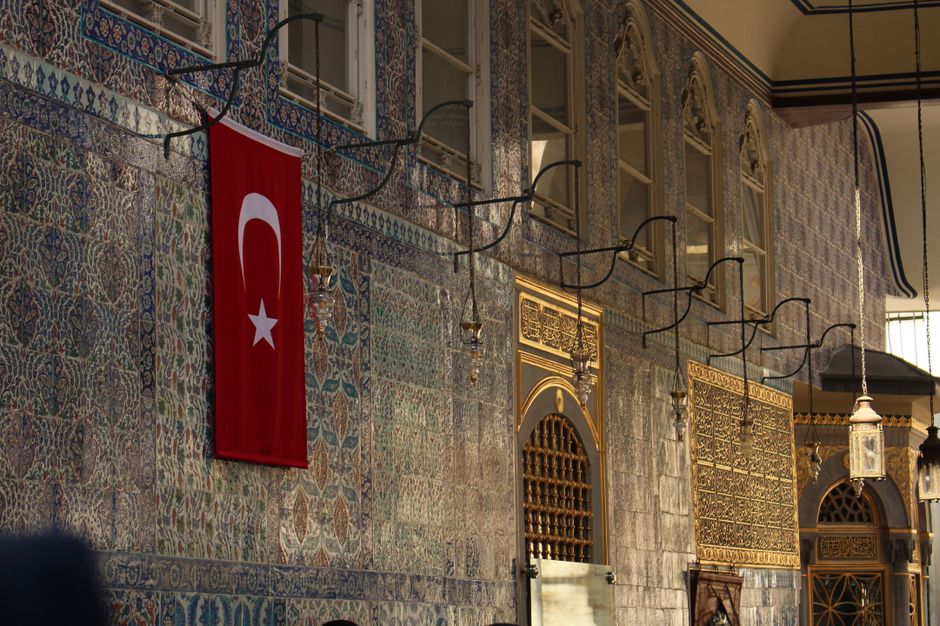
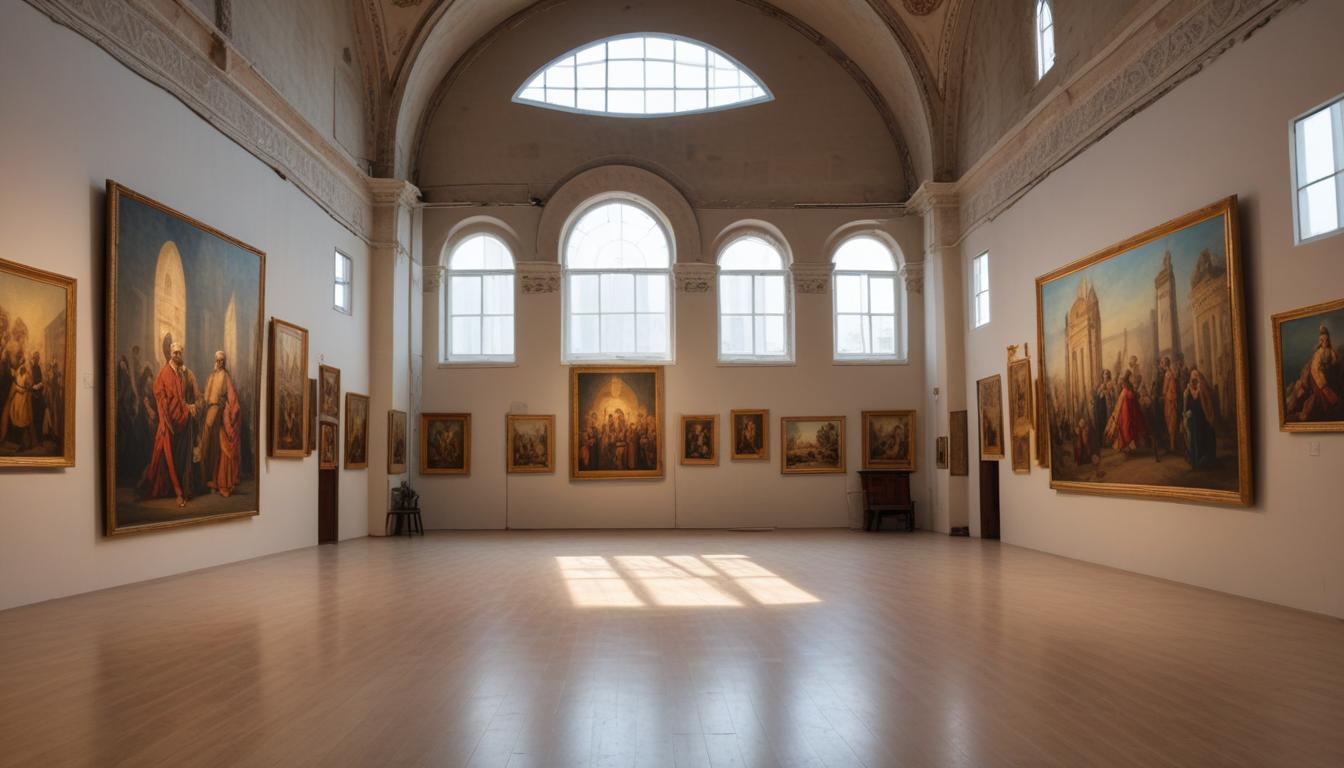
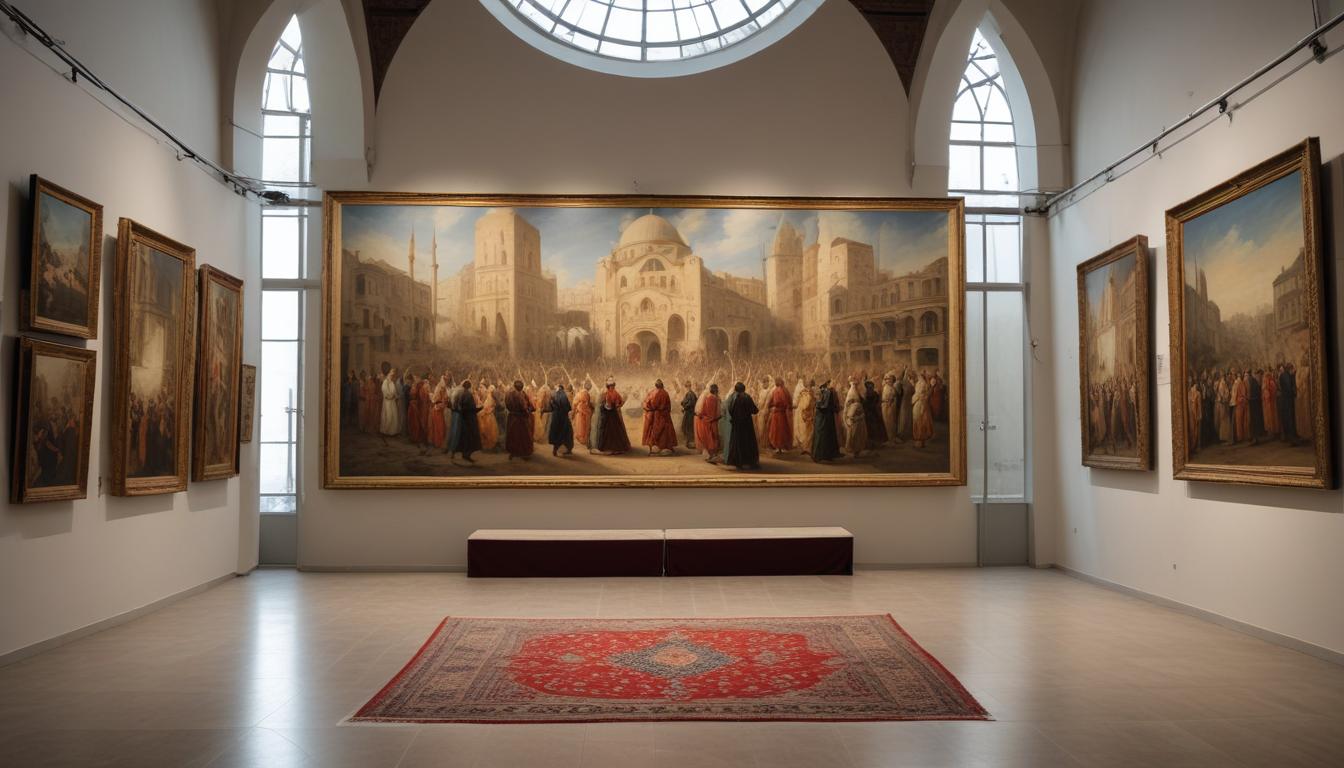
Walk through the narrow lanes of Balat on a Saturday morning, and you'll encounter a neighbourhood caught between centuries. The same cobblestone streets where Ottoman silk merchants once haggled over prices now host Instagram-ready cafés and independent galleries—a living testament to how Istanbul's cultural identity has continuously reinvented itself.
The story of Istanbul's contemporary cultural scene cannot be separated from its geography and history. For centuries, the neighbourhoods clustered around the Golden Horn—Balat, Fener, and Eyüp—served as creative centres where artisans belonged to guild-like structures called "esnafs". Calligraphers, painters, and textile workers operated within systems that preserved knowledge and maintained standards. This tradition of locality-based cultural production would echo through Istanbul's DNA for generations.
The real transformation accelerated after 2000. As real estate prices climbed in Beyoğlu—traditionally the hub of Western-oriented culture—younger artists and entrepreneurs migrated eastward to Balat and Fener. What had been working-class neighbourhoods with crumbling Greek and Jewish heritage buildings became canvases for cultural experimentation. Today, venues like Salon İKSV and smaller artist collectives operate within restored 19th-century structures, charging 150-300 lira for evening events that blend contemporary art with Ottoman architectural memory.
Simultaneously, Istanbul's art fair ecosystem exploded. The Istanbul Biennial, established in 1987, evolved from a relatively modest exhibition into a world-class event attracting curators and collectors from 40+ countries. Meanwhile, commercial galleries clustered in neighbourhoods like Karakoy and Galata, transforming industrial waterfronts into design districts where galleries, design studios, and experimental kitchens coexist.
This isn't merely aesthetic transformation—it's about competing narratives of identity. The 2010s saw intensifying debates about gentrification. How do you preserve Balat's working-class character while hosting a global art scene? How do you honour Ottoman heritage without fetishizing it? These tensions remain unresolved, reflected in the city's cultural programming.
Today's Istanbul hosts approximately 180 active contemporary art galleries, with the market valued at roughly $150 million annually according to local arts council estimates. Yet the scene remains deeply rooted in place—in specific neighbourhoods, in Ottoman architectural legacies, in the memory of artisan traditions.
This duality defines contemporary Istanbul culture: simultaneously global and hyperlocal, simultaneously celebratory of Ottoman heritage and urgently contemporary. The evolution hasn't ended; it continues daily in the restored hans of Balat and the cutting-edge galleries of Beyoğlu, where history and innovation remain inseparable.
This article was compiled by AI from the sources linked above and screened before publishing. See our editorial standards.