The Underground Collective Reshaping Istanbul's Performing Arts Scene
A grassroots movement across Beyoğlu and Balat is democratizing theatre and cinema, pulling audiences away from commercial multiplexes and into intimate neighbourhood spaces.
A grassroots movement across Beyoğlu and Balat is democratizing theatre and cinema, pulling audiences away from commercial multiplexes and into intimate neighbourhood spaces.
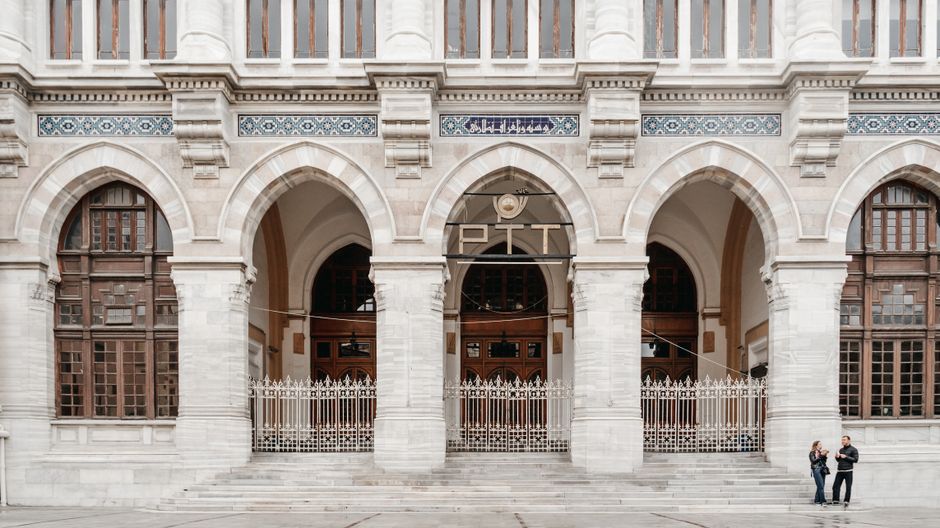
Walk through the narrow streets of Balat on a Friday evening and you'll notice something shifting in Istanbul's cultural landscape. Small galleries have transformed into makeshift theatres. Community centres are hosting experimental film screenings. Independent artists are reclaiming spaces abandoned during the city's rapid gentrification, turning them into platforms for work that commercial venues won't touch.
This grassroots renaissance isn't happening by accident. Over the past eighteen months, a loose network of artists, curators, and community organisers has built what locals now call the "neighbourhood circuit"—a deliberate countermovement to Istanbul's consolidation of cultural venues in glitzy shopping malls and corporate-sponsored hubs. According to recent surveys by the Istanbul Cultural Research Institute, attendance at independent performance spaces in historic neighbourhoods has grown by 34 percent since early 2025, while multiplex theatre-going has declined by 8 percent.
The momentum is centred in three key areas. Beyoğlu's Istiklal Avenue remains the traditional theatre spine, but it's the backstreets—Çiçek Pasajı, Nevizade, and the quieter lanes toward Tünel—where smaller venues like Garanti Garaj and independent collectives have created a laboratory atmosphere. Across the Golden Horn, Balat's cobblestone streets now host monthly performance festivals in converted warehouses and heritage buildings. Kasımpaşa, historically overlooked, has emerged as an unexpected hub with several artist-led initiatives launching theatre workshops and film screenings at modest 60-80 lira entry prices.
What distinguishes this movement is its explicit community focus. These aren't vanity projects for wealthy patrons. Organisers deliberately price tickets below market rates—many shows cost between 40-100 lira compared to 150-200 lira at central venues—and programme work by emerging Turkish and Kurdish artists alongside international collaborators. Several collectives have established mentorship schemes connecting neighbourhood residents with professional performers.
"People want culture that speaks to their lives, not corporate entertainment," explains one prominent organiser who requested anonymity due to ongoing discussions about formalising the network's structure. "We're not against professional institutions. We're asking: who decides what gets performed, and who can afford to attend?"
By mid-2026, at least fifteen independent performance spaces operate regularly across these neighbourhoods, most run entirely by volunteers. While the movement remains informal—no central registry exists—its energy is undeniable. What began as scattered initiatives has crystallized into something resembling a genuine cultural movement, one that's forcing established institutions to reconsider their relevance in a city where grassroots creativity now commands serious attention.
This article was compiled by AI from the sources linked above and screened before publishing. See our editorial standards.
How does this story make you feel?
Spread the word
About this article
Published by The Daily Istanbul
Daily brief
Free, in your inbox before 7am. Weekdays.
More in culture