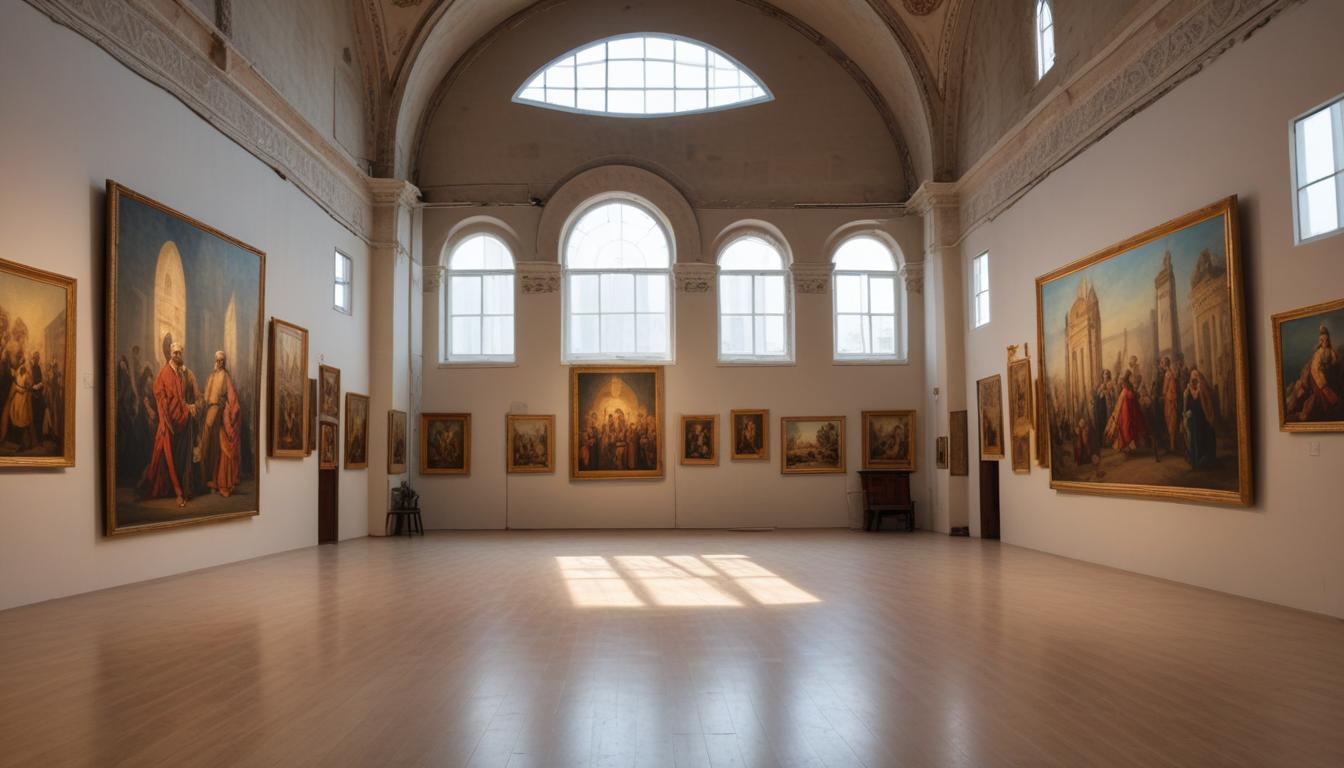
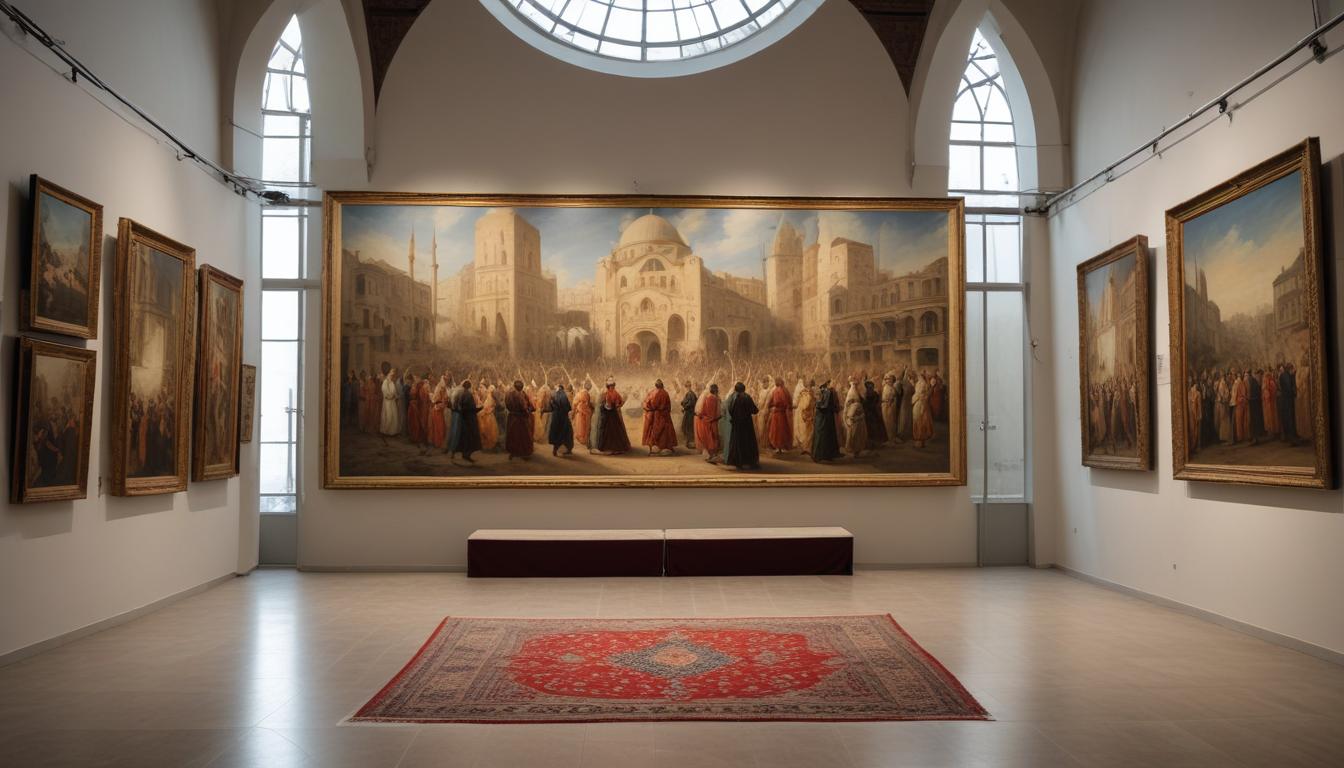
Walk through Balat on any Friday evening this July, and you'll encounter something unexpected: a curated pop-up gallery in a restored Greek schoolhouse, live oud performances under the plane trees, and teenagers sketching murals that will vanish by autumn. This isn't the work of Istanbul's major institutions or municipal bodies. It's the vision of the Beyoğlu Culture Collective, a five-person team that has fundamentally reshaped how the city thinks about summer programming.
The story begins eighteen months ago, when Emre Kaya—a former investment banker at a Levent-based firm—attended a community meeting in Kasımpaşa about urban displacement. Sitting beside him was Zeynep Arslan, a street artist known for her geometric murals in Cihangir. "I'd spent years moving money around," Kaya reflects in a conversation documented by local media. "Zeynep was literally reshaping neighbourhoods with nothing but spray paint and community trust. It made me reconsider everything." Within weeks, they'd assembled a collective including a sound engineer from Karakoy, a heritage consultant from Balat, and a university lecturer specialising in informal economies.
Their first initiative, the Waterfront Dialogues series last summer, attracted just 200 people. But it planted seeds. This year, the Collective's expanded calendar—now titled the "Neighbourhoods Live" programme—is coordinating events across twelve distinct zones from Ortaköy to Fatih, with participation from over 1,200 local artists and 45 community organisations. The budget? A modest €180,000, crowdfunded and supplemented by small grants, compared to the €2.3 million the Istanbul Metropolitan Municipality allocated to central festival programming.
What distinguishes their approach is structural. Rather than booking headline acts at major venues like Cemal Reşit Rey Concert Hall, they've created hyperlocal economies. A street food festival in Fener isn't about tourism revenue—it's about regularising informal vendors' permits and formalising micro-business networks. A three-month residency programme in Balat houses eight emerging artists rent-free, with the expectation they'll teach local teenagers their craft.
"The city already has festivals," says the collective's heritage consultant in a recent interview with a cultural radio station. "We wanted to ask: what happens when communities decide what their own summers should look like?"
The results suggest something is shifting. Attendance projections for July-September events exceed 40,000. More tellingly, seven neighbourhoods have already requested to continue programming into 2027, with community committees forming independently. In a city constantly negotiating between global ambition and local identity, this quiet reimagining—orchestrated by a former banker and a street artist—may prove more influential than any marquee announcement.
This article was compiled by AI from the sources linked above and screened before publishing. See our editorial standards.