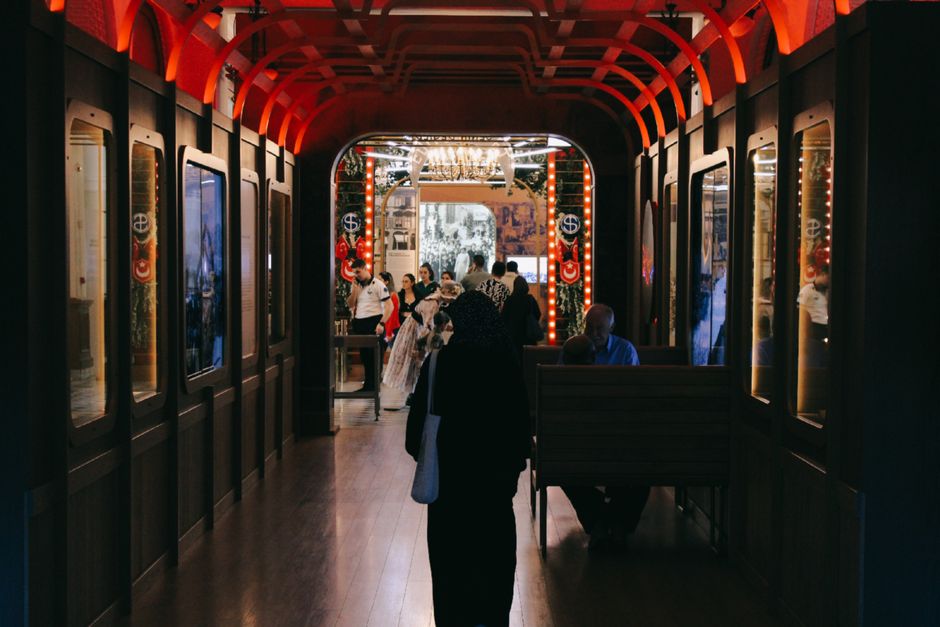
Walk through Beyoğlu on any Friday night and you'll hear the unmistakable hum of live music spilling from converted warehouses, intimate clubs, and purpose-built venues. But this ecosystem didn't emerge overnight. Behind Istanbul's current status as a regional music hub lies a two-decade odyssey of cultural entrepreneurs who bet on a vision when the infrastructure barely existed.
The foundation was laid in the early 2000s when a handful of independent promoters began hosting underground concerts in unlikely spaces—basements on İstiklal Caddesi, rooftop terraces in Galata, abandoned factory floors in Beyoğlu. These weren't polished operations. Venue owners worked without formal music licensing frameworks. Artists performed for door splits rather than guarantees. Yet something vital was being built.
"The turning point came around 2010," explains the ecosystem of venue operators and promoters who collectively shaped the scene. By then, dedicated spaces like Salon İKSV, Mikla, and Babylon had established themselves as anchors, each carving out distinct identities. Salon İKSV focused on jazz and world music; Babylon became synonymous with electronic and indie acts; Mikla positioned itself as a rooftop cultural institution overlooking the Golden Horn. These venues weren't just commercial enterprises—they were cultural infrastructure investments by individuals who believed Istanbul could rival European capitals.
The numbers tell part of the story. Today, greater Istanbul hosts approximately 60 operational live music venues with regular programming, generating an estimated 450 million Turkish lira annually in ticket sales alone. The average concert ticket price has risen from roughly 50 lira in 2008 to 200-400 lira today, reflecting both inflation and the market's maturation.
What's remarkable is how grassroots networks influenced this growth. Independent collectives—groups of young curators operating through social media—began programming their own events, introducing electronic music, hip-hop, and experimental genres that larger venues initially avoided. This creative fermentation attracted international attention. By 2015, Istanbul was regularly featured in "emerging music destination" lists.
Today's scene balances commercial viability with artistic integrity in ways its founders never anticipated. The expansion of Taksim Square's pedestrian zones and improved public transport connectivity to Beyoğlu have made venues more accessible. Streaming platforms have paradoxically strengthened live music's appeal, with audiences seeking authentic, in-person experiences.
The visionaries who created this landscape were rarely motivated by profit alone. They were musicians, gallery owners, restaurateurs, and architects who recognized that vibrant cities require spaces where creativity can be heard, seen, and felt. Their legacy isn't merely economic—it's cultural transformation through persistent, patient investment in community.
This article was compiled by AI from the sources linked above and screened before publishing. See our editorial standards.