How Istanbul's layered past is reshaping its creative future
As the city reclaims overlooked heritage sites, a new generation of artists and entrepreneurs are building a distinctly Istanbul-rooted cultural identity.
As the city reclaims overlooked heritage sites, a new generation of artists and entrepreneurs are building a distinctly Istanbul-rooted cultural identity.
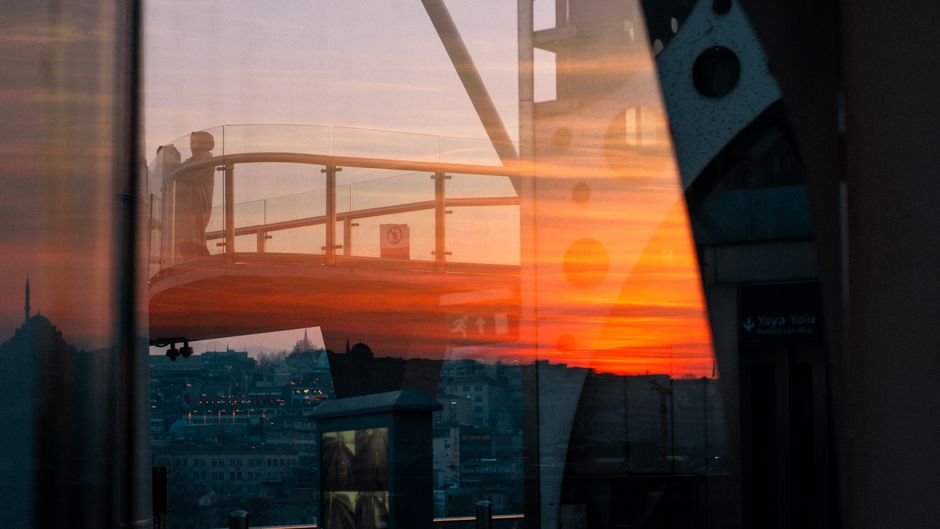
Walk through Balat on any weekend and you'll witness the collision of Istanbul's creative present with its Ottoman past. The neighbourhood's narrow lanes, where pastel-coloured Greek and Armenian townhouses cluster beneath the Pierre Loti silhouette, have become a laboratory for cultural expression. But this renaissance isn't accidental—it's rooted in a deliberate rediscovery of local identity that's transforming how the city imagines itself.
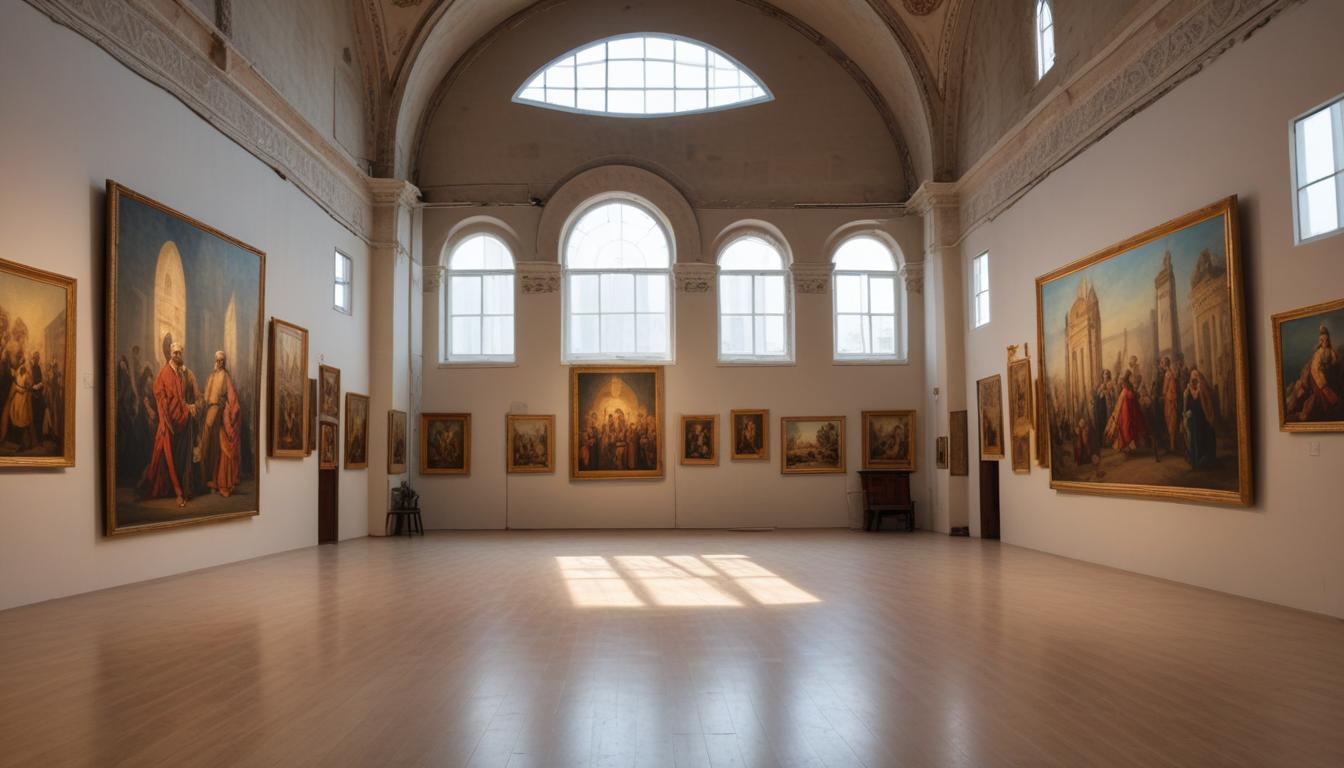
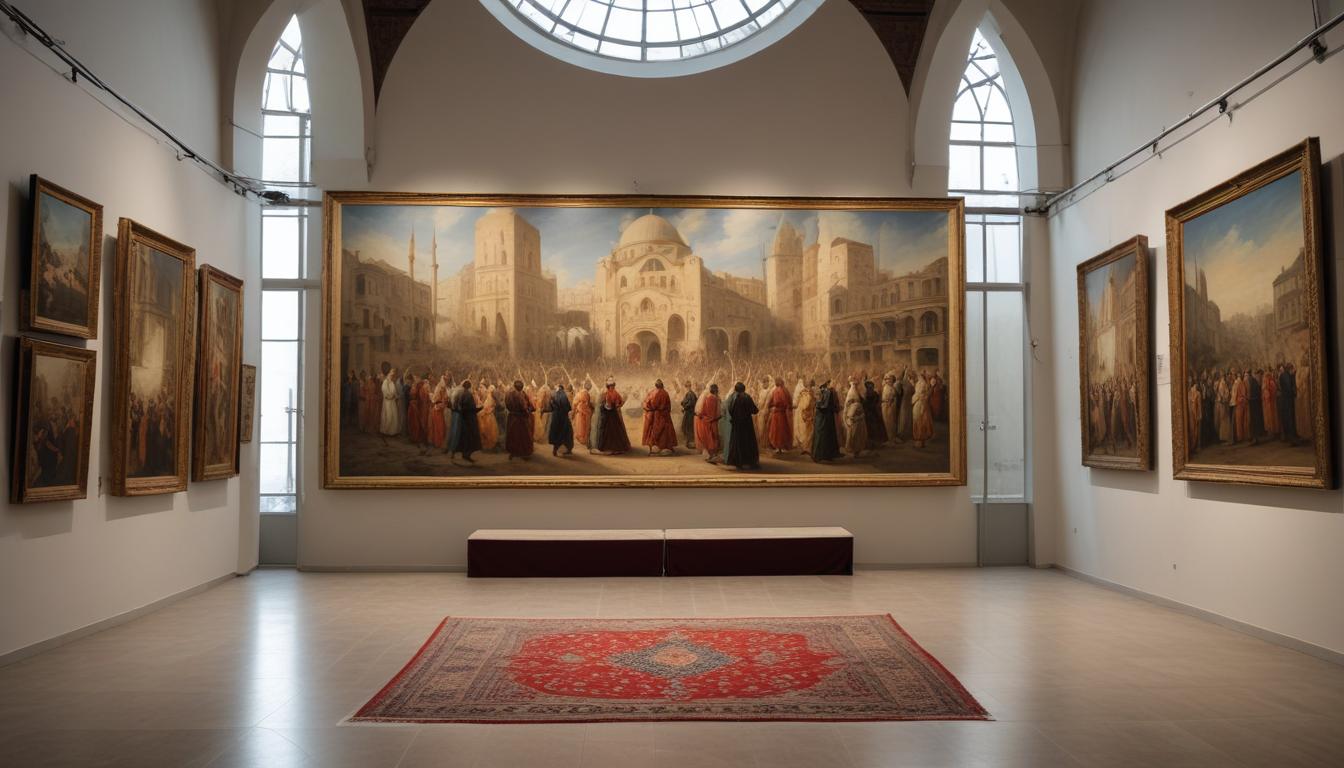
The shift accelerated after the 2023 earthquakes, which prompted painful reckoning with heritage loss across Turkey. In Istanbul, the aftermath sparked renewed investment in architectural preservation and cultural documentation. The Pera Museum's 2025 exhibition on Ottoman street life drew 287,000 visitors, a 34 percent increase over the previous year, suggesting deepening appetite for understanding the city's layered identity.
Galata and Beyoğlu have become epicentres of this movement. Independent galleries like Rodeo and artist collectives operating from converted warehouses along İstiklal Caddesi increasingly draw inspiration from the districts' multicultural history—the Greek, Jewish, Armenian and Turkish communities that coexisted here. Young curators are deliberately programming exhibitions that excavate these narratives, treating heritage not as museum artefact but as living creative fuel.
What's striking is how this extends beyond visual arts. The Istanbul Music Festival's 2026 programme devoted significant space to Ottoman classical music and Anatolia's folk traditions, performed by contemporary musicians recontextualising these forms for modern audiences. Meanwhile, independent publishers clustered around Cihangir are producing lavish Turkish-language and multilingual editions documenting neighbourhood histories—intimate, hyperlocal projects that privilege grassroots narrative over institutional authority.
Economic realities matter too. As international creative workers increasingly settle in Istanbul, property costs in central neighbourhoods have surged—Beyoğlu rents rose 28 percent year-on-year through 2025. This displacement paradoxically incentivises artists to dig deeper into local identity as a point of differentiation. When you can't outbid chains, you build community through cultural specificity.
The real test lies ahead. Can this heritage-forward creativity remain rooted and authentic as the city continues transforming? Or will it calcify into commodified nostalgia? For now, in the interstices between Balat's renovated facades and Galata's perpetual construction, something genuine seems to be emerging—a creative identity insisting that understanding where Istanbul comes from is essential to imagining where it goes.
This article was compiled by AI from the sources linked above and screened before publishing. See our editorial standards.
How does this story make you feel?
Spread the word
About this article
Published by The Daily Istanbul
Daily brief
Free, in your inbox before 7am. Weekdays.
More in culture