Walk through Beyoğlu on any given evening and you'll encounter a city in conversation with itself. The historic Süreyya Opera House, recently completed its architectural restoration, now hosts not only classical ballet but experimental theatre productions that push against traditional narratives. Meanwhile, across the Golden Horn in Galata, smaller venues like Garajistanbul continue hosting underground film screenings and performance art that challenge Istanbul's relationship with its own identity.
The numbers tell a compelling story. According to the Istanbul Foundation for Culture and Arts, attendance at theatre performances across the city grew 34 percent between 2023 and 2025, while independent cinema attendance jumped 41 percent—figures that suggest performing arts are no longer peripheral to how Istanbulites understand themselves. These aren't merely entertainment metrics; they're indicators of where the city's creative energy is concentrated.
What makes this moment distinctive is the geographic decentralization. While Taksim and Beyoğlu remain cultural anchors, venues in Balat, Fener, and along the Anatolian side—the Zorlu Performing Arts Center in Besiktaş being a prime example—are democratizing access and creating new narratives that reflect Istanbul's complex geography and demographics. Film festivals like the International Istanbul Film Festival, now in its 45th iteration, have become platforms where Turkish and international filmmakers explore displacement, belonging, and urban transformation—themes that resonate acutely in a city perpetually negotiating its position between continents.
Theatre particularly has become a form of cultural self-examination. Productions in smaller independent spaces tackle issues ranging from gentrification in historic neighborhoods to women's autonomy and generational divides—conversations that might feel too urgent or unsettling for mainstream platforms elsewhere, but find expression here with notable directness. Ticket prices remain accessible, typically ranging from 80 to 250 Turkish lire, ensuring these conversations aren't confined to Istanbul's wealthy districts.
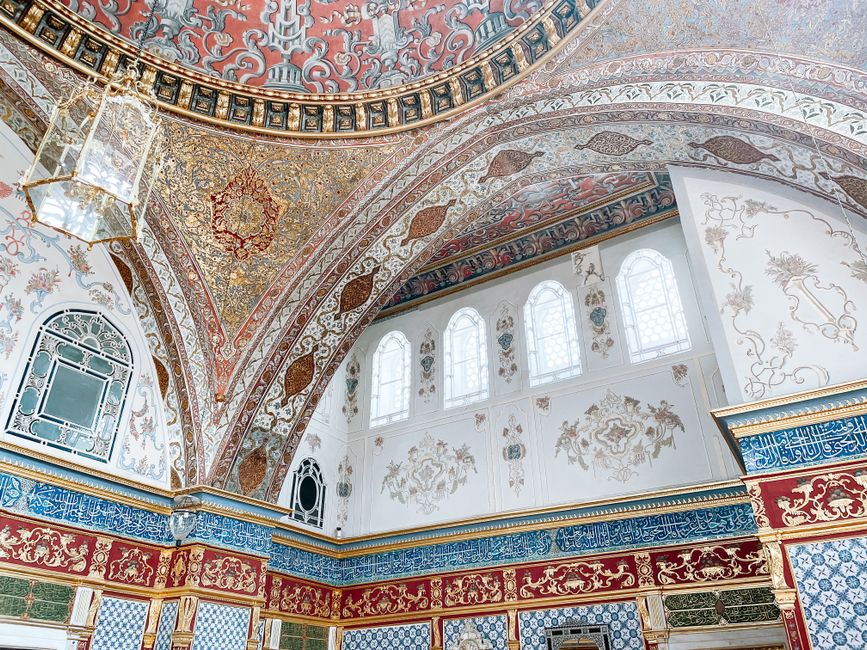
The significance extends beyond content. The physical restoration and repurposing of century-old buildings as performance venues—converting Ottoman warehouses and Armenian churches into theatres—has become an act of cultural reclamation. These spaces literally embody Istanbul's layered history while serving as stages for contemporary voices.
As global attention focuses on Istanbul's geopolitical complexities, its performing arts sector quietly insists on the city's right to interiority—to explore its own contradictions without external interpretation. In that commitment lies perhaps the truest measure of Istanbul's evolving identity: a city that performs not for outsiders, but for itself.
This article was compiled by AI from the sources linked above and screened before publishing. See our editorial standards.