From Basement Dreams to Bosphorus Stages: The Visionaries Who Built Istanbul's Live Music Scene
A generation of culture workers transformed a fragmented city into a thriving concert hub—and they're still fighting to keep it alive.
A generation of culture workers transformed a fragmented city into a thriving concert hub—and they're still fighting to keep it alive.
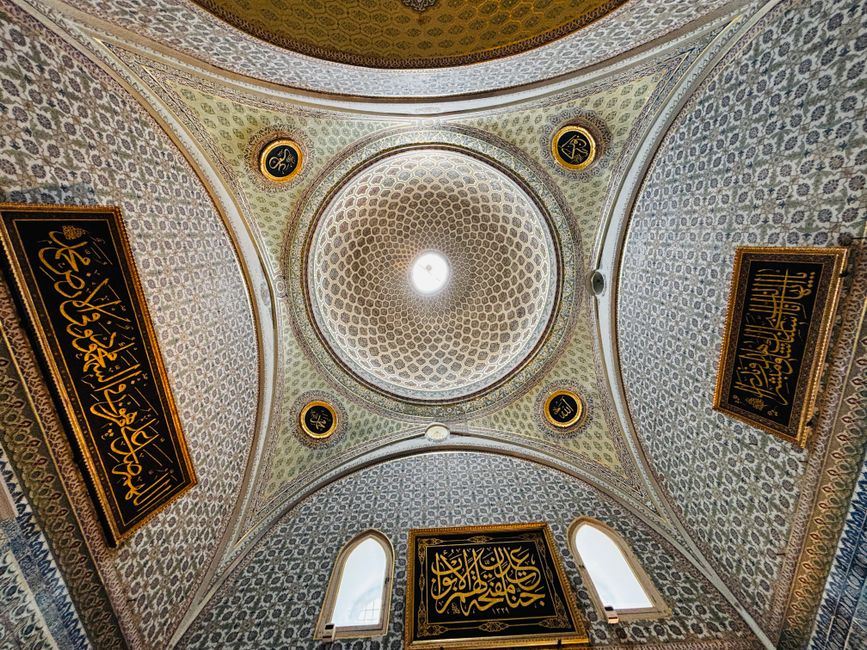
Walk down Istiklal Avenue on any Thursday night and you'll hear it: bass thrumming from Babylon, voices soaring from Salon İKSV, electronic pulses drifting from smaller clubs tucked into Beyoğlu's winding streets. But this ecosystem didn't materialize overnight. It was built by a determined cohort of promoters, venue operators, and musicians who saw potential in Istanbul's fractured post-2000s landscape.
"When we started Salon İKSV in the early 2000s, people thought we were crazy," explains Umur Özkul, who helped establish one of Istanbul's first dedicated concert spaces in the heart of Beyoğlu. What began as a modest effort to provide a stage for Turkish and international acts in a city starved for legitimate venues has evolved into an institution that hosts 300+ performances annually, drawing audiences from across Turkey and beyond.
The economics are brutal. Average ticket prices of 150-400 Turkish lira mask a precarious reality: venue operators work on razor-thin margins, competing against illegally operating clubs and the gravitational pull of European tours. Yet the number of dedicated live music spaces in Greater Istanbul has tripled since 2010, now exceeding 40 venues ranging from intimate 150-capacity rooms in Cihangir to amphitheatres along the Bosphorus.
The real innovation lies beneath the mainstream circuit. Smaller promoters have created what amounts to a shadow infrastructure: warehouse venues in Zeytinburnu, artist collectives in Kasımpaşa, jazz societies in Nişantaşı. This decentralized approach has proven resilient. When pandemic lockdowns shuttered commercial venues, independent organizers pivoted to rooftop performances and outdoor spaces, maintaining continuity in a scene that generates an estimated 200 million lira annually.
What distinguishes Istanbul's current moment is demographic urgency. A population of nearly 16 million produces voracious demand, yet fewer than 15% of residents regularly attend live events—a fraction experts attribute not to disinterest but to access barriers. Venue operators point to infrastructure gaps: inadequate public transport to Bosphorus concert halls, unpredictable police enforcement around smaller clubs, and competition from streaming platforms.
Yet conversations with the scene's architects reveal something beyond commercial calculation. They speak of responsibility—to younger musicians, to preserving Turkish musical traditions while welcoming global acts, to transforming Istanbul from a city that merely consumes culture into one that produces it. That ambition, more than any business plan, explains why promoters continue fighting through bureaucratic indifference and economic headwinds. They're not just running venues. They're defending the infrastructure of artistic possibility itself.
This article was compiled by AI from the sources linked above and screened before publishing. See our editorial standards.
How does this story make you feel?
Spread the word
About this article
Published by The Daily Istanbul
Daily brief
Free, in your inbox before 7am. Weekdays.
More in culture