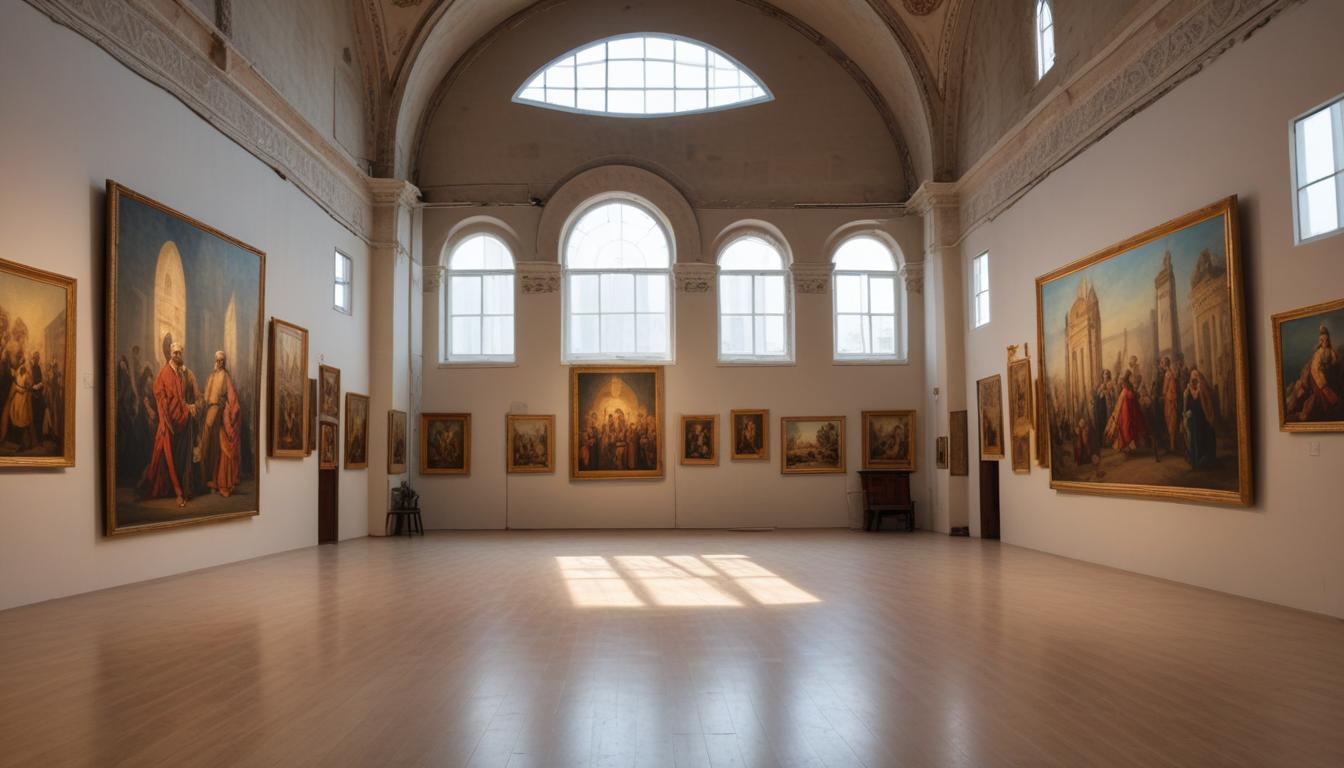
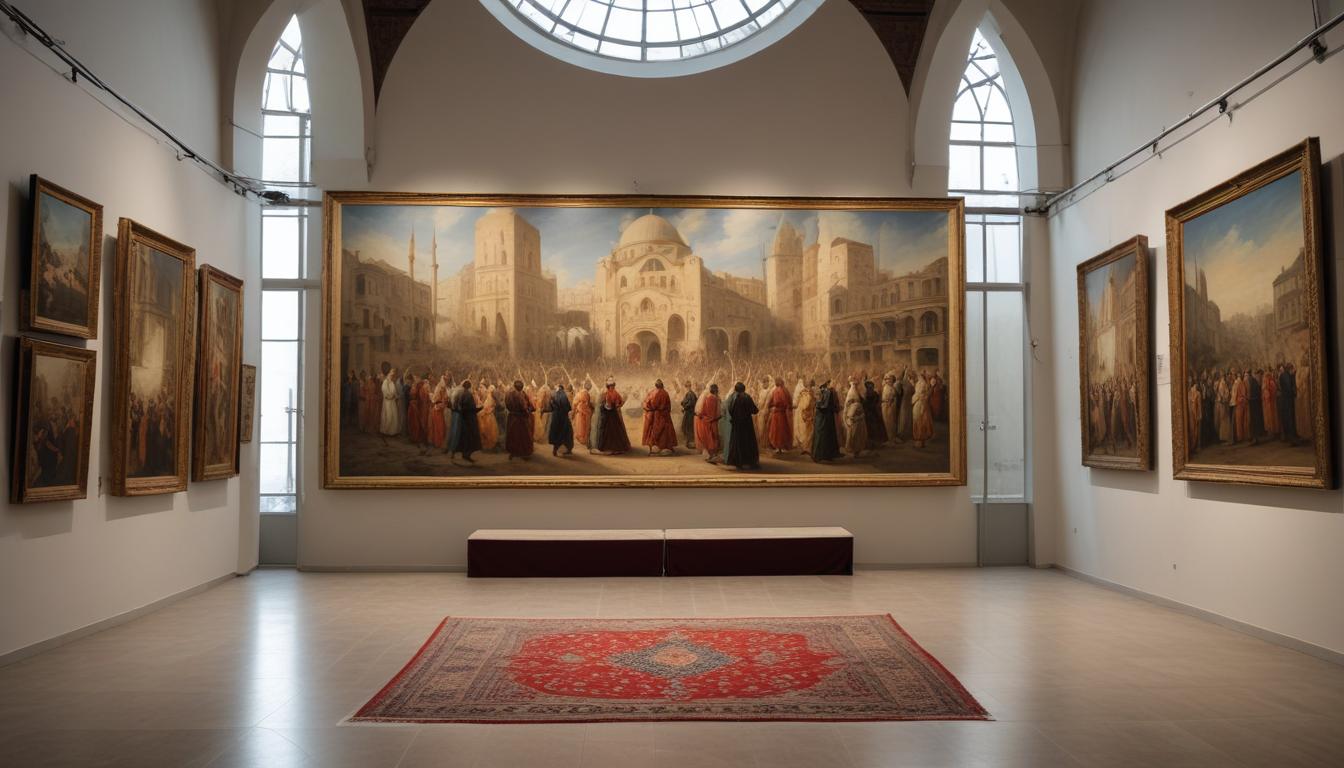
Walk through Karaköy on a Friday evening and you'll witness something remarkable: young professionals, international collectors, and local artists moving between gallery openings like pilgrims visiting shrines. This ritual, repeated across dozens of converted warehouses and restored Ottoman buildings, has become central to how Istanbul now defines itself culturally.
The transformation is tangible. Over the past five years, the number of independent galleries in Istanbul's core creative zones has nearly doubled, according to figures tracked by the Istanbul Contemporary Art Foundation. Beyoğlu—historically the city's bohemian heart—now hosts more than 120 registered galleries, while Karaköy's waterfront district has evolved from industrial decay into what locals call "the SoHo of the Bosphorus," with spaces like Rodeo Istanbul and Akaretler design studios anchoring a creative ecosystem that draws 40,000+ visitors monthly.
But what makes this moment distinctive isn't merely growth—it's the conversation these spaces facilitate about Istanbul's identity. The Arter, a non-profit contemporary art institution in Beyoğlu, explicitly positions itself as examining "critical issues facing Turkey and the world." Similarly, smaller initiatives scattered across Cihangir and Galata focus on preserving Ottoman-era aesthetics while hosting decidedly contemporary work, creating a visual and conceptual dialogue between past and present.
The economic footprint is meaningful too. Gallery-adjacent businesses—design studios, cafés, independent bookshops—have generated an estimated 2,300 jobs in Karaköy alone since 2020. Entry fees to major institutions like the Istanbul Museum of Modern Art (MuseumMMoDA) average 200 Turkish lira, with student discounts and free community days reflecting a commitment to accessibility that mirrors broader cultural values.
What's particularly significant is who's driving this scene. Turkish artists and curators—many trained abroad but choosing to base themselves here—are reclaiming narrative control over how Istanbul is represented internationally. Rather than being subjects of Western art-world attention, these practitioners are setting agendas, hosting biennales (Istanbul Contemporary being the premier example), and establishing the city as a creator of culture, not merely a consumer of it.
This shift matters politically and philosophically. As geopolitical tensions dominate headlines globally, Istanbul's gallery scene offers something countervailing: spaces where difficult conversations happen through art, where Turkish and international voices coexist, and where creative risk-taking is positioned as civic virtue. The galleries aren't separate from Istanbul's identity—they're actively constructing it, day by day, exhibition by exhibition.
This article was compiled by AI from the sources linked above and screened before publishing. See our editorial standards.