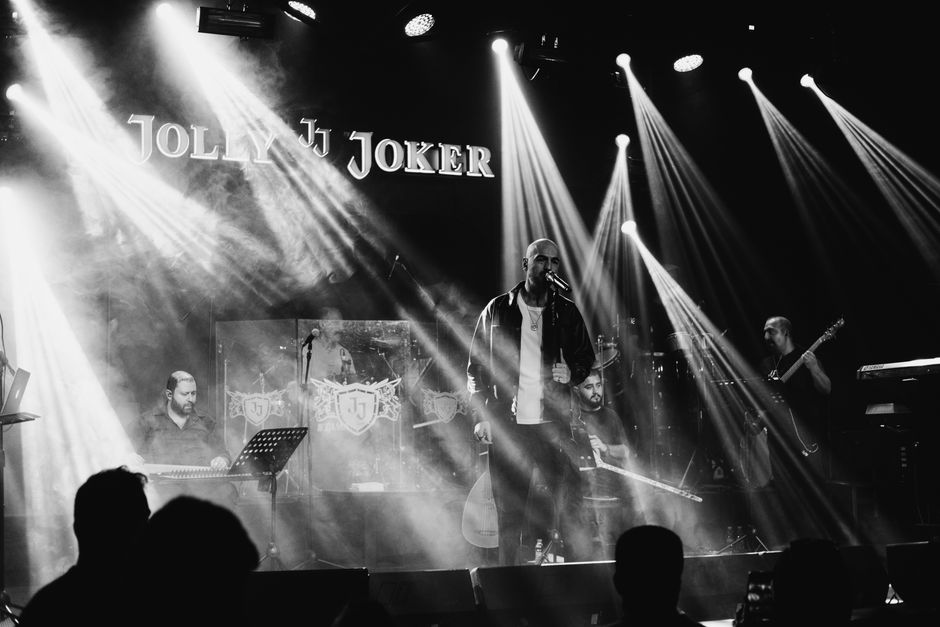
Walk through Beyoğlu on any given evening this summer, and you'll hear it before you see it: the unmistakable hum of competing soundchecks spilling from venue doorways along İstiklal Caddesi and the narrower streets branching toward Tünel. Istanbul's live music scene has reached a fever pitch, with more international acts, emerging Turkish artists, and experimental performances crowding the calendar than many longtime observers can remember.
The shift is particularly visible in neighbourhood power dynamics. While Beyoğlu's established venues—including the long-standing clubs around Nevizade Sokak—continue to draw crowds, Kadıköy has emerged as a serious competitor. The waterfront district's mix of affordable rents, younger demographics, and new infrastructure has spawned at least a dozen mid-sized performance spaces in the past eighteen months. Venues along Bağdat Caddesi and near Moda's seafront are booking everything from indie rock to techno to Turkish folk fusion, often at ticket prices 30-40 percent lower than their Beyoğlu counterparts.
What's driving the conversation among Istanbul's culture enthusiasts is a question of sustainability and identity. Ticket prices for international acts at larger venues have climbed steeply—often reaching 800-1,500 lira for established names—while the proliferation of smaller spaces has democratised access to live music. Yet venue owners and musicians are split on whether this growth represents genuine cultural flourishing or market oversaturation ahead of a correction.
The data suggests momentum: event listings on local platforms show roughly 45 percent more scheduled concerts and live performances in June 2026 compared to the same period last year. Tourism boards credit recovering international visitor numbers post-2023 earthquake recovery, combined with a younger generation of Istanbulites actively seeking alternative entertainment options beyond the traditional nightclub circuit.
Perhaps most tellingly, conversations in Istanbul's cultural circles now centre on neighbourhood turf wars—which district offers the best emerging artist ecosystem, which venues will survive a potential market contraction, and whether the city can maintain its reputation as a Mediterranean creative hub without pricing out the local audiences who built its reputation.
What locals are genuinely talking about: Can Istanbul sustain this expansion, or are we watching a bubble inflate before an inevitable pop?
This article was compiled by AI from the sources linked above and screened before publishing. See our editorial standards.