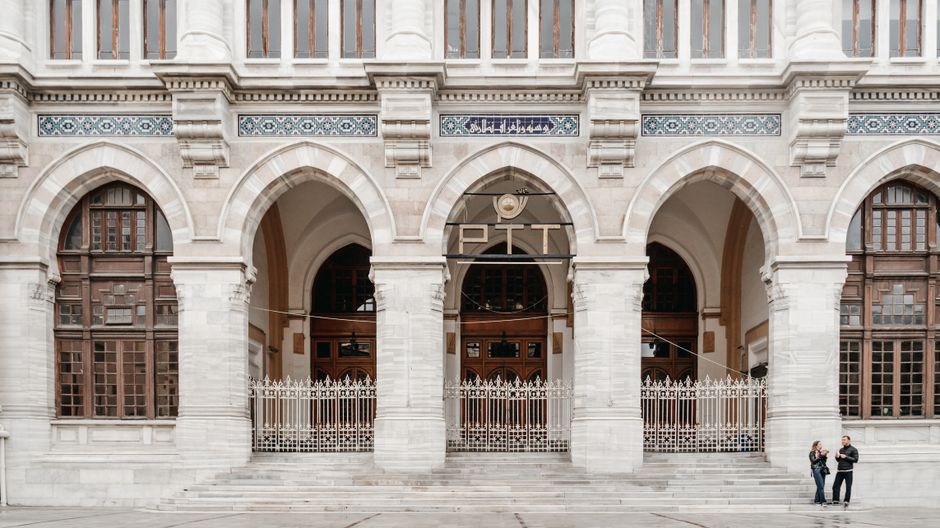
Walk down İstiklal Caddesi on a Thursday evening and you'll notice something unsettling: fewer marquees lit up, fewer bass lines vibrating through the pavement. Istanbul's legendary live music ecosystem—once a draw for touring acts across Europe and the Levant—is contracting visibly, and the city's cultural workers are increasingly vocal about what they see as an existential crisis.
Three major venues in Beyoğlu have shuttered since March, citing rent increases of 40-60 percent over the past eighteen months. Smaller clubs in Galata that once hosted experimental electronic nights and emerging Turkish artists have either pivoted to bottle-service models or gone dark entirely. The ripple effects are unmistakable: touring schedules for mid-tier international acts have compressed, local musicians report fewer performance opportunities, and promoters—the connective tissue of any thriving music culture—are exhausted.
"We're not talking about a slow decline," said one prominent promoter in Kadıköy, requesting anonymity due to ongoing landlord negotiations. "This is accelerating month to month." Ticket prices have climbed accordingly, with standard entry fees for established venues now ranging from 400 to 800 Turkish lire, pushing casual concert-going beyond reach for many young Istanbullites.
The financial pressure intersects with a broader shift in entertainment consumption. Summer typically brings touring acts to the city's open-air venues—Acibadem Sahne and spaces along the Bosphorus waterfront—but this season's bookings suggest a noticeable thinning. Promoters cite both reduced demand and logistical complications that make Istanbul a less attractive stop on European circuits than it once was.
Yet the conversation happening now in music community Telegram groups and WhatsApp chats suggests something more than mere complaint: a search for alternatives. Smaller, semi-underground events are proliferating in converted lofts and courtyard spaces across Kasımpaşa and Balat. DIY collectives are experimenting with ticketless, donation-based models. Some established musicians are exploring shorter residency formats rather than single-night performances.
What's striking is how local this crisis feels. While Istanbul remains a culturally vital city by any global standard, residents who remember the venue density and diversity of even five years ago describe a noticeable narrowing—fewer spaces for experimentation, higher barriers to entry, a gradual shift toward safer, more commercially predictable programming.
The question animating recent discussions isn't whether Istanbul's music scene will survive. It's whether the particular character that made it distinctive—accessible, experimental, financially sustainable for working musicians—can endure in a city where the economics of cultural space have shifted so dramatically.
This article was compiled by AI from the sources linked above and screened before publishing. See our editorial standards.