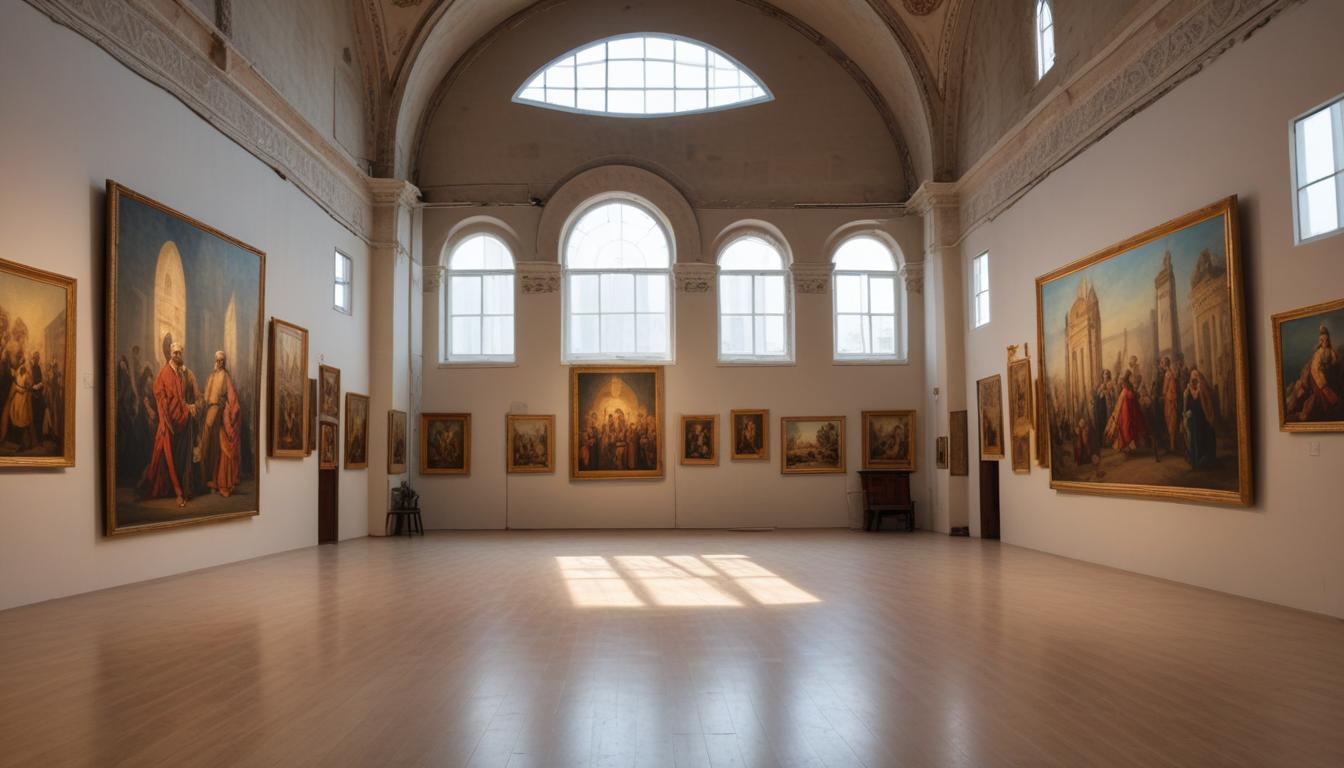
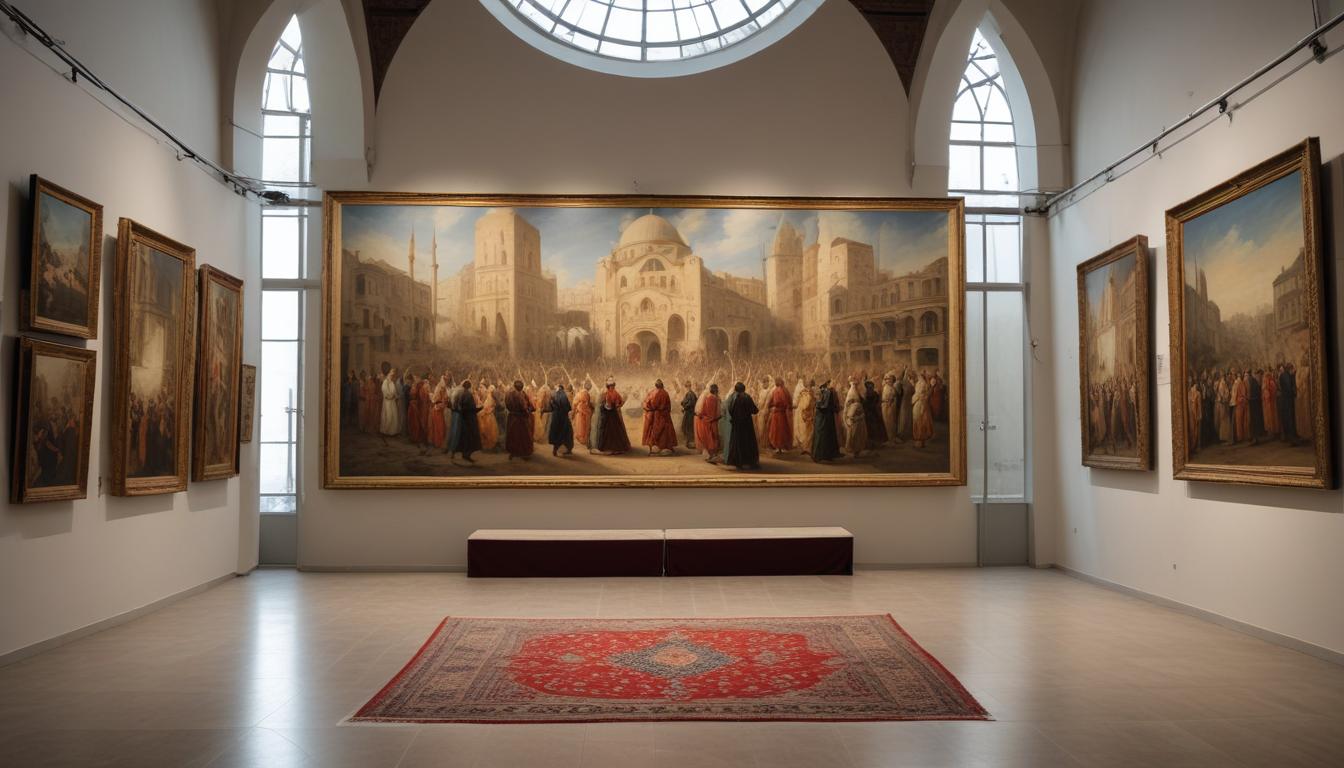
Walk down the narrow streets of Beyoğlu on any given Thursday evening, and you'll encounter something that would have been unthinkable in Istanbul's art scene five years ago: packed gallery openings in converted warehouses, artist-led collectives with deliberately modest entrance fees, and curators who speak openly about accessibility as a political act.
This shift—from exclusivity to inclusion—marks a fundamental transformation in how Istanbul's cultural institutions operate. Where traditional museums like the Istanbul Modern once dominated conversations about contemporary art, a new ecosystem has emerged, driven not by wealthy patrons or state funding, but by artists and curators determined to make the scene relevant to ordinary Istanbullus.
The numbers tell the story. Between 2020 and 2025, independent gallery spaces in central Istanbul nearly doubled, from approximately 40 to over 75 active venues. More significantly, average gallery entry fees dropped from 150 to 50 Turkish Lira, or disappeared entirely. Spaces like Versus Art Project in Kuzguncuk and Pilot in Beyoğlu have become neighborhood gathering points rather than hushed, intimidating temples of high culture.
"What's happening is a reclamation," explains the curatorial landscape broadly—emerging platforms have prioritized showing work by women artists, queer creators, and voices from Turkey's periphery. Exhibition catalogues now routinely appear in Turkish and English rather than exclusively in the latter. Gallery talks happen in community centers, not private viewing rooms.
Kadıköy has become the epicenter of this movement. Along Mühürdar Caddesi and the surrounding lanes, artist-run spaces have transformed what was once a sleepy neighborhood into a cultural destination. The Kadıköy Platform, an informal network of 12 galleries and studios, coordinates programming to distribute foot traffic equitably rather than compete. During this month's monthly art walk, participation surged past 8,000 visitors.
This isn't merely aesthetic change—it reflects a generational shift in who gets to decide what counts as legitimate art. Younger curators, many trained abroad but choosing to work in Istanbul, have rejected the hierarchies that long governed Turkish cultural institutions. Social media has accelerated this democratization, with emerging artists bypassing traditional gatekeepers entirely.
Yet tensions persist. Established institutions and collectors question whether grassroots initiatives can sustain careers or attract international attention. But for Istanbul's expanding creative class, that debate misses the point. The movement driving this cultural shift isn't seeking validation from above—it's building something new from within neighborhoods themselves.
This article was compiled by AI from the sources linked above and screened before publishing. See our editorial standards.