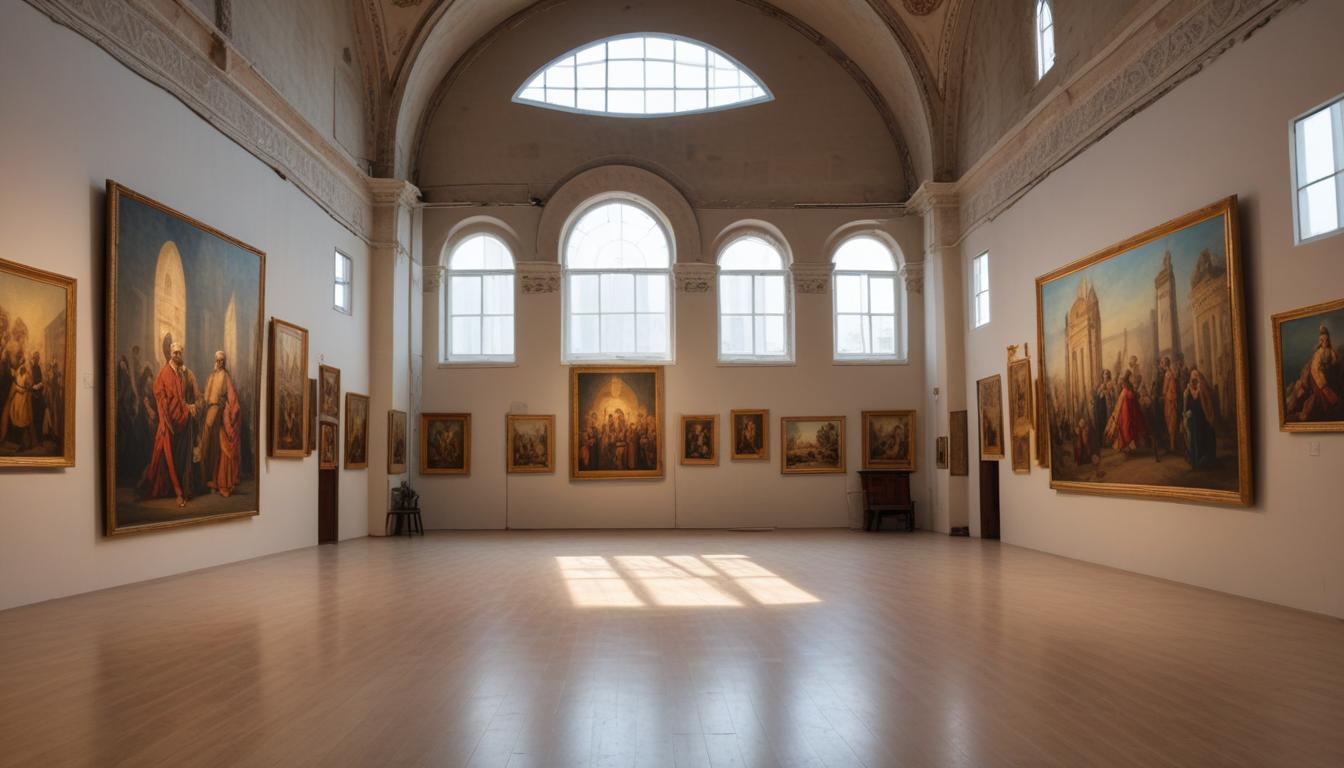
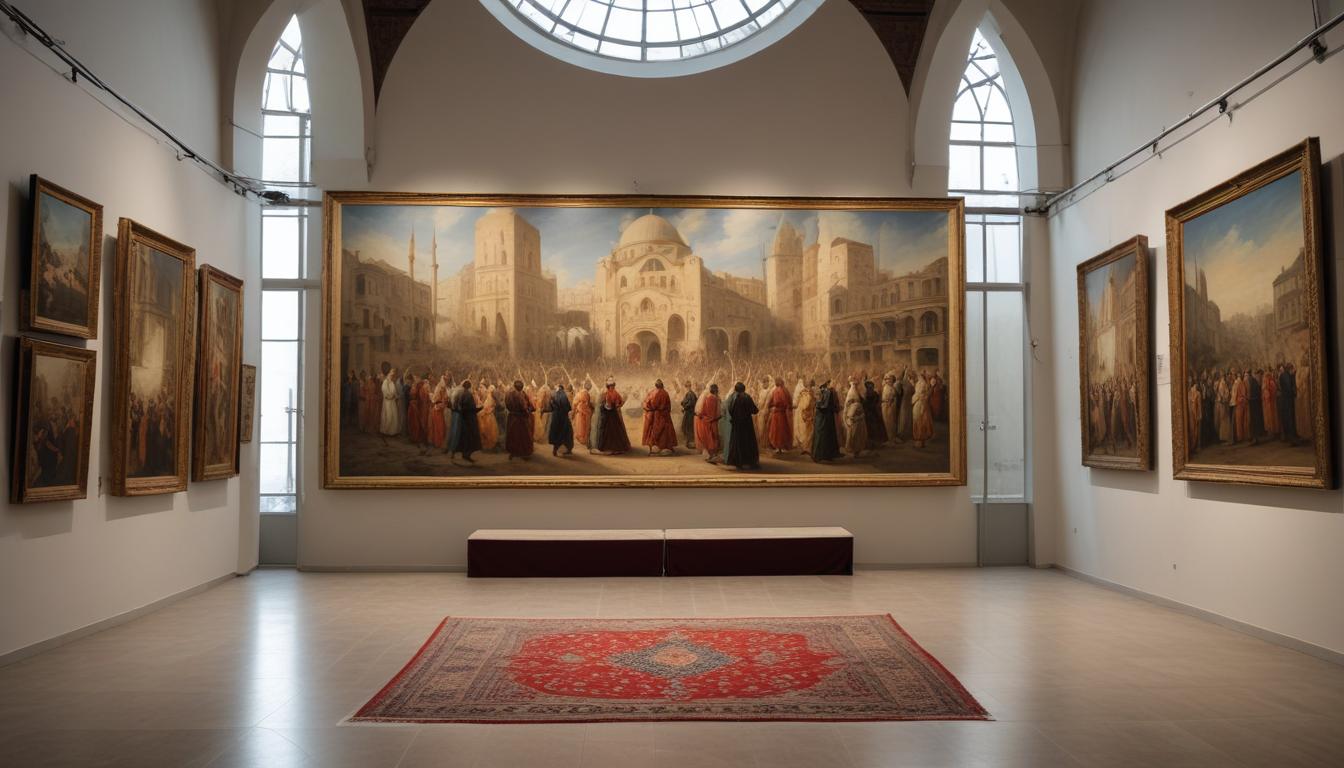
Walk through Istiklal Caddesi on any Thursday evening and you'll notice something has shifted. The gallery openings that once clustered around the established blue-chip spaces—Arter, Istanbul Modern, the reopened Pera Museum—now pulse from unexpected corners. A converted warehouse in Galata's backstreets. A ground-floor shop in Cihangir. A rooftop in Tarlabaşı that requires navigating three flights of unmarked stairs.
This decentralisation isn't accidental. Over the past eighteen months, a cohort of artists who came of age during the pandemic have begun taking control of their exhibition platforms, rejecting the traditional gallery hierarchy. The Istanbul Contemporary's 2025 report noted that independent-run spaces now account for roughly 22 percent of the city's exhibition activity, up from 12 percent in 2022.
"The conversation around what matters in Turkish art was getting stale," says Zeynep Kayan, a painter working from a shared studio in Balat who exhibited in four independent group shows last year without formal gallery representation. "The institutional galleries want safe narratives. We want to argue."
That argument is increasingly visible. Photographers exploring post-industrial Istanbul's waterfront transformation. Video artists grappling with diaspora memory. Installation work interrogating what "Istanbul brand" means when packaged for international collectors. These aren't marquee names—yet. But they're the ones drawing serious crowds to impromptu venues, sparking social media discourse, and winning selection into the kind of group exhibitions that historically precede solo shows.
The economics matter. Entry-level gallery representation in established spaces can cost artists 40-50 percent of sales; independent venues often work on voluntary, cooperative models. This structural change has democratised access but also intensified artistic conversation. When your livelihood doesn't depend on pleasing a single gallerist, the work often becomes riskier, more specific, less concerned with international market appeal.
For collectors and visitors, the shift demands more active curation. There's no equivalent of ArtForum's Istanbul digest tracking these emerging spaces. The Biennial's absence since 2021 means there's no official sanctioning moment. Instead, you navigate through word-of-mouth, Instagram clusters, and the occasional feature in local publications still catching up to what's actually happening in the neighbourhoods.
The established institutions aren't disappearing—they're recalibrating. But if you want to understand where Istanbul's visual culture is genuinely moving, you're increasingly unlikely to find it on Beyoğlu's main drag. The next wave isn't waiting for permission from above. It's already working in the margins, where, historically, Istanbul's best ideas have always been born.
This article was compiled by AI from the sources linked above and screened before publishing. See our editorial standards.