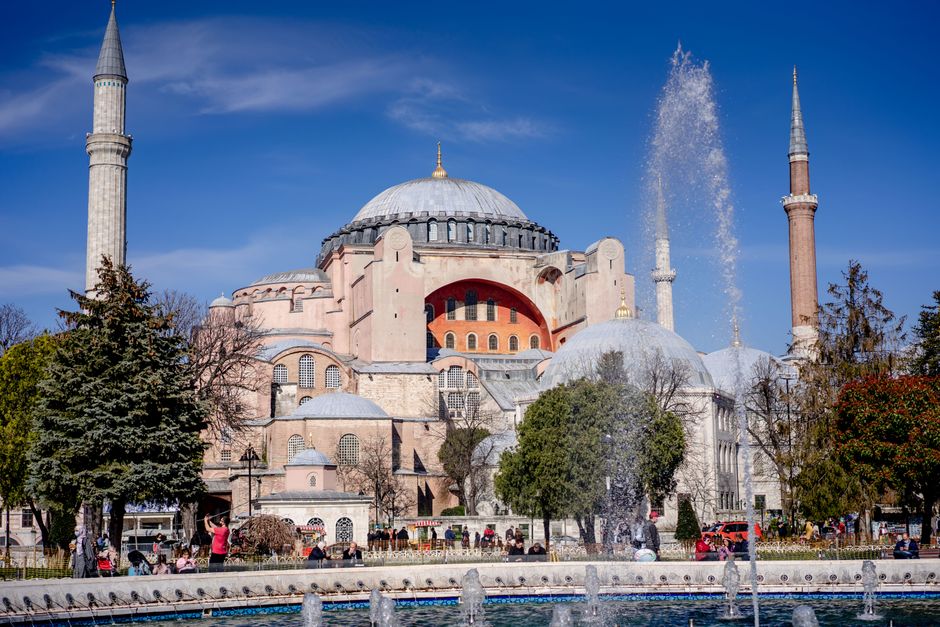
Istanbul's performing arts scene punches well above its weight, offering visitors a rare collision of European sophistication and Middle Eastern theatrical traditions. Whether you arrive in summer or winter, the city's venues—scattered across historic neighbourhoods from Beyoğlu to Kadıköy—pulse with activity that reflects Istanbul's position as a true cultural crossroads.
Start with the obvious: the Süreyya Opera House in Kadıköy, perched on the Asian side overlooking the Sea of Marmara. Built in 1927, this Art Nouveau landmark hosts classical ballet, opera and symphony performances. Tickets typically range from 200 to 800 Turkish lira (roughly €6–€25). Book ahead through the Istanbul State Opera and Ballet website, as performances often sell out weeks in advance, particularly during the June-September season.
For contemporary performance, the Akbank Sanat venue on İstiklal Caddesi—Istanbul's famous pedestrian thoroughfare—showcases cutting-edge theatre, dance and experimental work. The neighbourhood itself, with its belle-époque architecture and bustling street culture, rewards wandering. Nearby, the smaller Tiyatro Pera offers intimate productions often featuring emerging Turkish playwrights, though English-language performances remain limited.
Cinema culture here reflects both Turkish cinema's renaissance and international taste. The Istanbul Film Festival (typically April) and International Documentary Film Festival (November) are unmissable for serious cinephiles. Year-round, the Beyoğlu Cinema hosts arthouse screenings, while multiplexes like Cinemaximum at Zorlu Centre cater to mainstream audiences. Single tickets average 35–50 lira.
Don't overlook grassroots spaces. The Küçük Sahne (Little Stage) collective and various independent theatres tucked into Galata's narrow side streets host experimental work, often for under 100 lira. These venues rarely advertise beyond Turkish-language social media, but Turkish hotel concierges can direct curious visitors.
Practical tips: performances typically run September through May, with a quieter summer schedule. Most theatre and opera houses cluster in Beyoğlu or across the Bosphorus in Kadıköy—easily reached by metro or ferry. Language can be a barrier; English subtitles are standard at major venues, less so at experimental spaces. Dress codes are relaxed for theatre but smart-casual for opera.
The real magic? Istanbul's performing arts world remains remarkably affordable and authentic compared to European capitals, while maintaining genuinely world-class production values. That combination is increasingly rare, making now an excellent moment to experience what the city offers.
This article was compiled by AI from the sources linked above and screened before publishing. See our editorial standards.