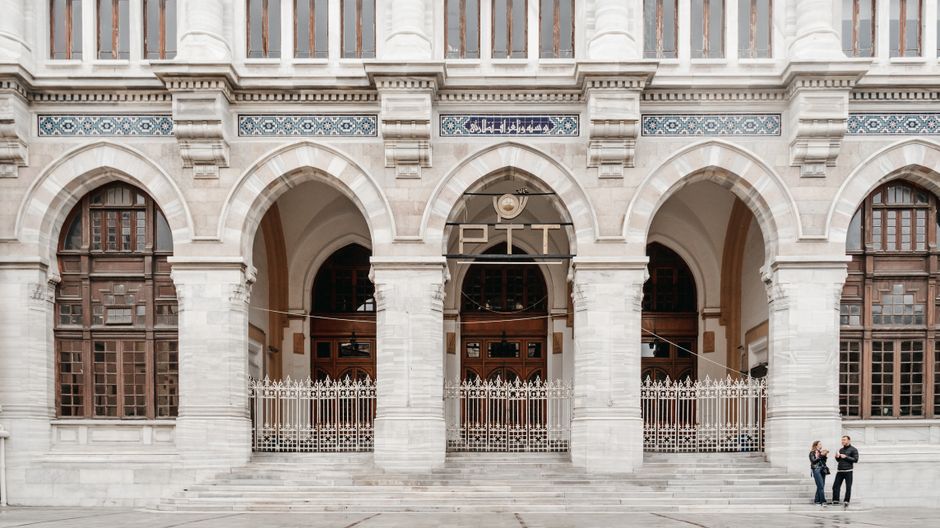
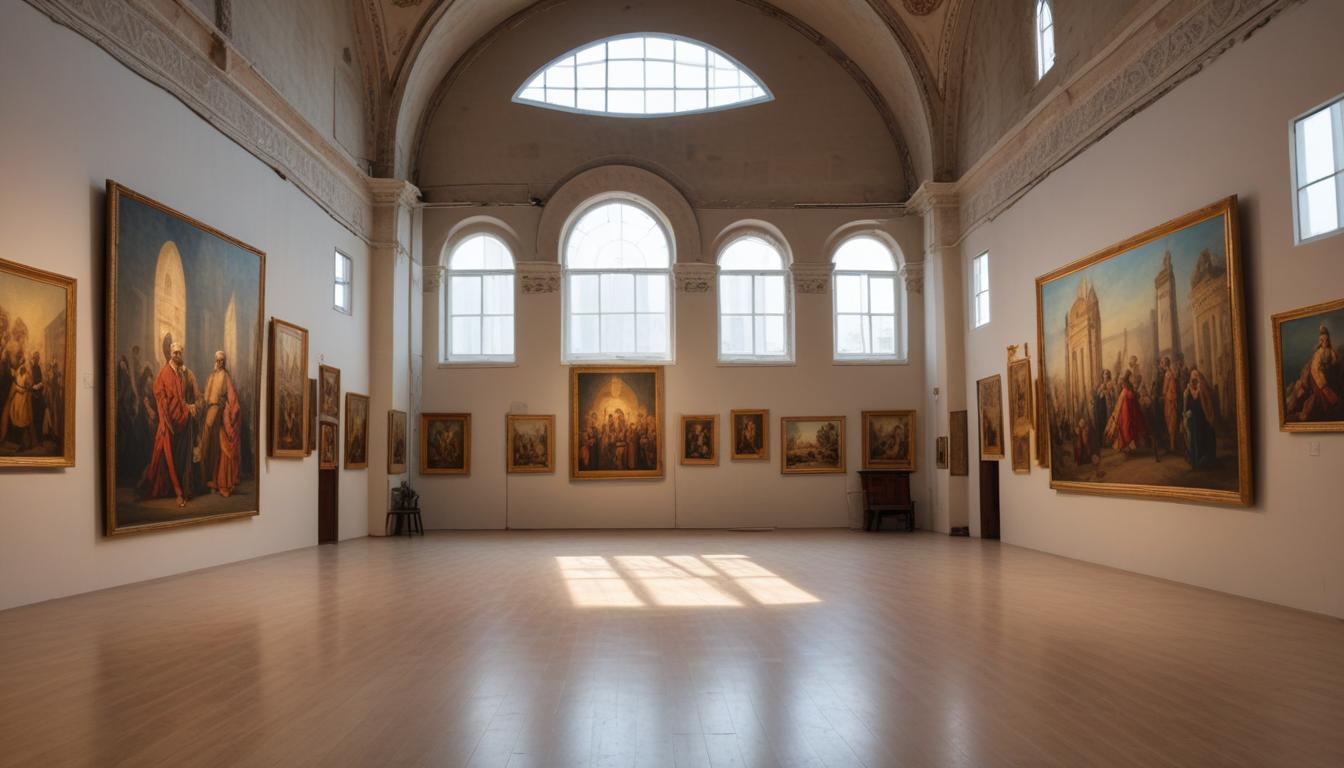
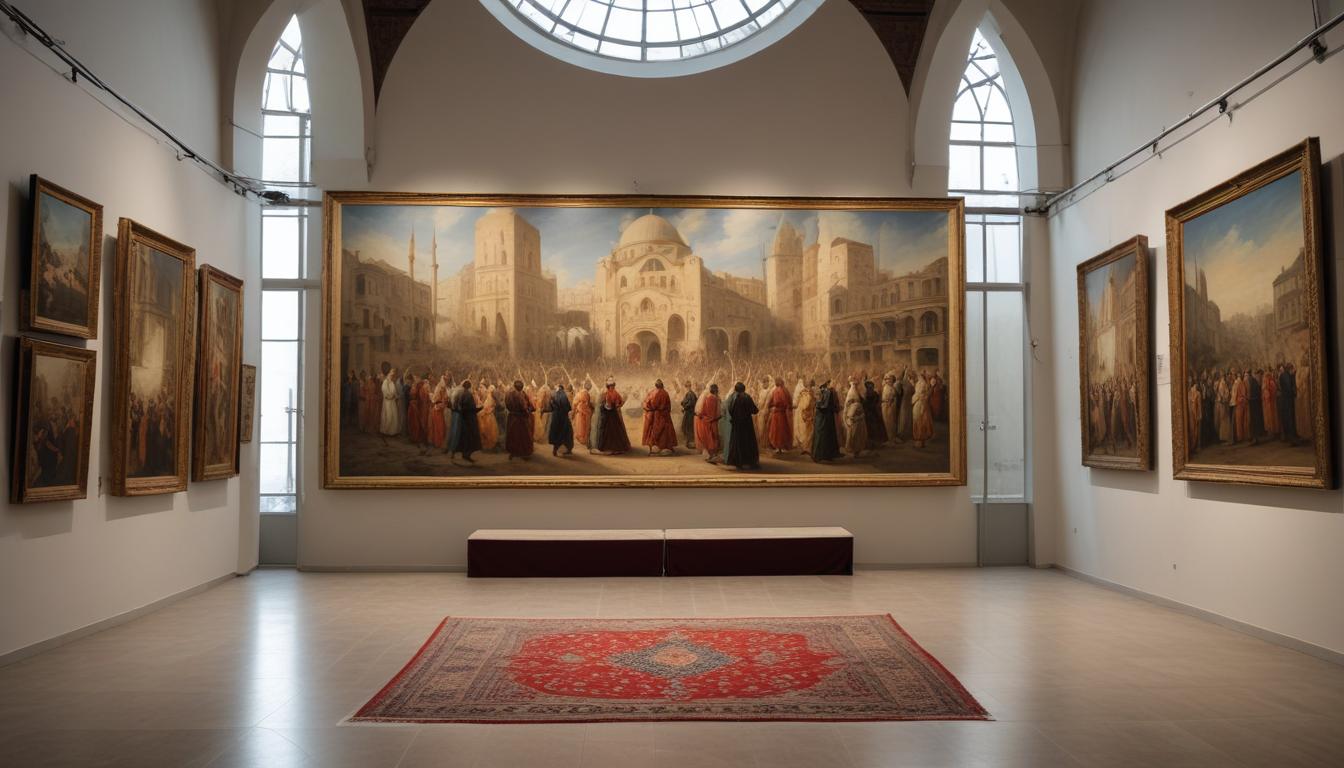
Walk through Beyoğlu on any Thursday evening and you'll notice something has shifted. The gallery openings that once felt like whispered, insider events have become unmissable cultural moments. Conversations at Balkon café now centre on which exhibition to catch before it closes, not whether the art world is worth paying attention to at all.
The catalyst is multifaceted. Three significant gallery renovations on İstiklâl Caddesi and the surrounding side streets have reopened spaces that had been dormant for years, while simultaneous institutional backing from both Turkish foundations and international arts bodies has created an unprecedented concentration of quality programming. Istanbul's art world is operating at a scale not seen since the city's boom years earlier in the decade.
Galata and Beyoğlu remain the epicentre, but the conversation has expanded into Karakoy and beyond, where younger collectors and curators are establishing smaller, experimental venues. Gallery entry fees typically range from free to 150 lira, making the scene more accessible than comparable European hubs. Several institutions have introduced summer programming specifically designed to draw locals rather than rely solely on tourist footfall.
What's particularly striking is the emerging artist representation. Turkish contemporary creators—sculptors, installation artists, and multimedia practitioners—are finally securing major solo shows in their home market rather than waiting for international validation. A generation of artists trained abroad over the past decade has returned, bringing fresh perspectives and international networks. This reverse brain drain is creating visible momentum.
Museum attendance data reflects this shift. The Istanbul Modern reported a 23 percent increase in summer visitors compared to last year, while smaller independent galleries report sustained weekday traffic that would have seemed improbable two years ago. The city's cultural institutions are investing in extended evening hours and expanded programming, betting on sustained local engagement rather than seasonal peaks.
There's also a practical element: Istanbul's geopolitical positioning and relative cost structure compared to other major art cities has attracted international artists and curators seeking alternative hubs. This influx has raised exhibition standards across the board, creating a feedback loop where higher-quality programming attracts more serious collectors and engaged publics.
For locals, the timing feels significant. In a city often dominated by global headlines and economic turbulence, the gallery scene offers something tangible and community-rooted. It's where Istanbul's creative identity feels most clearly articulated—not as a bridge between East and West, but as a dynamic contemporary force generating its own cultural momentum.
This article was compiled by AI from the sources linked above and screened before publishing. See our editorial standards.