Complete Guide to Istanbul's Best Heritage Experiences Right Now
From underground Byzantine cisterns to contemporary galleries celebrating Ottoman craftsmanship, here's where to discover the city's layered identity this summer.
From underground Byzantine cisterns to contemporary galleries celebrating Ottoman craftsmanship, here's where to discover the city's layered identity this summer.
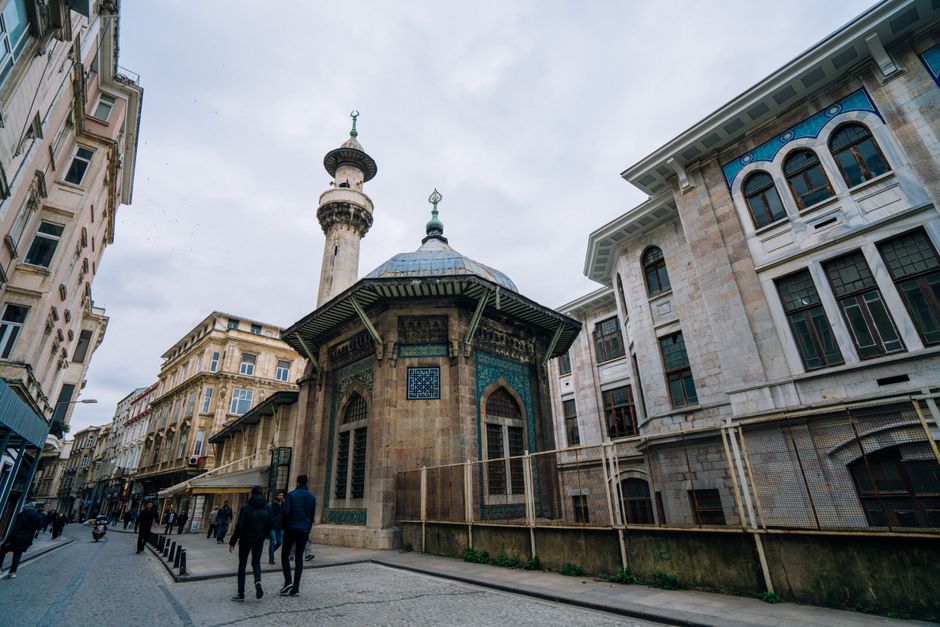
Istanbul's cultural identity isn't confined to museums—it pulses through living neighbourhoods where centuries of history intersect with contemporary creativity. As summer settles over the city, now is the ideal moment to experience how locals engage with their heritage on their own terms.
Start in Balat, where narrow cobblestone streets lined with restored Ottoman townhouses have become a hub for independent artisans. The neighbourhood's vibrant street art scene—particularly around Fener's Greek Orthodox Patriarchate—reflects how younger generations reinterpret Byzantine and Ottoman aesthetics. Several family-run workshops along Balat Caddesi still produce traditional marbling and calligraphy, techniques unchanged for centuries. Entry to most is free; artisans appreciate genuine interest over rushed tourism.
For underground history, the Basilica Cistern remains essential, but fewer visitors know about the Yerebatan's lesser-known counterpart, the Binbirdirek Cistern in Sultanahmet, which opened expanded sections last year. At 70 Turkish lira for entry, it offers the atmospheric Byzantine experience with considerably fewer crowds than its famous neighbour.
Galata's cultural landscape has shifted dramatically. Beyond the iconic tower, the neighbourhood hosts the Istanbul Modern annex near Karakoy, which this season features exhibitions exploring how 20th-century Turkish artists engaged with European movements while maintaining distinct cultural voices. The waterfront walk connecting Karakoy to Unkapani reveals layers of mercantile history—Armenian, Greek, and Jewish communities once dominated these streets, their architectural legacies still visible in building details and street names.
For something distinctly local, visit Arasta Bazaar behind the Blue Mosque. Unlike the Grand Bazaar's tourist-centric energy, this 17th-century marketplace still functions primarily for residents. Carpet sellers, spice merchants, and textile dealers here speak to how heritage crafts remain economically vital, not merely nostalgic.
The Pera Museum's current summer programme includes pieces examining Ottoman court culture and modernist responses to it—conversations that define contemporary Istanbul's self-understanding. Adult tickets cost 300 lira; many Turkish residents qualify for discounts.
Finally, invest time in a hammam ritual. Beyond Çemberlitaş's famous Ottoman bath, neighbourhood establishments like those in Cihangir provide unmediated experiences where locals gather. Expect around 150-200 lira for a basic wash; therapeutic scrubbing sessions cost more but offer insight into daily cultural practice.
These experiences reveal Istanbul not as a heritage theme park, but as a functioning city where history shapes contemporary life—where Byzantine water systems still serve residents, where artisanal traditions remain economically necessary, and where cultural identity remains actively negotiated rather than passively preserved.
This article was compiled by AI from the sources linked above and screened before publishing. See our editorial standards.
How does this story make you feel?
Spread the word
About this article
Published by The Daily Istanbul
Daily brief
Free, in your inbox before 7am. Weekdays.
More in culture