Walk through Beyoğlu on any given evening this summer and you'll hear it before you see it—music spilling from converted warehouses, laughter echoing off restored Ottoman facades, the unmistakable hum of a city that has decided culture isn't a luxury. It's infrastructure.
Istanbul's festival season, which reaches its crescendo through July and August, has become the clearest expression yet of how the city sees itself: not as a heritage museum frozen in amber, but as a living laboratory where contemporary creativity thrives alongside—and often because of—its layered past. The numbers tell part of the story. Last year, the city hosted over 180 registered cultural events, drawing more than 2.8 million attendees and generating approximately 890 million Turkish lira in direct cultural spending, according to Istanbul Metropolitan Municipality data.
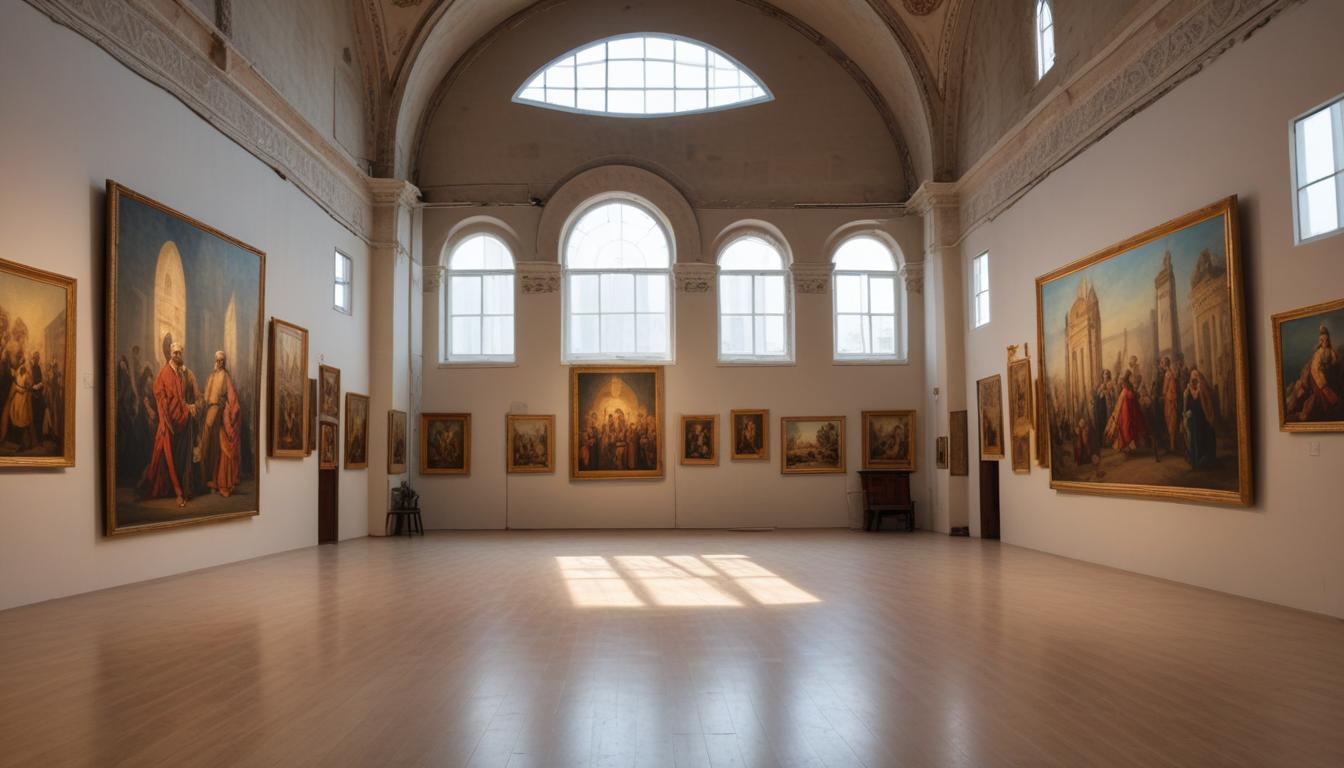
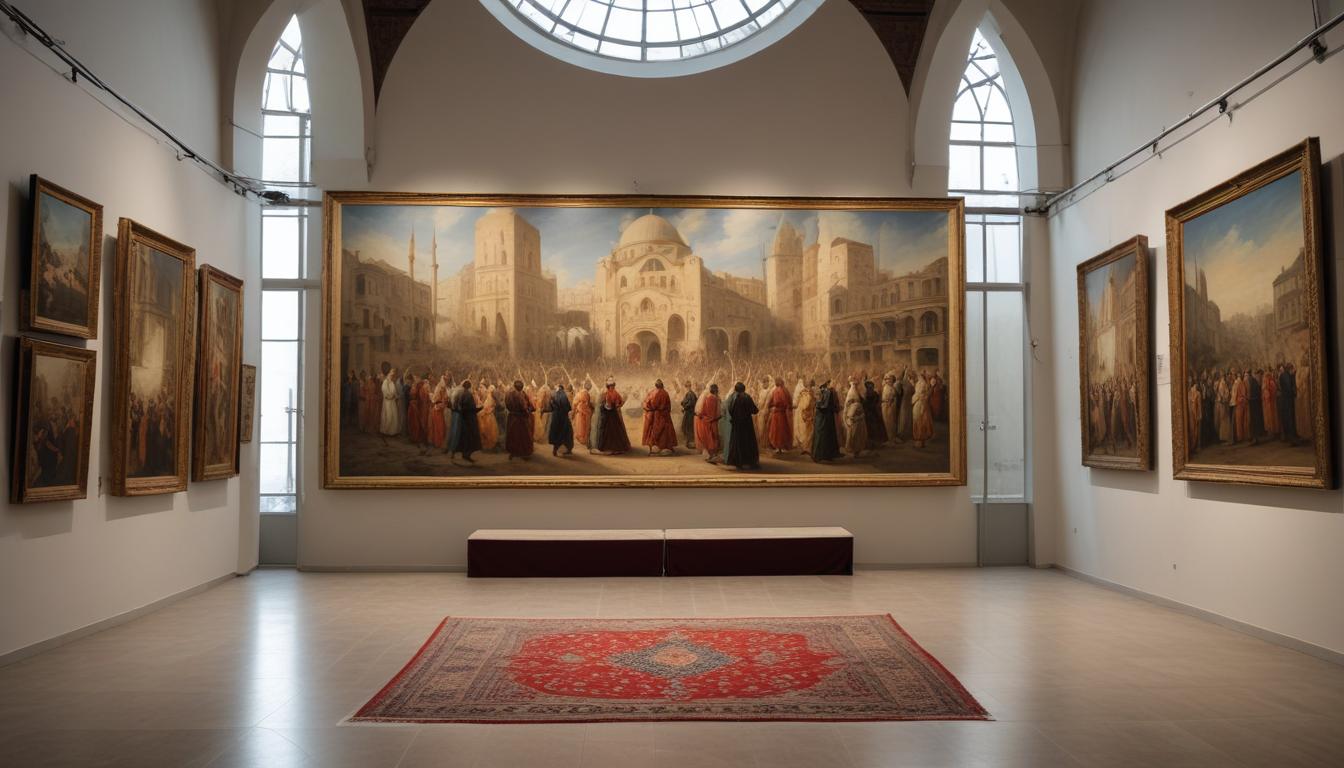
But statistics miss the texture of transformation. Consider the Galata Port Cultural Festival, now in its ninth year, which has converted Istanbul's waterfront into an open-air gallery and performance space. Or the proliferation of smaller, grassroots initiatives like the Balat Independent Arts Festival, tucked into the narrow streets of that Golden Horn neighbourhood, where emerging Turkish artists share exhibition space with international collectives in restored hans (traditional Ottoman warehouses).
What's genuinely distinctive is how these events function as identity markers. The Borusan Contemporary Festival in Beyoğlu, curated around themes that shift annually, attracts not just tourists but increasingly younger Istanbullus who see these spaces as theirs—not inherited cultural institutions, but actively created platforms. Ticket prices typically range from 50 to 150 Turkish lira, making them accessible to the city's diverse populations rather than exclusive luxury experiences.
The multiplication of independent venue seasons—from the Arter gallery's programming to smaller collectives operating from Tarlabasi's renovated buildings—reflects a broader shift in how the city constructs meaning. These aren't top-down cultural initiatives. They're distributed, decentralized, reflecting a city where creative identity is negotiated through participation rather than consumption.
This matters beyond the arts world. As geopolitical pressures complicate Istanbul's international positioning, these festivals quietly assert something powerful: that the city's future isn't determined by headlines from distant capitals, but by the everyday choices of its residents to gather, create, and imagine collectively. The calendar doesn't just document Istanbul's culture. It is becoming the culture itself.
This article was compiled by AI from the sources linked above and screened before publishing. See our editorial standards.