Istanbul's Hidden Inflation: What Market Trends Mean for Business Strategy Right Now
As global uncertainty reshapes investment flows into Turkey's largest city, business leaders face a critical recalibration of operational costs and growth plans.
As global uncertainty reshapes investment flows into Turkey's largest city, business leaders face a critical recalibration of operational costs and growth plans.
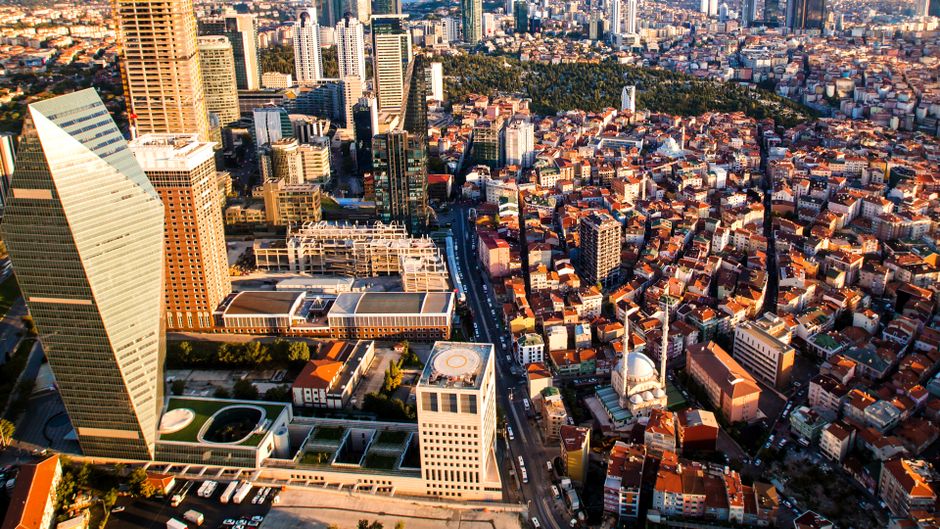
Istanbul's business climate is sending mixed signals. While the city's financial district along Maslak continues to attract regional headquarters and venture capital, companies operating here are grappling with volatile input costs and shifting consumer behaviour that's fundamentally altering their profit margins.
The reality on the ground is stark. Rental prices in premium commercial zones—particularly around Levent and Beşiktaş—have stabilised after months of volatility, but at levels 18-22% higher than early 2025. A mid-size corporate office on Büyükdere Caddesi now commands between 35-45 USD per square metre monthly, pushing multinational firms to reconsider their Istanbul footprints. Meanwhile, logistics and supply chain operators report that freight costs from the Port of Ambarlı remain elevated, with container handling fees up nearly 12% year-over-year, squeezing margins for import-export businesses across the Golden Horn corridor.
Energy costs deserve particular scrutiny. Manufacturing facilities in Tuzla's industrial zone—home to hundreds of mid-market producers—are budgeting for electricity expenses that have increased 28% since mid-2025. This has accelerated interest in renewable energy solutions and efficiency audits, with solar installation inquiries up sharply among factory owners.
Consumer spending patterns reveal a bifurcation in Istanbul's market. Affluent neighbourhoods like Nişantaşı and Bebek show resilience, with luxury retail and dining maintaining steady traffic. But middle-market retail along Istiklal Street and in Sultanahmet's tourist zones reports softer foot traffic, with some retailers cutting inventory to preserve cash flow. This divergence matters: businesses targeting middle-income consumers need revised demand forecasts.
The investment climate itself is recalibrating. Foreign direct investment into Istanbul has shifted from real estate development toward technology, healthcare services, and digital infrastructure—sectors less exposed to currency fluctuations. The Teknokent technology parks near Maslak and in Sarıyer are seeing increased interest from international venture firms, even as traditional finance operations consolidate.
For business leaders, the message is clear: reassess your cost structure. Review lease agreements before renewal. Stress-test supply chains against further commodity price volatility. Monitor labour costs, particularly for skilled workers in tech and professional services, where competition for talent remains fierce. And crucially, don't assume last year's pricing models hold steady through 2026.
Istanbul remains a critical node in regional business networks. But navigating it successfully now requires precision planning and realistic expectations about operational realities.
This article was compiled by AI from the sources linked above and screened before publishing. See our editorial standards.
How does this story make you feel?
Spread the word
About this article
Published by The Daily Istanbul
Daily brief
Free, in your inbox before 7am. Weekdays.
More in Business