How Global Chaos Is Reshaping Istanbul's Job Market
From mining deals to Middle East tensions, international upheaval is forcing local businesses to retool hiring strategies and skill requirements.
From mining deals to Middle East tensions, international upheaval is forcing local businesses to retool hiring strategies and skill requirements.
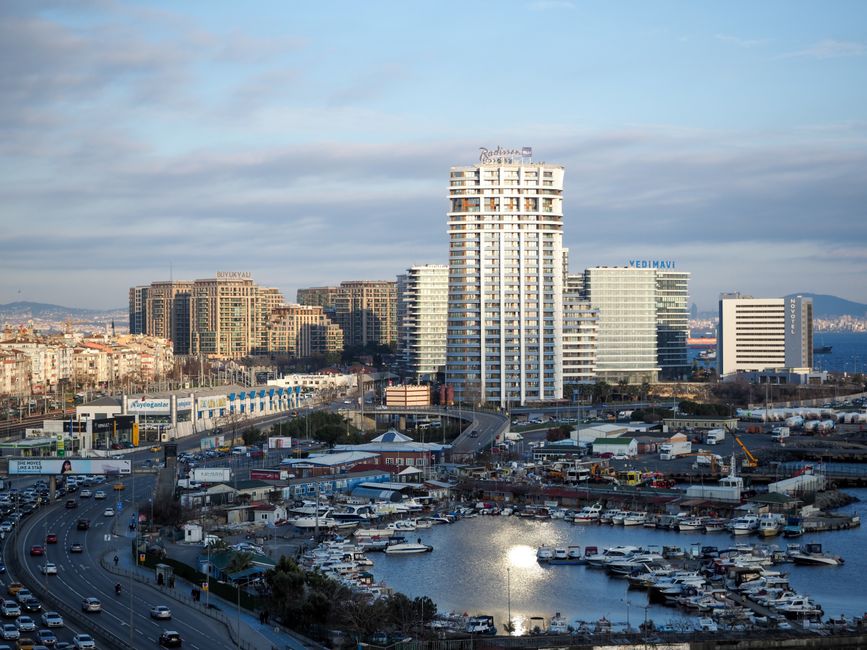
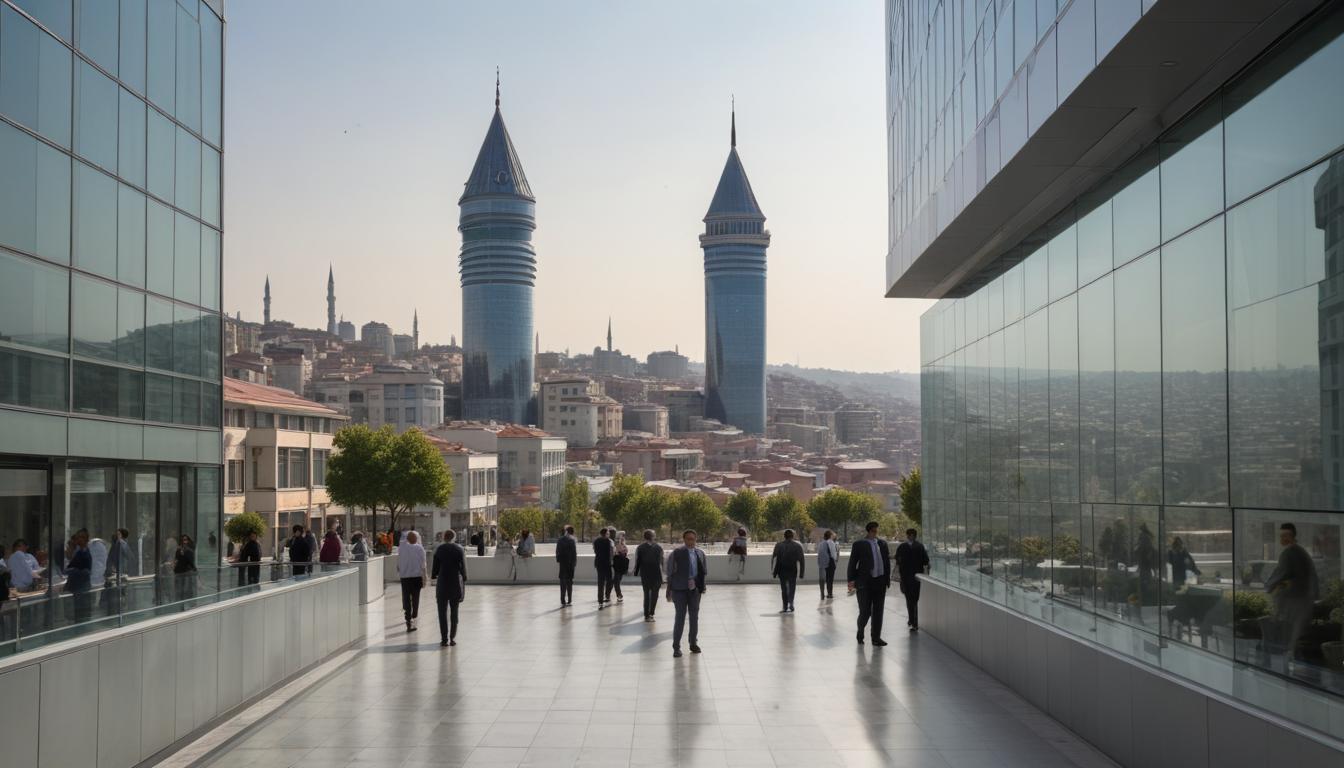
Walking through Levent's gleaming office towers or the startup hubs scattered across Beyoğlu, you'd think Istanbul's job market operates in a bubble. You'd be wrong. The city's employers are quietly bracing for a turbulent year ahead, with geopolitical tremors and international economic shifts directly reshaping how and whom they hire.
The tensions rippling across the Middle East are hitting Istanbul's trade and logistics sector particularly hard. Companies operating in the Zeytinburnu port district and along the Golden Horn corridor report increased insurance costs and longer shipping delays. One customs broker working near Eminönü noted that clients are now budgeting an extra 15-20% for transit times through regional routes. This uncertainty is forcing firms to hire supply chain specialists—a role commanding salaries 25-30% higher than two years ago—while simultaneously freezing expansion plans that would have created entry-level positions.
The global mining and natural resources boom is creating an odd hiring bifurcation. While multinational resource companies are aggressively recruiting geologists and project managers with international experience, offering packages that draw talent away from Istanbul's traditional sectors, domestic businesses in textiles, manufacturing, and tourism are struggling to retain mid-level staff. The wage differential has become stark: a junior mining analyst in a Maslak office might earn 180,000 TL monthly, while a production supervisor in Hadımköy earns 70,000 TL for comparable experience.
The broader geopolitical instability is also reshaping skill priorities. Tech companies clustered around the Galata Tower area and in Beşiktaş report sharply increased demand for cybersecurity and risk management expertise. Istanbul's growing fintech sector, powered by firms near Taksim and along the Bosphorus financial corridor, is competing fiercely for these specialists, driving a talent shortage that's rippling outward to smaller businesses.
Tourism and hospitality—historically Istanbul's employment backbone—remain volatile. Hotels in Sultanahmet and Beyazıt are adopting more flexible hiring models, favoring contract and gig workers over permanent staff. Average hospitality wages have stagnated around 45,000-60,000 TL monthly, even as operational costs climb.
Local recruitment agencies report that companies are increasingly asking for crisis management experience and international compliance knowledge—skills few local candidates possess. This is forcing businesses to invest in training or compete aggressively for overseas talent, raising employment costs precisely when international uncertainty makes expansion risky.
The paradox facing Istanbul's employers is clear: global turmoil demands sophisticated talent, but that very turbulence discourages the hiring commitments needed to build a deeper local workforce. Until international conditions stabilize, expect Istanbul's job market to remain a study in contradiction—pockets of robust hiring alongside broader caution.
This article was compiled by AI from the sources linked above and screened before publishing. See our editorial standards.
How does this story make you feel?
Spread the word
About this article
Published by The Daily Istanbul
Daily brief
Free, in your inbox before 7am. Weekdays.
More in Business