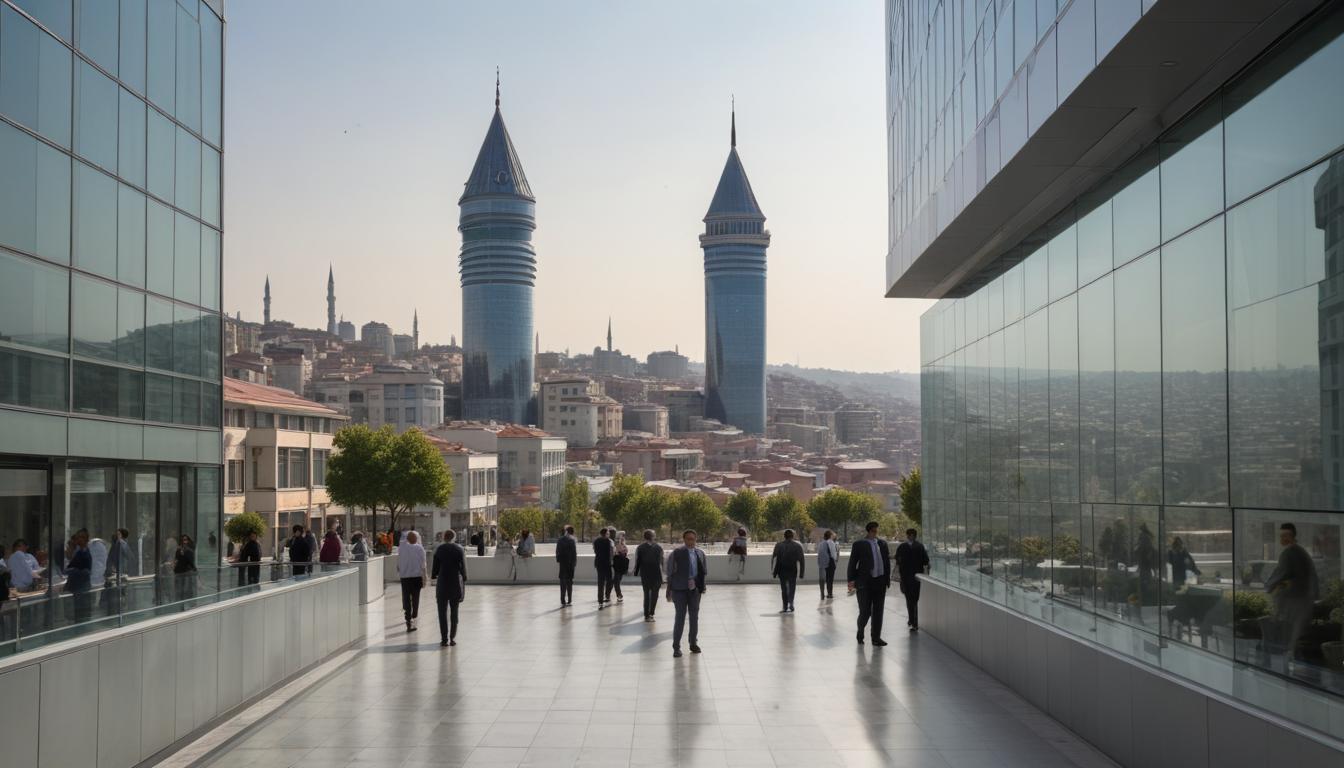
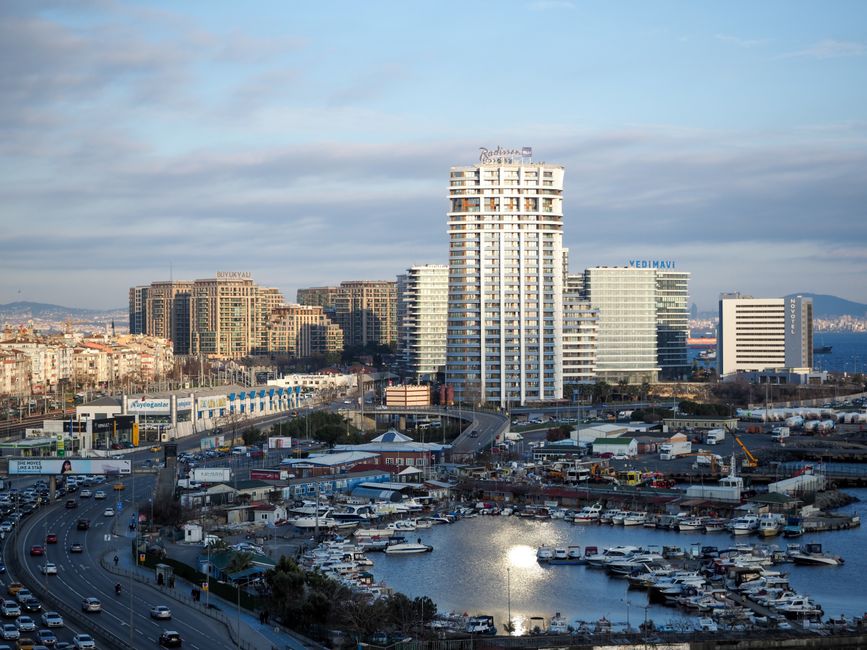
Istanbul's employment landscape is undergoing a quiet but significant transformation. The rise of remote and hybrid work arrangements is fundamentally reshaping where talent congregates, how companies recruit, and which neighbourhoods are emerging as secondary business hubs beyond the traditional financial corridors of Levent and Maslak.
Data from Istanbul Chamber of Commerce suggests that approximately 34% of knowledge workers in the city now have some form of remote arrangement, up from just 8% in 2019. This shift is creating ripple effects across the metropolitan job market. Tech companies that once clustered in expensive office parks along the European side are increasingly offering employees flexibility, making positions attractive to talent from Anatolia who previously faced impossible commute times.
The decentralisation is particularly visible in neighbourhoods like Beşiktaş and Kadıköy, where co-working spaces have proliferated. Premium workspace providers report 67% occupancy rates, compared to 52% just eighteen months ago. "We're seeing software engineers, digital marketers, and consultants choosing to base themselves here rather than commuting to Levent three days a week," explains the general manager of a major co-working facility near Kadıköy's Moda neighbourhood.
Salary dynamics are shifting too. Previously, working for an Istanbul-based employer meant accepting lower compensation than roles offered by international firms. Now, Turkish professionals can negotiate remote positions with London, Berlin, or New York-headquartered companies while remaining in Istanbul—creating wage pressure on local employers. Entry-level software developer salaries have risen approximately 18% year-on-year, according to recruitment firm data, as companies compete for talent.
This trend is particularly pronounced in the startup ecosystem. The number of registered tech startups in Istanbul has grown 43% since 2024, with many operating as fully distributed teams. Entrepreneurs are no longer constrained by needing expensive central office space on Istiklal Avenue or around the Galata Tower area to attract talent. Instead, they're building teams across multiple continents while maintaining Istanbul as their legal and operational base.
However, challenges persist. Inconsistent internet infrastructure in some neighbourhoods outside central districts remains problematic. Additionally, some traditional sectors—finance, law, government relations—still demand physical presence, keeping premium office demand alive in established business zones.
The reshaping of Istanbul's job market reflects broader global economic realities: talent mobility, digital infrastructure maturation, and worker preferences for flexibility are rewriting geography's role in employment. For the city's employers, the implications are profound: compete on flexibility and culture, not just location.
This article was compiled by AI from the sources linked above and screened before publishing. See our editorial standards.