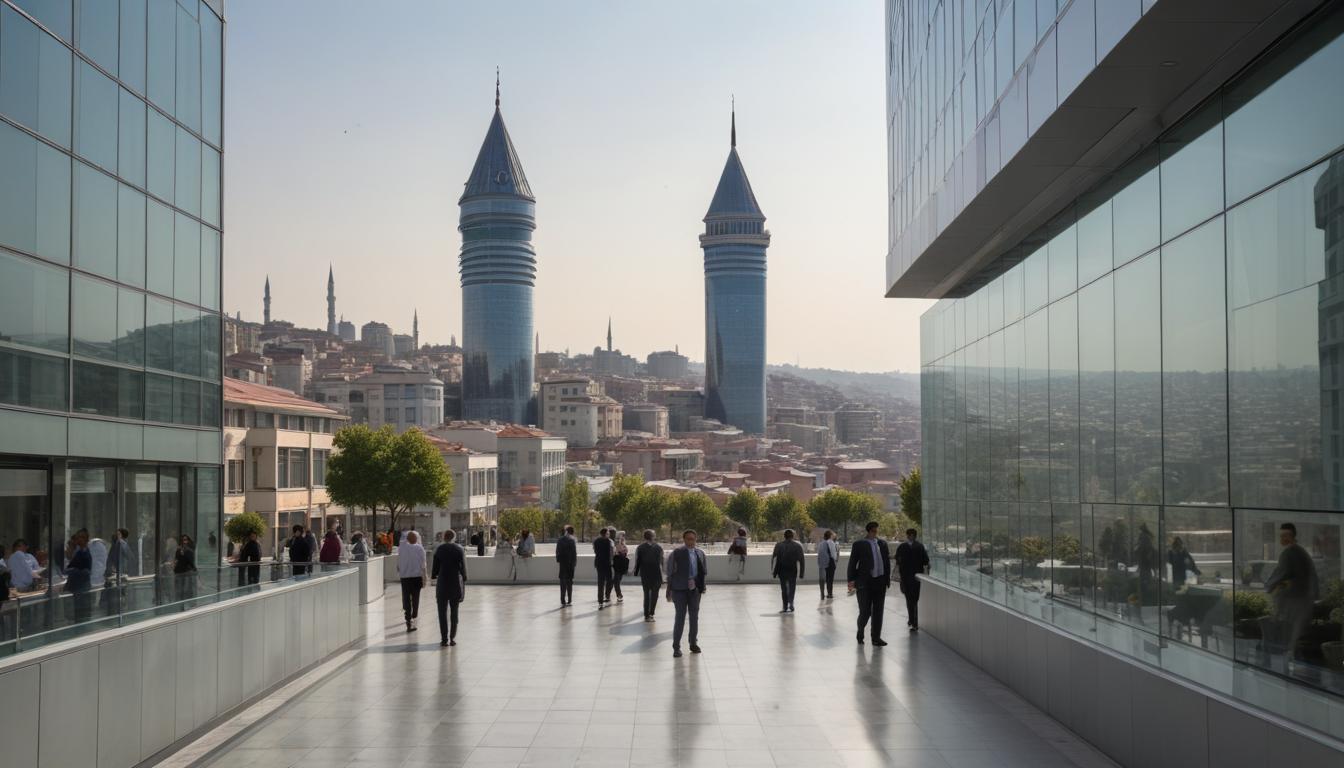
The streets around Organized Industrial Zone in Tuzla are humming with activity these days—but not the kind Istanbul has grown accustomed to for decades. Among the traditional chemical factories and logistics warehouses, a quieter revolution is unfolding in the workshops and modest production facilities of entrepreneurs betting big on sustainable packaging.
Turkey's ban on single-use plastic bags in retail, implemented in January 2024, sent ripples through supply chains across the country. But in Istanbul's industrial heartland, it created something else: opportunity. Today, nearly three years into enforcement, manufacturers producing compostable boxes, kraft paper alternatives, and plant-based wrapping materials report capacity constraints, not idle machinery.
"We've doubled our workforce in eighteen months," explains one Tuzla-based operator who requested anonymity, citing competitive sensitivity. His facility now employs seventy people, up from thirty-five in late 2024. "The margins aren't spectacular—we're talking 12 to 18 percent net—but volume is covering overhead and then some."
Data from the Istanbul Chamber of Commerce shows that permit applications for packaging-related manufacturing jumped 34 percent year-on-year through 2025, with the trend accelerating into 2026. A single production line for molded fiber containers now costs around 800,000 Turkish lira to establish—accessible to determined entrepreneurs but not trivial.
The real beneficiaries, however, are those who moved early. Operators in Beylikdüzü and Çekmeköy who pivoted from conventional plastics to alternatives between 2023 and 2024 have captured the most lucrative contracts with major retailers and food delivery platforms. Companies like Getir, Yemeksepeti, and international brands establishing Turkish hubs face mounting pressure—both regulatory and reputational—to source responsibly.
Retail prices for sustainable alternatives remain 15 to 25 percent higher than traditional plastic, but larger clients are absorbing the cost as consumer preferences harden. A survey by Istanbul's Business Research Institute found 62 percent of urban consumers now actively prefer eco-certified packaging, up from 41 percent in 2023.
Not everyone is thriving equally. Smaller operators without access to credit or modern equipment struggle to meet batch volumes. Quality inconsistency has plagued some entrants, damaging reputation before they've scaled. And the supply chain for raw materials—recycled paper, biodegradable resins—remains unreliable, with some inputs still imported.
Yet for the disciplined entrepreneur with technical know-how and capital to invest, Istanbul's sustainable packaging space remains wide open. The window, however, is closing faster each quarter as foreign competitors eye the Turkish market and domestic players consolidate.
This article was compiled by AI from the sources linked above and screened before publishing. See our editorial standards.