Istanbul's Job Market Shift: What Your Wallet Needs to Know This Summer
As employment patterns reshape across Turkey's economic engine, residents face a complex mix of wage growth and rising living costs that demand practical navigation.
As employment patterns reshape across Turkey's economic engine, residents face a complex mix of wage growth and rising living costs that demand practical navigation.

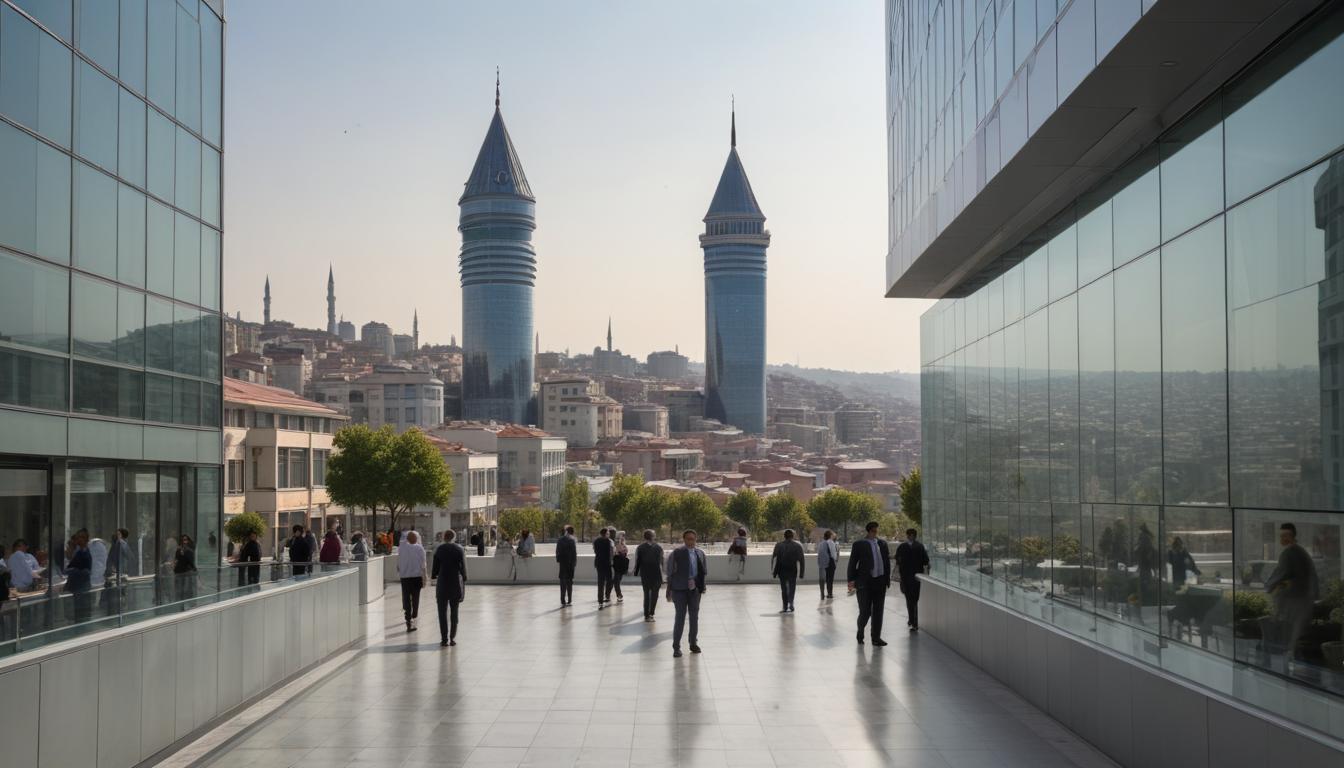
Walk through the gleaming office towers of Levent or Maslak on any weekday morning, and Istanbul's job market appears robust. Yet behind the polished glass facades, a more complicated picture emerges—one that directly affects how everyday residents spend their money, plan careers, and manage household budgets in 2026.
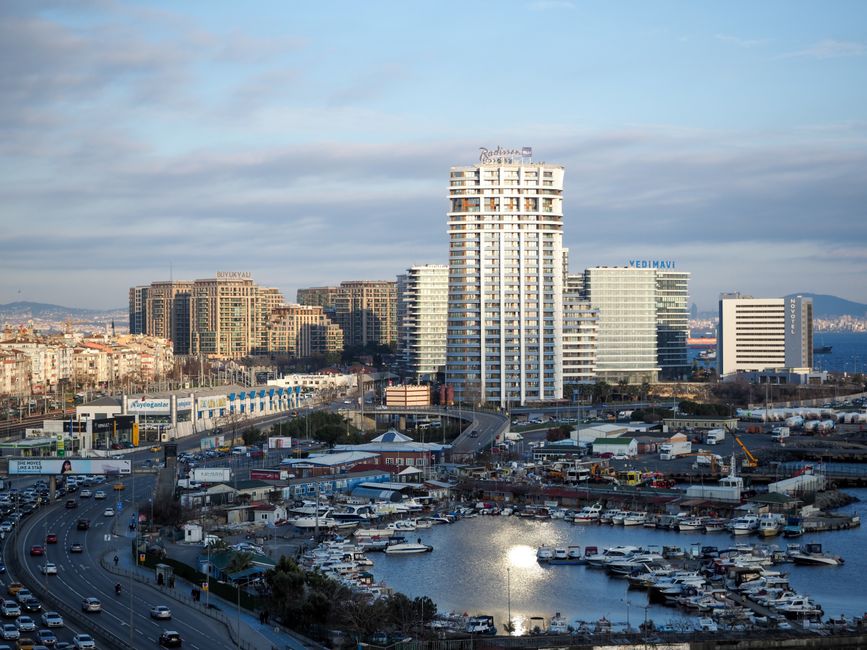
The past eighteen months have brought significant shifts to employment in Turkey's largest city. Tech and finance sectors—traditionally clustered around the Maslak financial district and increasingly in emerging hubs like Pendik—have experienced slower hiring than the pandemic boom years. Meanwhile, hospitality, logistics, and construction roles have expanded, particularly as tourism recovers and infrastructure projects accelerate toward the Bosphorus and into Asian-side neighborhoods like Maltepe and Ümraniye.
For consumers, this means wage pressures are unevenly distributed. Professional positions in established sectors offer modest salary growth—roughly 8-12% annually for mid-level roles—but competition remains fierce. Entry-level workers in service industries see faster nominal wage increases, yet these gains are quickly eroded by inflation, which has pushed staple costs significantly upward. A typical lunch in Beyoğlu's restaurant row now averages 180-220 Turkish Lira, a 25% increase from two years ago. Rent in desirable neighborhoods from Kadıköy to Beşiktaş has climbed accordingly.
Remote work arrangements—once exceptional during lockdowns—have become standard in many multinational firms headquartered in the Acibadem business district. This has quietly altered Istanbul's employment geography, allowing some workers to relocate to cheaper suburbs while maintaining central salaries, though this trend has plateaued as companies mandate office returns.
What should residents understand? First, sector matters enormously. Digital marketing, software development, and financial services remain competitive and offer relative stability. Second, career timing is critical—mid-career professionals face tougher advancement, while graduates entering growth sectors have opportunities. Third, the wage-cost gap is real and widening. A household earning 15,000 Lira monthly finds purchasing power diminished despite nominal raises.
The practical advice: diversify income where possible, prioritize sectors showing genuine expansion rather than chasing prestige, and critically evaluate salary offers against actual living costs in your chosen neighborhood. Istanbul's economy remains dynamic, but 2026 demands sharper navigation of its complexities than previous years required.
This article was compiled by AI from the sources linked above and screened before publishing. See our editorial standards.
How does this story make you feel?
Spread the word
About this article
Published by The Daily Istanbul
Daily brief
Free, in your inbox before 7am. Weekdays.
More in Business