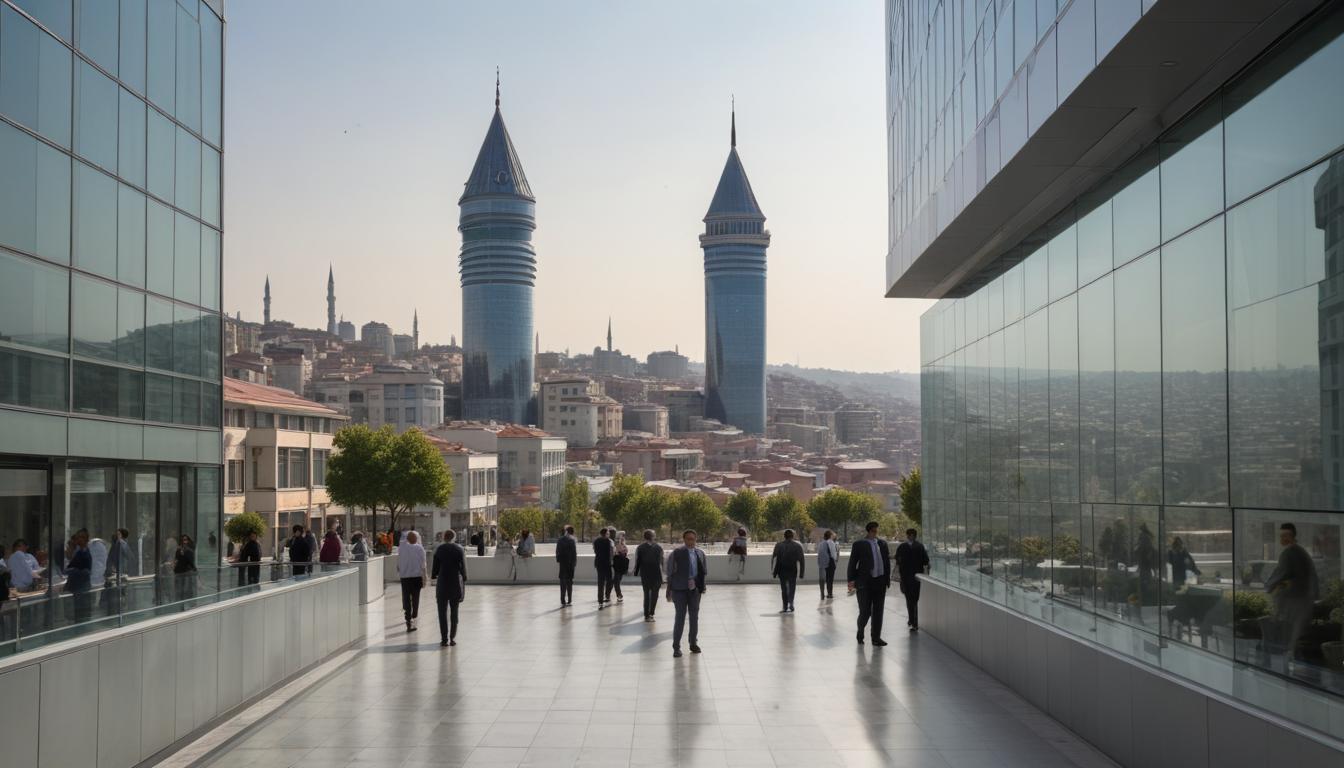
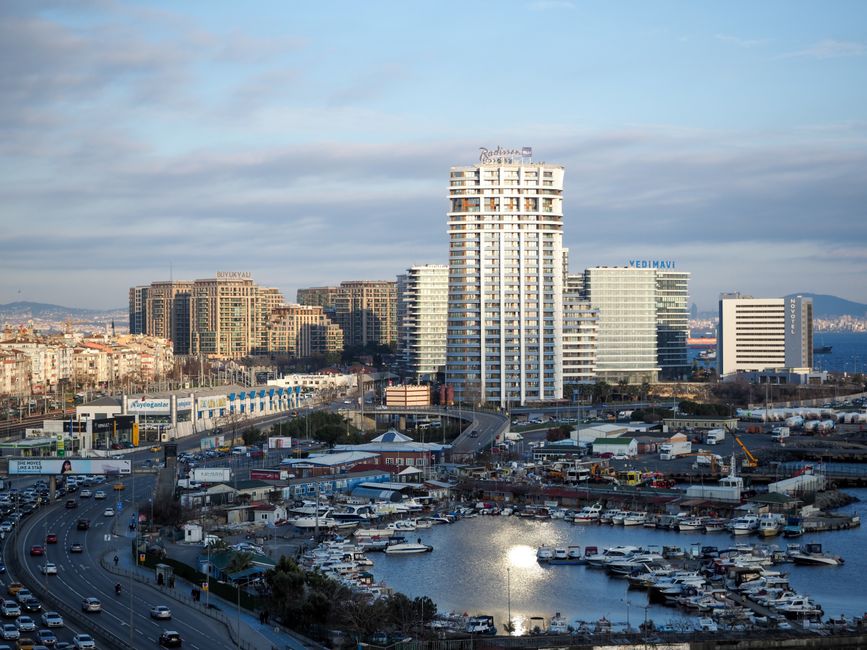
Walk through the gleaming office parks of Maslak on any weekday morning and you'll notice a particular buzz among import-export firms. Their whiteboards are filled with new routes, their Zoom calls are booked solid, and their profit forecasts have been revised upward. Istanbul's trading community is experiencing what many describe as a rare window of opportunity.
Turkey's geographic position—straddling Europe and Asia, with access to the Black Sea and Mediterranean—has always been valuable. But the past eighteen months of global supply chain reconfiguration have transformed that advantage from theoretical to immediately profitable. Several major logistics operators based in Beyoğlu and around the Port of Haydarpasa report that container volumes have surged 23 percent year-on-year, with contract values up substantially.
The beneficiaries are not uniformly spread. Large established players—particularly those with existing relationships in Central Asia and the Caucasus—have captured the lion's share of new contracts. But a second wave of opportunity is opening for specialist operators. Digital freight platforms headquartered in Şişli, for instance, are experiencing rapid growth by helping mid-sized traders navigate these new corridors. One firm reported client numbers doubled in the past eight months.
"What's different now is the pace," explains Mehmet Yıldız, commercial director at a mid-sized trading house in Karaköy. "Three years ago, establishing a new trade route took months of relationship-building. Today, regulatory frameworks are shifting faster than ever." This creates both opportunity and risk—and those with agility are winning.
The real estate market has already reacted. Commercial space in Zeytinburnu, home to Istanbul's logistics cluster, is commanding premium rents. Warehouse availability has tightened. The Turkish Chamber of Commerce and Industry recently noted that 67 percent of its Istanbul-based members expect to expand operations within twelve months.
Not everyone is optimistic. Smaller traders without capital for expansion worry about being squeezed out. Currency volatility—the lira fluctuated 18 percent against the dollar in the first five months of 2026—creates pricing headaches. And some routes remain politically unstable, limiting their commercial viability.
Yet for those positioned correctly, Istanbul is experiencing something approaching a golden hour. The city's traders are rediscovering why their ancestors made it a global crossroads. The question is whether this window remains open long enough for the next generation to capitalize on it.
This article was compiled by AI from the sources linked above and screened before publishing. See our editorial standards.