Istanbul's commercial property market is experiencing a decisive shift. After three years of cautious consolidation, major corporations are now competing aggressively for premium office space in the city's established business corridors, and early movers in the development space are reaping substantial rewards.
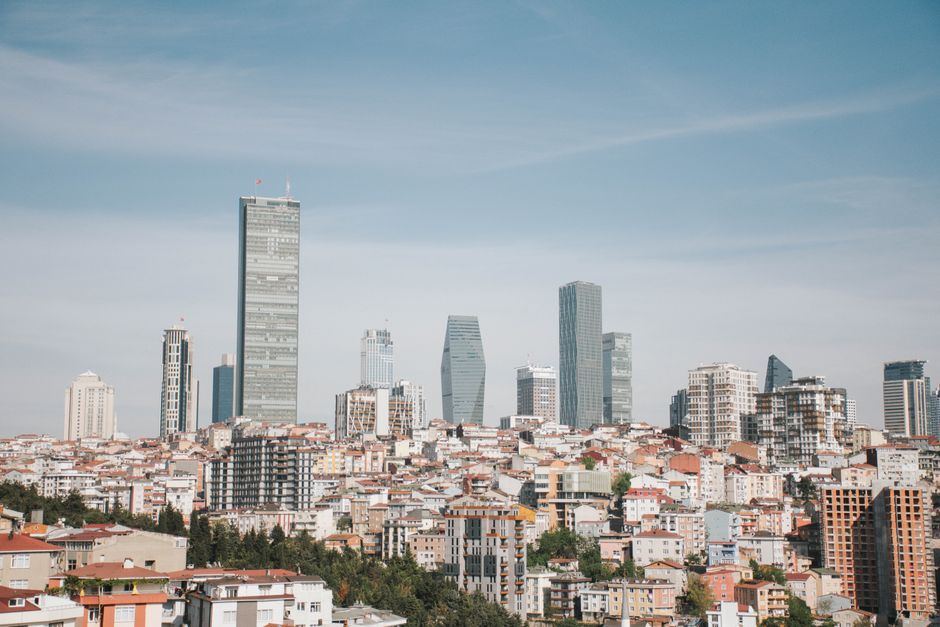
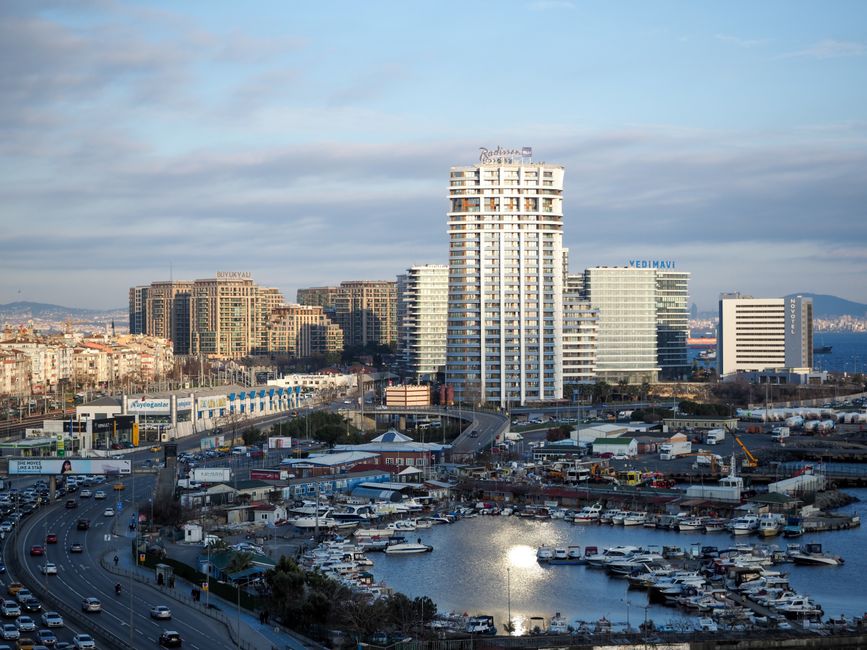
The trend reflects a broader geopolitical repositioning. As Western firms reassess supply chain dependencies and seek European footholds outside traditional hubs, Istanbul—straddling continents and offering competitive operating costs—has emerged as an unexpected beneficiary. Leasing inquiries for Grade A office space along the Maslak corridor and in the Beşiktaş waterfront district have climbed 34 percent year-on-year, according to local commercial real estate trackers. Average asking rents in these zones now hover around $45–55 per square meter annually, still substantially below comparable London or Frankfurt properties.
The developers who positioned themselves early are now dominant. Established Turkish firms with existing portfolios in Maslak and Levent have secured major long-term leases from technology, financial services, and consulting sectors eager to establish or expand regional operations. Several have begun announcing second-phase developments, capitalizing on both their land holdings and their relationships with institutional investors who have grown confident in Istanbul's stability.
What makes this moment distinct is the scale of institutional capital entering the market. Global real estate investment trusts, particularly those with Middle Eastern and Asian backing, have begun acquiring both completed commercial buildings and shovel-ready sites. One recent transaction involved a $180 million acquisition of a mixed-use development site in the Sarıyer district, signaling confidence in the broader market fundamentals.
The implications for Istanbul's business landscape are tangible. Companies that secure modern, sustainably designed office space in prime locations gain competitive advantage in talent recruitment—critical for roles requiring multilingual professionals. Developers gain leverage to negotiate favorable terms with municipal authorities. Meanwhile, traditional office landlords in secondary zones face pressure to modernize or risk sustained vacancy.
The window for entry-level participants narrows yearly. Available land parcels suitable for Grade A development in Maslak and northern Beşiktaş are finite and increasingly expensive. Smaller operators are pivoting toward renovation of existing mid-range stock or secondary districts like Ümraniye and Pendik, where younger firms and startups are beginning to cluster.
For observers of Istanbul's business evolution, the message is clear: the commercial property market is no longer a speculative play on distant potential. It is a live, competitive arena where timing, location, and institutional relationships determine winners and losers.
This article was compiled by AI from the sources linked above and screened before publishing. See our editorial standards.