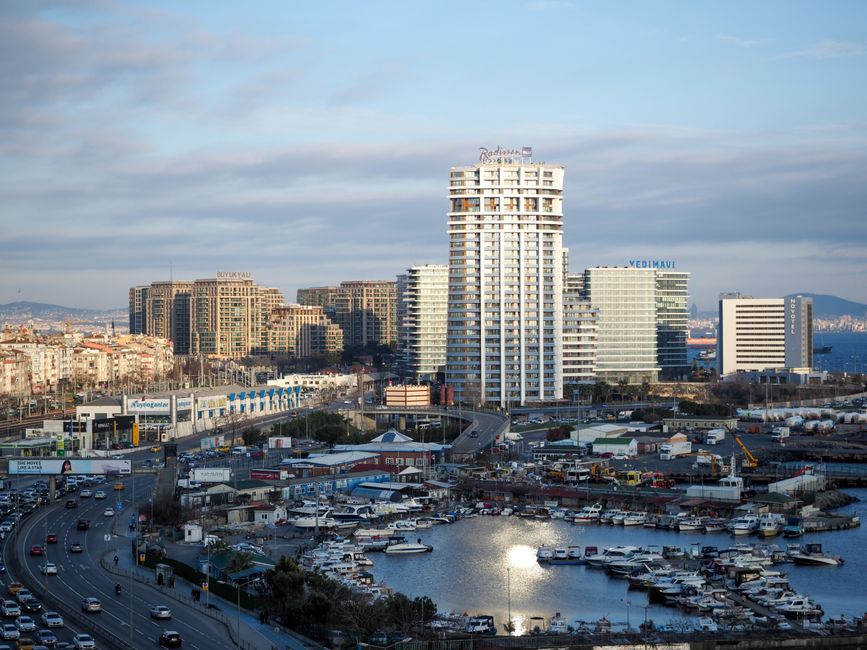
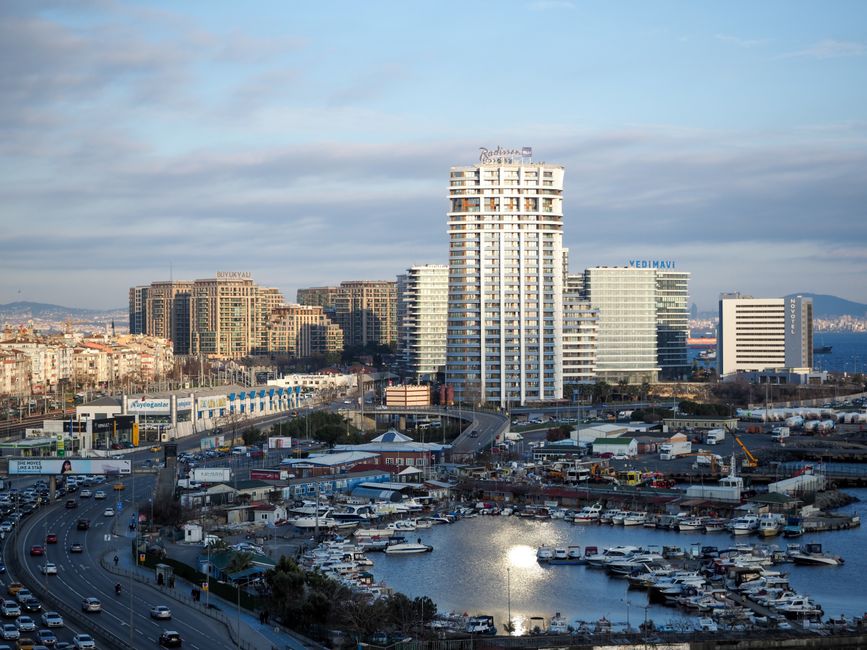
The transformation of Istanbul's commercial property landscape over the past three years has been nothing short of dramatic. Office vacancy rates have plummeted from 12% to 6.8% across premium districts, while average per-square-metre rental prices in Levent and Maslak have climbed to $45-55 annually—a 28% increase since 2023. Yet amid this competitive frenzy, one local entrepreneur has managed to carve out a commanding position by betting on flexibility when others were chasing premium glass towers.
Emre Kaya's journey began modestly in 2019 from a converted warehouse space near Taksim Square. What started as a single 2,000-square-metre co-working hub has evolved into a network of nine locations stretching across Beyoğlu, Şişli, Kadıköy, and the emerging tech corridor in Eminönü. His company, Workspace Istanbul, now manages approximately 15,000 square metres of flexible office inventory and counts over 340 active tenants—from fintech startups to established insurance firms seeking satellite offices.
"The traditional long-term lease model wasn't working for the market we were seeing," explains the rationale behind Kaya's expansion model, as reflected in industry discussions. The flexible office sector in Istanbul has grown at a compound annual rate of 18% since 2022, significantly outpacing conventional office leasing growth of just 4.3%. Major international operators like WeWork and Regus established footholds here, yet Kaya's deep understanding of local business culture and lighter capital requirements have allowed his outfit to compete effectively.
His strategy proved particularly prescient following the 2023 earthquake aftermath, when many companies needed temporary, scalable solutions. Workspace Istanbul's ability to offer month-to-month terms and varied space configurations—from hot-desking at ₺3,500 monthly to private suites exceeding ₺80,000—positioned the firm as a stability provider during uncertainty. Industry contacts note that occupancy across the sector averages 82%, but Kaya's properties consistently maintain rates above 88%.
The commercial property sector has watched closely as Kaya announced plans for three additional locations by 2027, including a flagship 4,000-square-metre conversion of a historic Ottoman-era building in Balat—a neighbourhood experiencing accelerating commercial gentrification. This project underscores a broader trend: younger entrepreneurs are succeeding by blending Istanbul's architectural heritage with modern business requirements.
Real estate consultancies tracking the market suggest that flexible office operators now control approximately 12-14% of Istanbul's premium office stock, up from negligible presence five years ago. Kaya's trajectory mirrors this sector-wide momentum, yet his local roots and entrepreneurial agility distinguish him from multinational competitors. As Istanbul positions itself as a regional business hub rivalling Dubai and Singapore, players like Kaya are reshaping how the city's commercial real estate operates.
This article was compiled by AI from the sources linked above and screened before publishing. See our editorial standards.