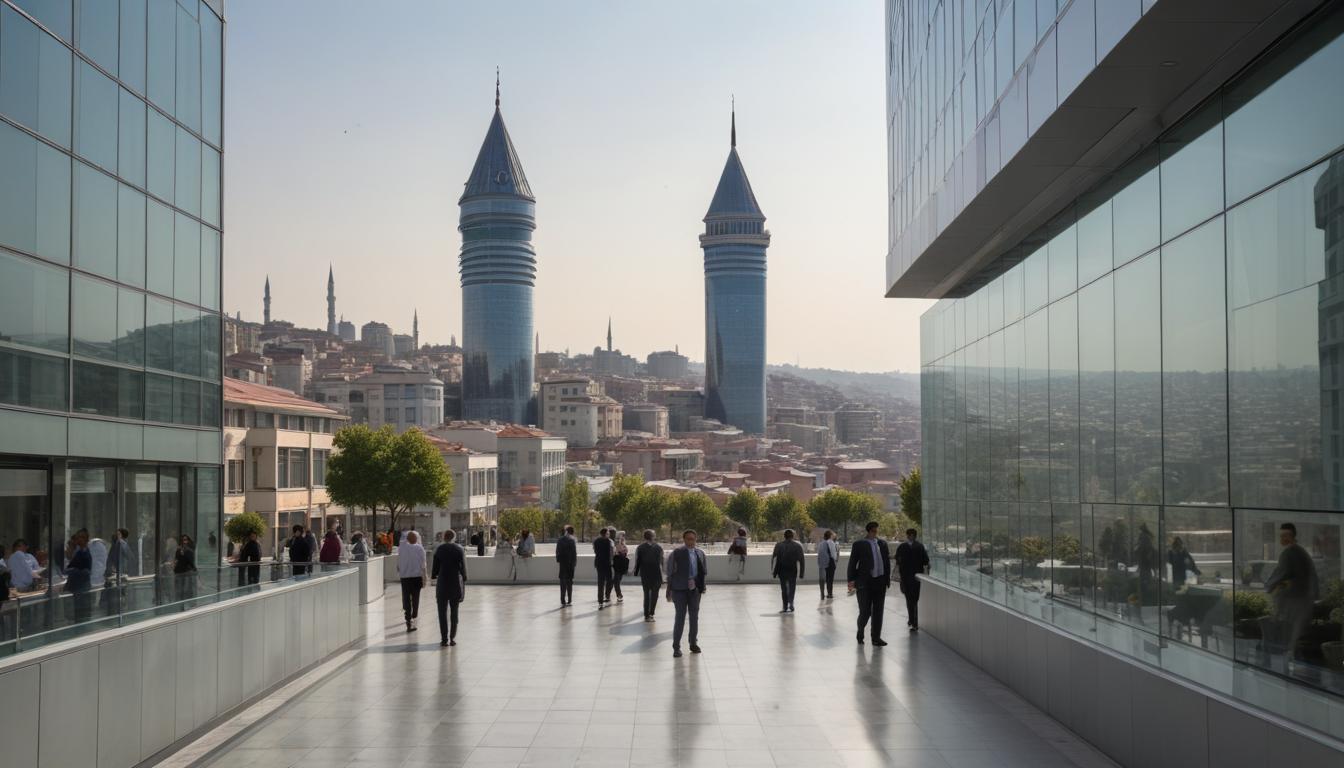
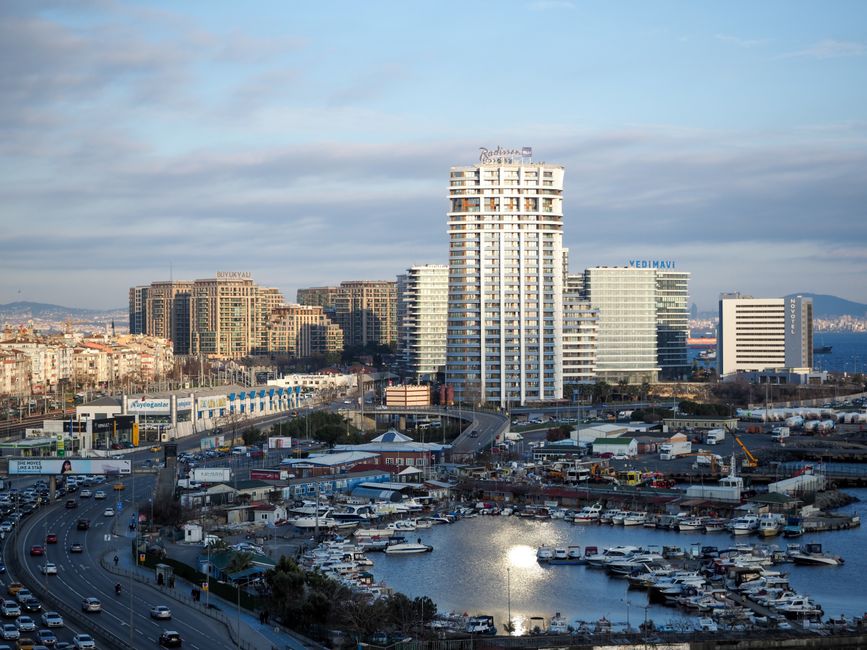
How Global Turbulence Is Reshaping Istanbul's Office Market
Geopolitical uncertainty and shifting US policy are forcing local commercial property developers to rethink expansion strategies across Levent and Maslak.
Geopolitical uncertainty and shifting US policy are forcing local commercial property developers to rethink expansion strategies across Levent and Maslak.
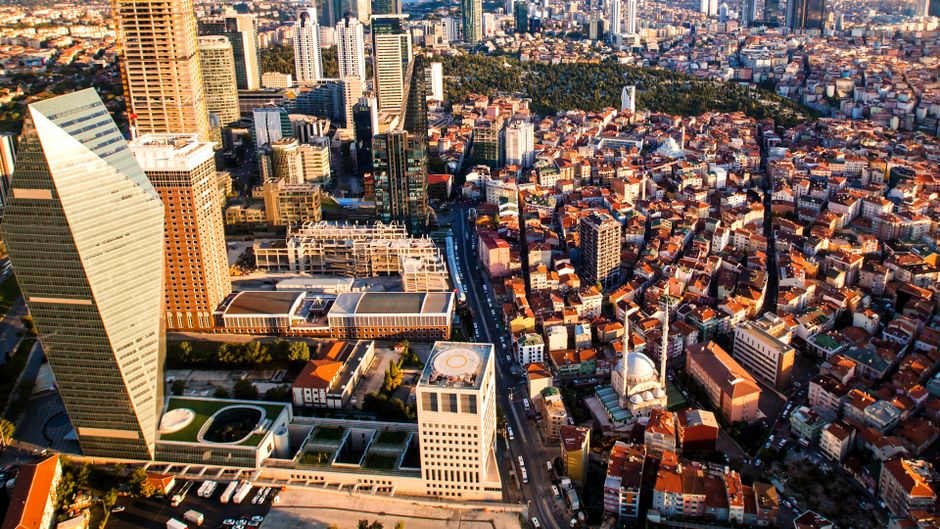
Istanbul's commercial property market faces an unexpected headwind this month as international investors reassess their exposure to emerging markets amid deepening geopolitical tensions. The ripple effects are already visible on the ground, with several major office projects in the city's prime business districts experiencing delays or revised pricing strategies.
The most immediate pressure stems from currency volatility and sanctions concerns stemming from Middle Eastern tensions, which have spooked foreign capital flows into Turkey. Several multinational technology and financial services firms—typically anchor tenants in premium office towers—have postponed lease renewals in Levent and Maslak, Istanbul's traditional corporate heartland. According to local commercial property consultants, net absorption in Class A office space dropped 12 percent quarter-on-quarter, a significant shift from the robust 2024-2025 period.
"We're seeing multinational corporations pause their Istanbul expansion plans," explains the local commercial real estate sector, which tracks activity across Acibadem and the emerging Atasehir submarket. International firms are temporarily delaying decisions on additional square footage, citing earnings uncertainty tied to broader geopolitical unpredictability.
The impact extends beyond multinational corporations. Turkish-based companies are also cautious, particularly those with significant revenue tied to import-export sectors affected by changing US trade policies. Mid-market firms occupying space in the renovated Ottoman warehouses converted to office use in Beyoglu and Galata are reconsidering expansion timelines.
However, the slowdown presents opportunities for locally-focused service providers and tech startups. Several Istanbul-based software and fintech companies have accelerated their expansion into newly available office clusters, particularly in the more affordable Eyup and Besiktas areas, where rental rates have become more competitive. Demand for flexible workspace and coworking facilities—less capital-intensive than traditional leases—continues to rise, with providers reporting steady interest despite macro uncertainty.
Real estate developers are adapting by diversifying tenant portfolios and emphasizing Istanbul's strategic position as a bridge between Europe and Asia. Some are incorporating mixed-use elements into new projects, blending office space with retail and hospitality components to attract both multinational and domestic tenants.
The consensus among property professionals is cautious optimism. While short-term headwinds from global uncertainty are undeniable, Istanbul's fundamentals—a young, educated workforce, improving infrastructure, and geographic advantages—remain compelling. The next 12-18 months will test whether local developers can successfully weather this period of international volatility and capitalize on pent-up domestic demand.
This article was compiled by AI from the sources linked above and screened before publishing. See our editorial standards.
How does this story make you feel?
Spread the word
About this article
Published by The Daily Istanbul
Daily brief
Free, in your inbox before 7am. Weekdays.
More in Business