Istanbul's Job Market Shift: What Your Wallet Needs to Know
As automation reshapes employment across Turkey's largest city, residents face both rising costs and changing career demands—here's what it means for your household budget.
As automation reshapes employment across Turkey's largest city, residents face both rising costs and changing career demands—here's what it means for your household budget.
Walk through Taksim or Beşiktaş and you'll notice something that isn't always captured in national employment statistics: Istanbul's job market is undergoing a fundamental restructuring that directly affects what everyday residents earn and spend.
Over the past eighteen months, the city has seen significant automation in retail and logistics, particularly across the sprawling warehouse districts in Pendik and Gebze. Several major e-commerce operations have introduced new sorting and fulfillment technologies, reducing demand for entry-level warehouse positions even as the sector itself grows. For households relying on these traditionally accessible jobs, the message is clear: basic logistical work now often requires technical training.
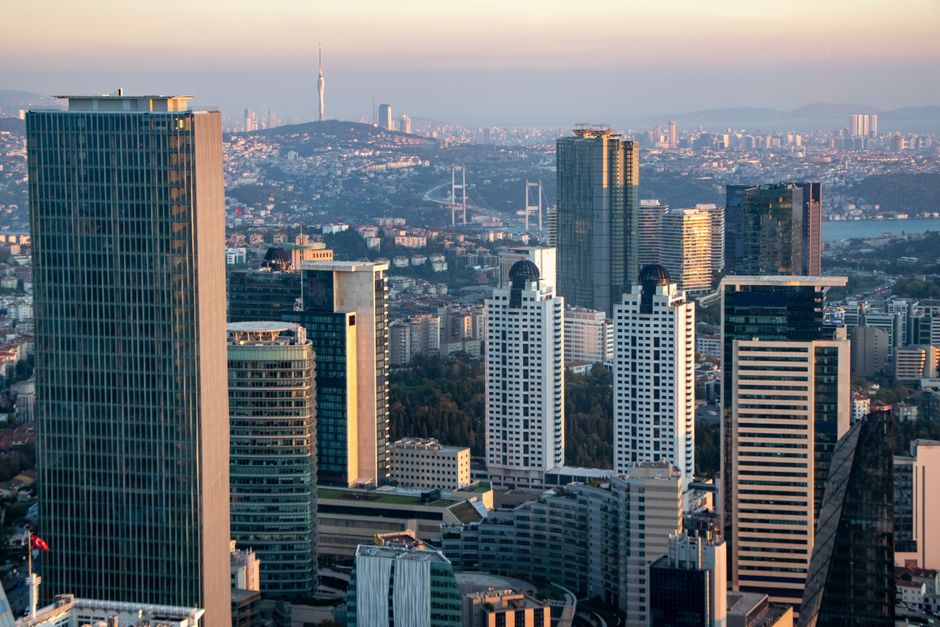
Simultaneously, white-collar demand is concentrated increasingly in specific neighbourhoods. Companies continue clustering around Maslak's business parks and along the European side's financial corridor, meaning commute costs from affordable residential areas like Bahçelievler or Gaziosmanpaşa have become a genuine household expense. Public transport fare increases—now at 15 lira for a single journey—add roughly 600 lira monthly for daily commuters, a meaningful figure when average entry-level office salaries in Istanbul hover around 35,000-40,000 lira.
The service sector tells another story. Hospitality and tourism roles in Sultanahmet and around the Grand Bazaar remain plentiful but increasingly precarious. Seasonal fluctuations mean stable year-round employment is harder to find, forcing workers to juggle multiple part-time positions. This flexibility appeals to some, but creates budgeting challenges for families requiring predictable income.
What's particularly important for residents to understand: skill gaps are widening. Digital literacy and English proficiency now separate candidates earning 50,000+ lira from those capped at 30,000. Technical training programs, whether through Istanbul's vocational schools or private institutions, represent necessary investments for many households—but these aren't free, adding pressure to already stretched family budgets.
The construction sector, traditionally a major Istanbul employer, continues cycling between boom and consolidation. Current slowdowns in residential development have reduced opportunities in Beyoğlu and newer areas like Başakşehir, pushing some workers toward longer daily commutes or career transitions.
For everyday residents, the practical takeaway is this: employment stability increasingly depends on continuous skill development. Whether you're job-hunting, budgeting household expenses, or planning your children's education, understanding that Istanbul's economy is shifting toward higher-skill, higher-credential roles should inform your decisions today.
This article was compiled by AI from the sources linked above and screened before publishing. See our editorial standards.
How does this story make you feel?
Spread the word
About this article
Published by The Daily Istanbul
Daily brief
Free, in your inbox before 7am. Weekdays.
More in Business