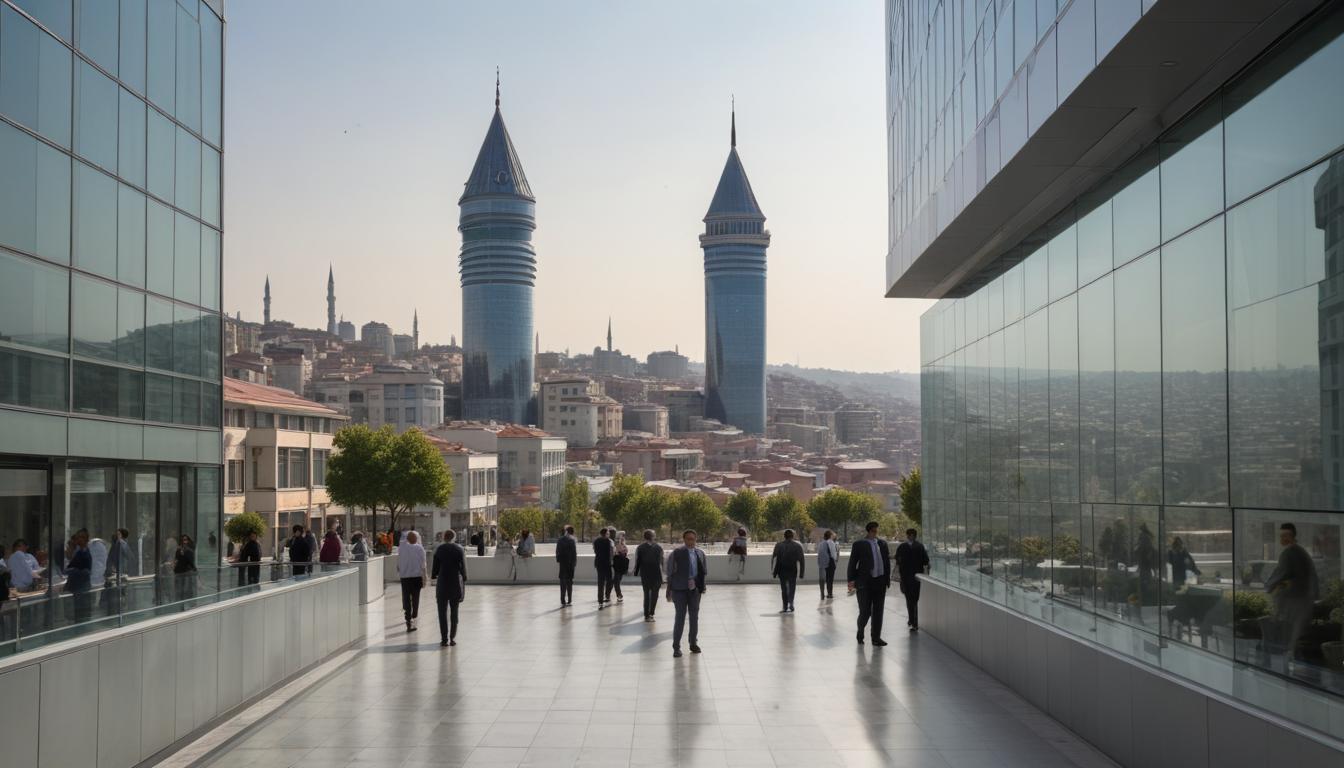
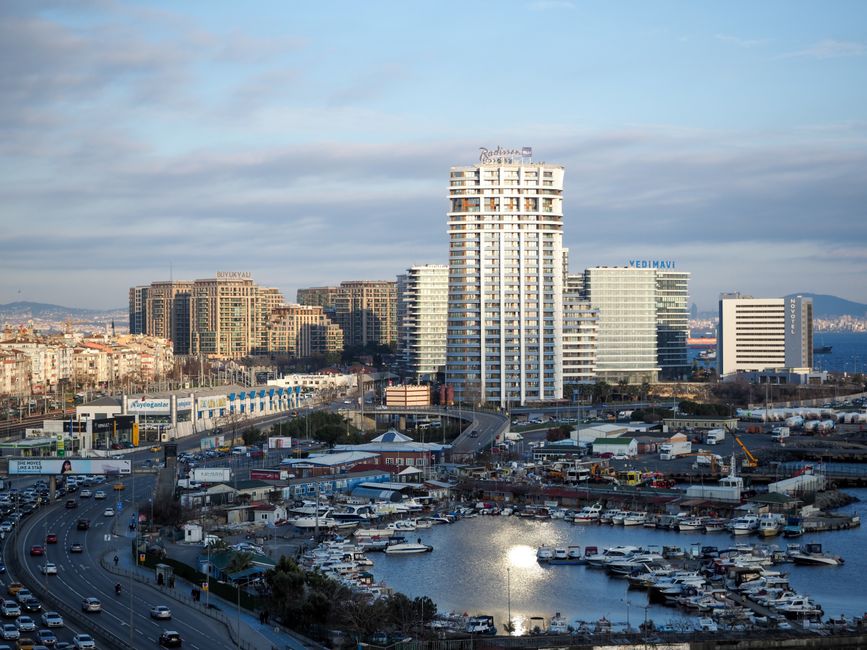
Istanbul's commercial property market is undergoing a tectonic shift that is reshaping where—and how—tens of thousands of white-collar workers spend their days. The trend is unmistakable: multinational firms and homegrown tech companies are abandoning traditional office clusters around Levent and Maslak for purpose-built campuses in Pendik, Ataşehir, and the emerging Başakşehir corridor. Those who recognised the pattern early are now reaping the rewards.
Data from Istanbul's Chamber of Commerce suggests that office take-up in peripheral zones has grown by roughly 28 per cent year-on-year, whilst vacancy rates in Levent—historically the city's premier business address—have climbed to their highest level in a decade. Asking rents in the traditional centre hover around $25–28 per square metre monthly, yet developers offering flexible, modular spaces with integrated amenities in newer districts are commanding comparable or superior prices.
The driving factors are clear: remote work normalisation has fundamentally altered how companies view real estate. A sprawling, walkable campus with on-site cafés, gyms, and collaborative zones now outperforms a glass box in a 35-year-old tower. Younger firms—particularly software developers and fintech outfits clustered around the Inovasyon Hub near Ataşehir—have become migration anchors, attracting adjacent service providers and spurring secondary investment.
Established property groups and Turkish conglomerates with development arms have been quickest to pivot. Several major projects in Pendik, marketed as 'work-live-play' destinations with residential components and retail precincts, are already 60–70 per cent pre-leased, according to market observers. Smaller, more nimble operators—including local family offices and boutique real estate firms—have also thrived by acquiring land early in Başakşehir and Bahçelievler, where property values have appreciated 15–20 per cent in eighteen months.
The transition does carry risks. Over-supply looms if developers misjudge demand, and companies may yet reverse course if macroeconomic conditions deteriorate. Yet for now, the winners are clear: those with capital and foresight to position themselves ahead of the exodus are capturing a generational opportunity.
The question facing Istanbul's property establishment is not whether this shift will stick, but who among the remaining players will adapt quickly enough to compete.
This article was compiled by AI from the sources linked above and screened before publishing. See our editorial standards.