Istanbul's Small Business Owners Face Perfect Storm of Rising Costs and Shrinking Margins in 2026
From Beyoğlu to Kadıköy, entrepreneurs report unprecedented pressure on cash flow as energy bills, rent and labour costs outpace customer spending.
From Beyoğlu to Kadıköy, entrepreneurs report unprecedented pressure on cash flow as energy bills, rent and labour costs outpace customer spending.
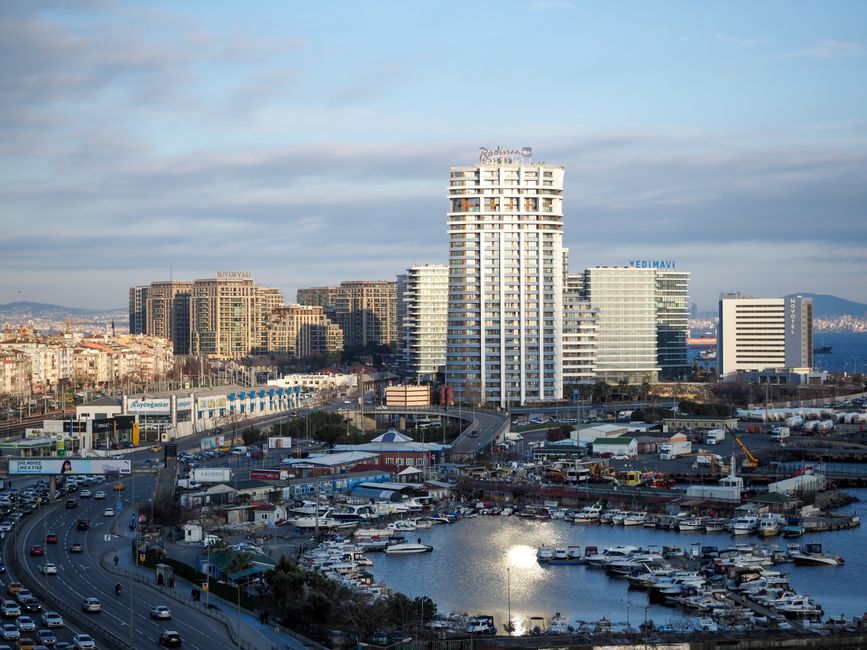
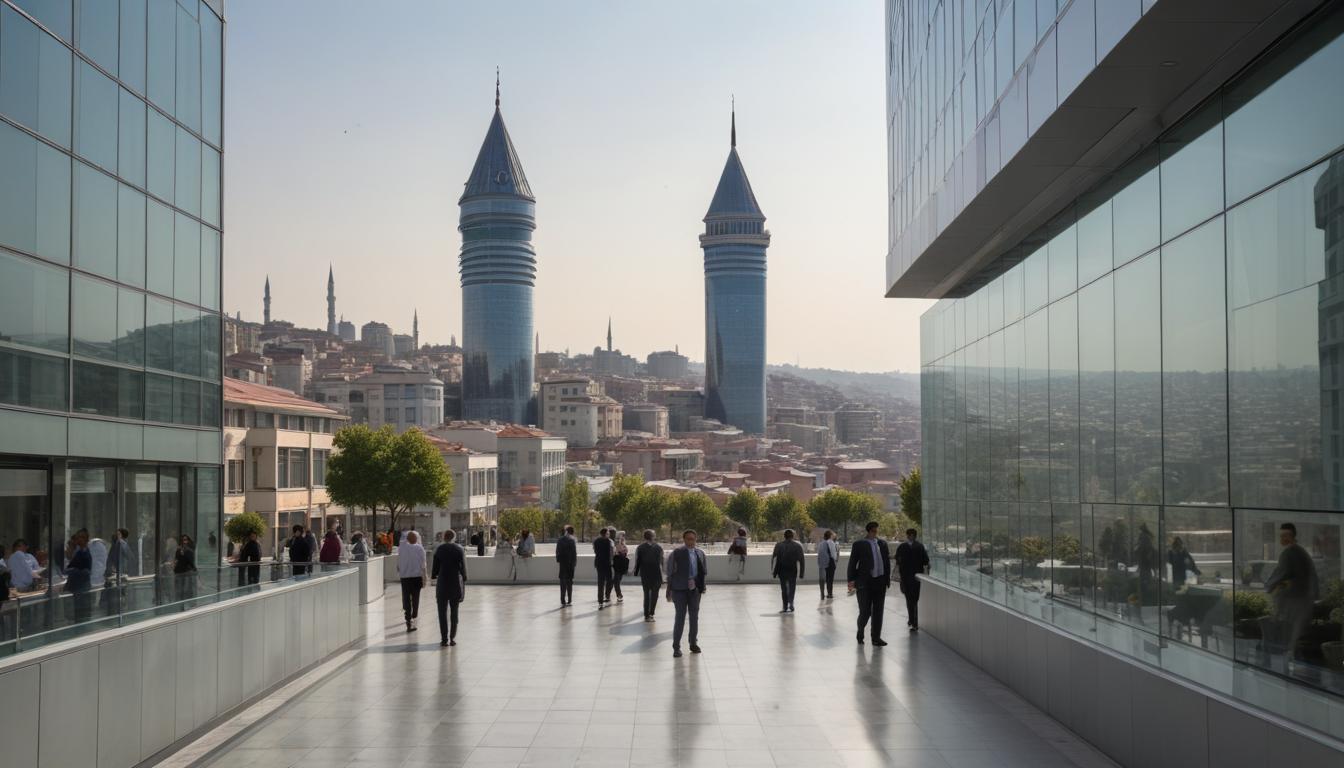
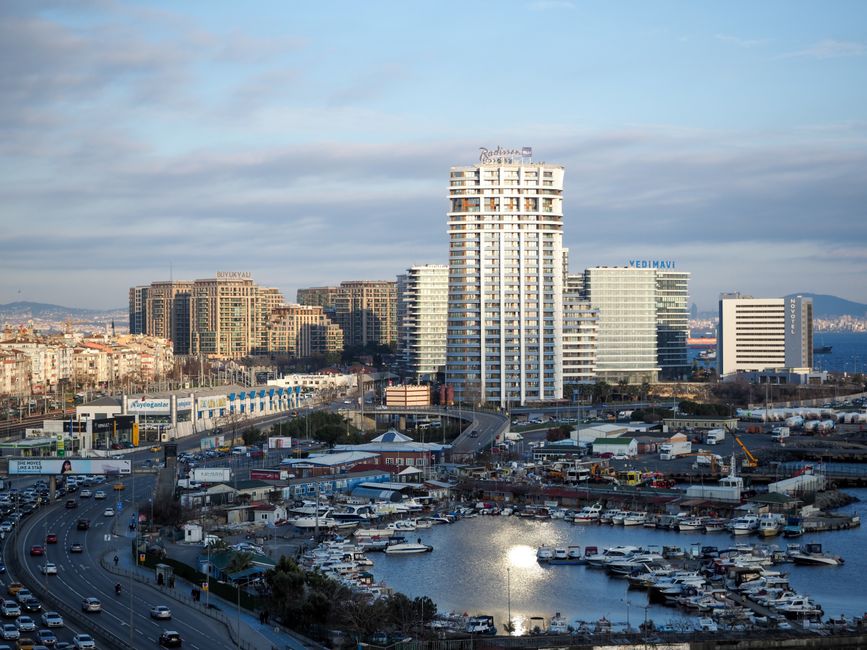
Walk along İstiklal Caddesi on a Tuesday afternoon and the buzz feels as alive as ever—but behind the shutters of independent boutiques, family-run restaurants, and craft studios, a different story emerges. Istanbul's small business community is navigating what many describe as the toughest operating environment in a decade, squeezed between soaring operational costs and customers pulling back on discretionary spending.
The pressures are tangible and measurable. Commercial rent in prime neighbourhoods like Beyoğlu has climbed 18-22% year-on-year, while energy costs for small retailers have jumped roughly 35% since January alone, according to data from the Istanbul Chamber of Commerce. A modest café operator in Galata now pays approximately 85,000 TL monthly for a 60-square-metre space—double what they paid three years ago.
"Our coffee margins have always been tight, but now our utility bills are eating into what we make on each cup," says one café owner in the Karaköy district, speaking on condition of anonymity due to concerns about landlord relations. Similar complaints echo across service sectors. Wage pressures compound the problem: skilled workers in hospitality and retail are demanding 25-30% pay increases to offset their own cost-of-living challenges.
The headwinds extend to supply chains and credit access. Wholesale food prices for restaurant operators have risen sharply, while small manufacturers in the Eyüpsultan industrial zone report that securing affordable working capital has become increasingly difficult. Banks have tightened lending criteria, making it harder for unestablished or marginal businesses to refinance inventory or expansion plans.
Consumer behaviour is shifting too. Foot traffic data from retail associations suggests that shoppers in Şişli and Kadıköy are increasingly selective, visiting fewer times per month and spending less per transaction. Tourism-dependent businesses face unpredictable volatility following geopolitical developments affecting international visitor flows.
Yet there are bright spots. Some entrepreneurs are finding opportunity in the crisis—repositioning toward value offerings, digitising operations via Instagram and delivery platforms, or clustering with peers to share overhead. Incubators and small business support organisations like TOSYÖV are reporting record attendance at cost-management workshops.
The consensus among Istanbul's business community is clear: 2026 will separate the adaptable from the fragile. Those with reserves, flexibility, and willingness to innovate may emerge stronger. Those operating on thin margins with little room for error face a genuinely precarious year ahead.
This article was compiled by AI from the sources linked above and screened before publishing. See our editorial standards.
How does this story make you feel?
Spread the word
About this article
Published by The Daily Istanbul
Daily brief
Free, in your inbox before 7am. Weekdays.
More in Business