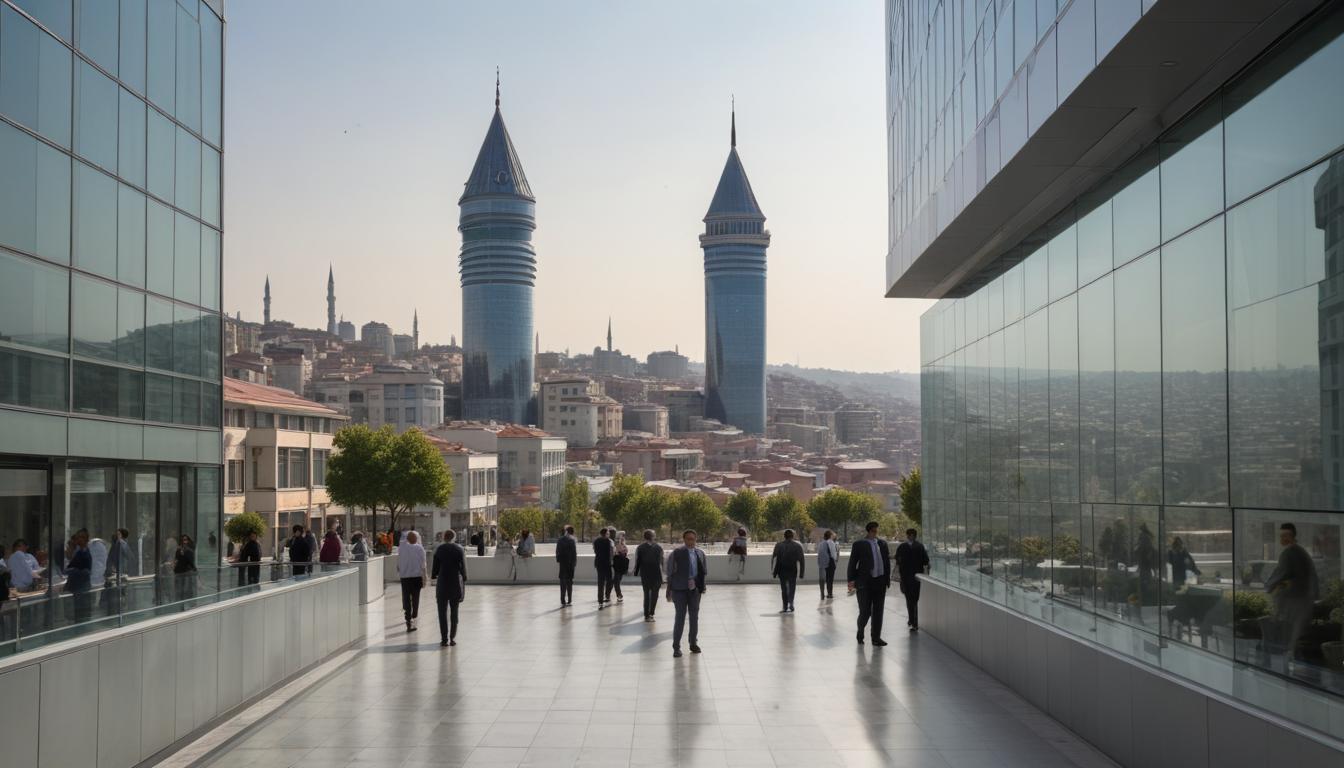
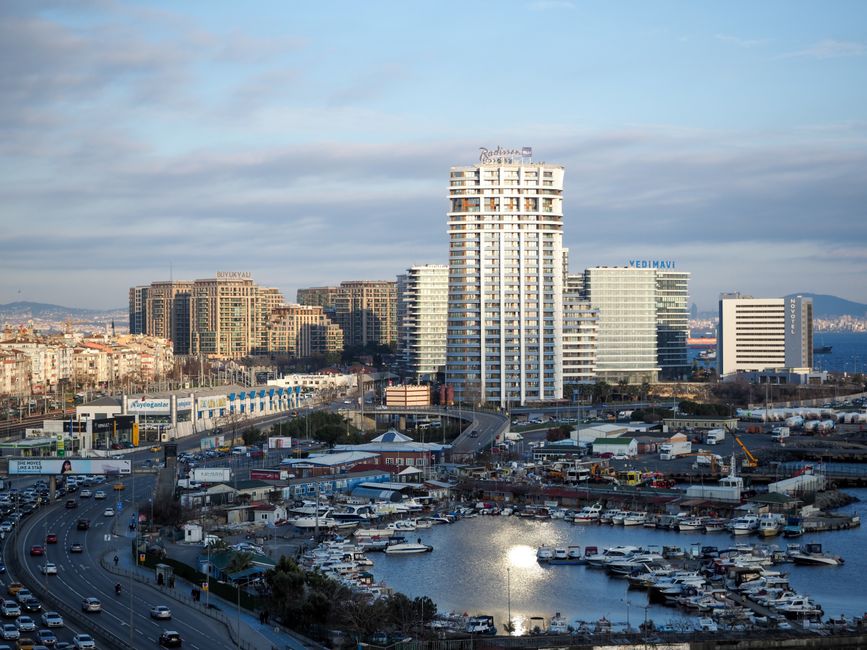
Istanbul's business landscape is experiencing a pivotal recalibration. As we move through mid-2026, companies operating across Levent's corporate towers, Maslak's financial district, and the emerging startup clusters in Beşiktaş face mounting pressures that demand immediate strategic attention.
The most pressing concern remains cost inflation. Office rental in prime business zones has climbed steadily, with Grade-A space in Levent now commanding €25-28 per square metre monthly—a 12% increase from early 2025. Meanwhile, commercial property in the Kadıköy waterfront area, increasingly popular with tech firms, has seen similar trajectories. For businesses operating multiple locations, this translates to substantial budget realignment.
Labour costs compound the challenge. Skilled professionals in Istanbul's financial and technology sectors are demanding higher salaries, reflecting both competitive poaching and cost-of-living pressures. Manufacturing-adjacent businesses sourcing materials through Istanbul's ports face elevated logistics expenses, as fuel costs and port tariffs remain elevated compared to pre-pandemic baselines.
Currency volatility continues to create headwinds for companies with international exposure. Those with dollar-denominated revenues or foreign investment backing should reassess hedging strategies. The Turkish lira's fluctuations have created both risks and opportunities—particularly for export-oriented enterprises and those seeking foreign capital.
However, opportunities exist for astute investors. The Istanbul Stock Exchange and emerging fintech platforms show strong activity, particularly in logistics technology and e-commerce infrastructure. Commercial real estate in secondary neighbourhoods like Acibadem and Maltepe offers better value propositions than established financial districts, attracting businesses seeking to balance location prestige with cost control.
Small and medium enterprises should prioritise cash flow management above expansion ambitions. Lenders remain cautious, and borrowing costs reflect broader economic uncertainty. Several Istanbul-based business associations report that firms securing finance are those demonstrating robust operational metrics and clear profitability pathways.
The consensus among Istanbul Chamber of Commerce advisers: flexibility is paramount. Businesses that built operational redundancy—diversified supply chains, remote-capable workforces, multi-currency revenue streams—are weathering current pressures more effectively. Investment decisions should prioritise essential infrastructure and talent retention over speculative expansion.
Looking ahead, mid-market enterprises should anticipate another 6-8% operational cost increase through year-end. Strategic planning committees meeting at venues around Galata Tower and along the Bosphorus business corridors are increasingly focused on efficiency gains rather than aggressive growth. That cautious posture, while less exciting than bull-market expansion, may prove the defining competitive advantage in Istanbul's current market environment.
This article was compiled by AI from the sources linked above and screened before publishing. See our editorial standards.