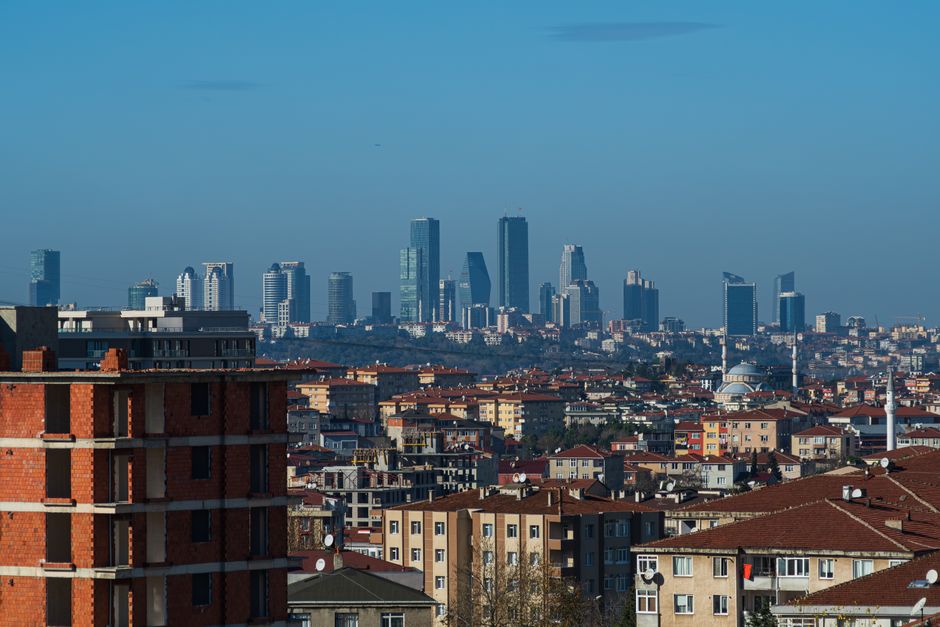
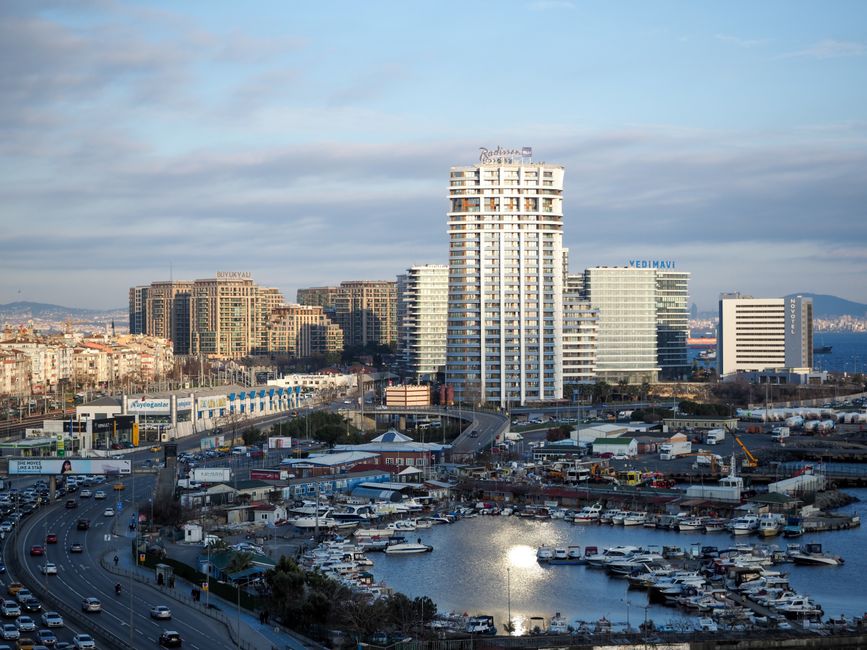
Istanbul's gleaming corporate towers in Levent and Maslak are experiencing a quiet but significant shift in how they approach talent acquisition. As international trade tensions continue to reshape global commerce—from tariff disputes to sanctions affecting regional commerce—major employers are fundamentally rethinking their hiring models and skill requirements in Turkey's largest business hub.
Over the past eighteen months, companies operating along Büyükdere Caddesi have begun prioritising digital competencies and supply-chain agility over traditional hierarchical roles. A survey conducted by the Istanbul Chamber of Commerce in Q1 2026 found that 67% of multinational firms with Turkish operations have expanded remote-work policies, compared to just 34% in 2023. The shift reflects a broader uncertainty: companies can no longer guarantee stable, location-dependent operations when trade routes and regulatory frameworks shift monthly.
The impact on Istanbul's labour market is pronounced. Salaries for logistics coordinators and supply-chain analysts—roles that were moderately compensated five years ago—have risen 18-22% annually. A mid-level supply-chain position at firms headquartered in the Maslak business district now commands 85,000-110,000 Turkish lira monthly, up sharply from comparable roles elsewhere in Turkey. Conversely, traditional administrative positions have stagnated or declined.
Recruitment agencies clustering around Taksim and Beşiktaş report a surge in demand for English-fluent professionals with experience in compliance, international regulations, and cross-border documentation. "We're seeing requests for people who can navigate tariff codes and sanctions frameworks," explains the hiring manager at one Nisantasi-based recruitment consultancy. "Five years ago, nobody asked for that. Now it's baseline."
Educational institutions have begun responding. Istanbul's major universities, including those near the Sarıyer campus area, have expanded programmes in international business law and trade policy. The Istanbul Technical University's engineering faculty has similarly ramped up courses in supply-chain resilience and alternative sourcing strategies.
Yet the trend creates winners and losers. Younger professionals with multilingual skills and adaptability thrive. Mid-career workers trained in legacy supply-chain models struggle. The Turkish Statistical Institute reports that job transitions in Istanbul's business services sector have accelerated 31% since 2024, indicating increased churn as workers seek roles better aligned with new market realities.
For Istanbul—historically a trade hub bridging Europe and Asia—the irony is sharp: renewed global protectionism has paradoxically elevated the city's importance as a logistics and compliance centre, but simultaneously made employment less stable and more competitive for those without specialised skills.
This article was compiled by AI from the sources linked above and screened before publishing. See our editorial standards.