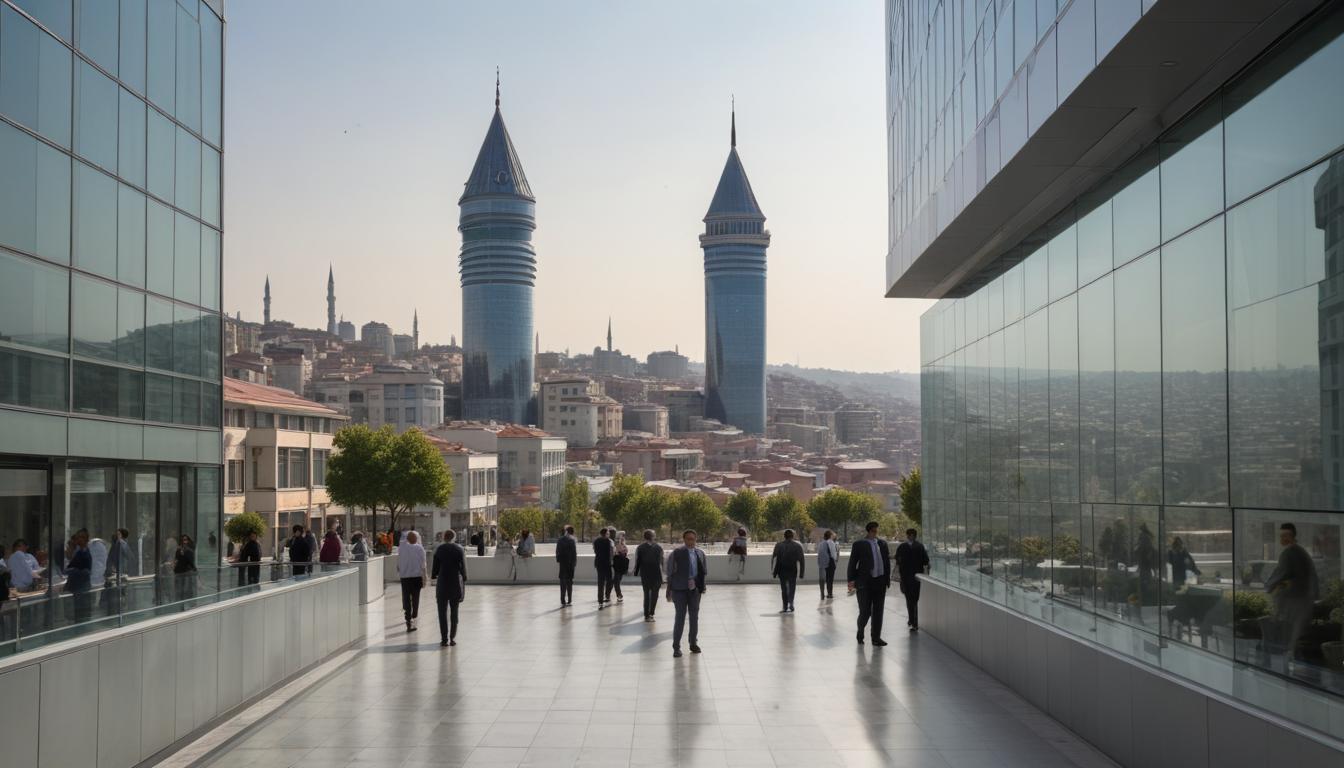
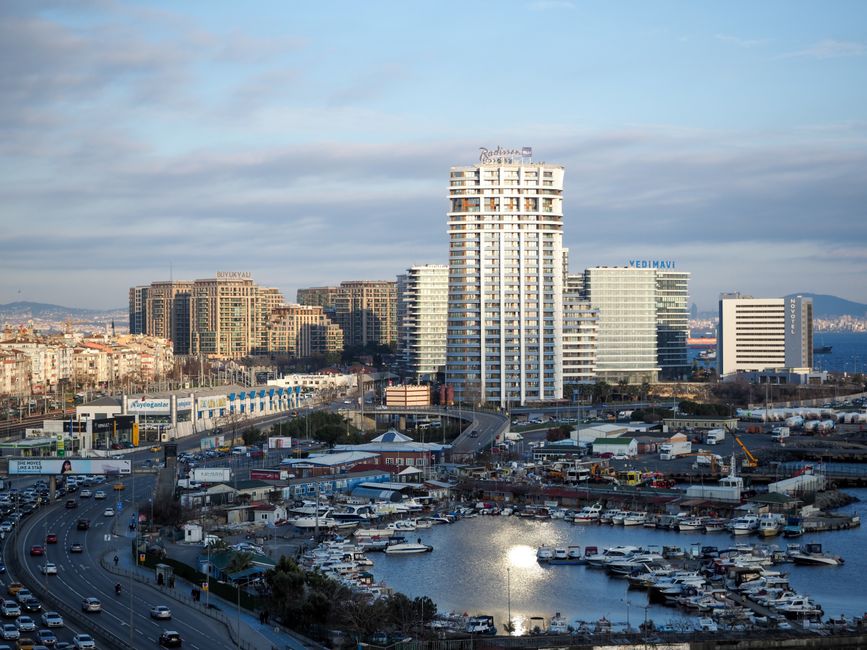
The numbers tell a story that's difficult to ignore. A one-bedroom apartment in Beyoğlu's coveted Cihangir neighbourhood now averages 450,000 Turkish lira (roughly €14,500) per square metre—a 28 percent increase year-on-year. Yet that same investment buys three times the space in the emerging Avcılar district on the European side, where prices hover around 150,000 lira per square metre. For international investors accustomed to London rents exceeding €3,000 monthly or Berlin's explosive appreciation, Istanbul presents an asymmetry too compelling to ignore.
The opportunity crystallised sharply in early 2026. Tech workers, particularly those employed by remote-first companies, began relocating en masse. A senior software engineer earning a San Francisco salary can secure a luxury apartment in Ortaköy, overlooking the Bosphorus, for less than €1,200 monthly—one-fifth of comparable Bay Area costs. Simultaneously, residential developers have responded aggressively. Projects in Pendik and Kartal, previously considered outer-ring neighbourhoods, are now featuring in international property portfolios as transit infrastructure improvements make commuting viable.
Property management firms along İstiklal Caddesi report a 67 percent surge in foreign inquiries since January. «We're seeing serious money from Netherlands, Germany, and Scandinavia,» notes industry analysts tracking sector momentum. The arbitrage is straightforward: purchase off-plan units in secondary locations at 140,000-160,000 lira per square metre, anticipate 15-20 percent appreciation within three years as infrastructure matures, then either rent to the inflowing international workforce or exit entirely.
Beneficiaries have already emerged. Developer networks operating in Başakşehir and Esenyurt are reporting 40 percent faster unit sales than 2024. Mid-tier hospitality operators are pivoting toward mid-stay apartment rentals, capturing the three-to-six-month visa window favoured by remote workers. Meanwhile, cafés and co-working spaces clustering around Galata and Karakoy are experiencing profitability margins unseen in established European markets.
Not everyone celebrates this shift. Rising rents in Beyoğlu and Balat—traditionally affordable artistic neighbourhoods—are displacing long-term residents. Local stakeholders worry that speculative foreign capital will hollow out Istanbul's character, transforming lived communities into investment vehicles.
Yet the structural economics appear durable. As Western European housing affordability deteriorates and Turkish monetary policy stabilises, Istanbul's cost-of-living arbitrage remains potent. Those who identified this gap early—particularly developers and hospitality entrepreneurs who moved decisively in 2024-2025—are now positioned to capture outsized returns during what analysts term the city's «inflection moment.»
This article was compiled by AI from the sources linked above and screened before publishing. See our editorial standards.