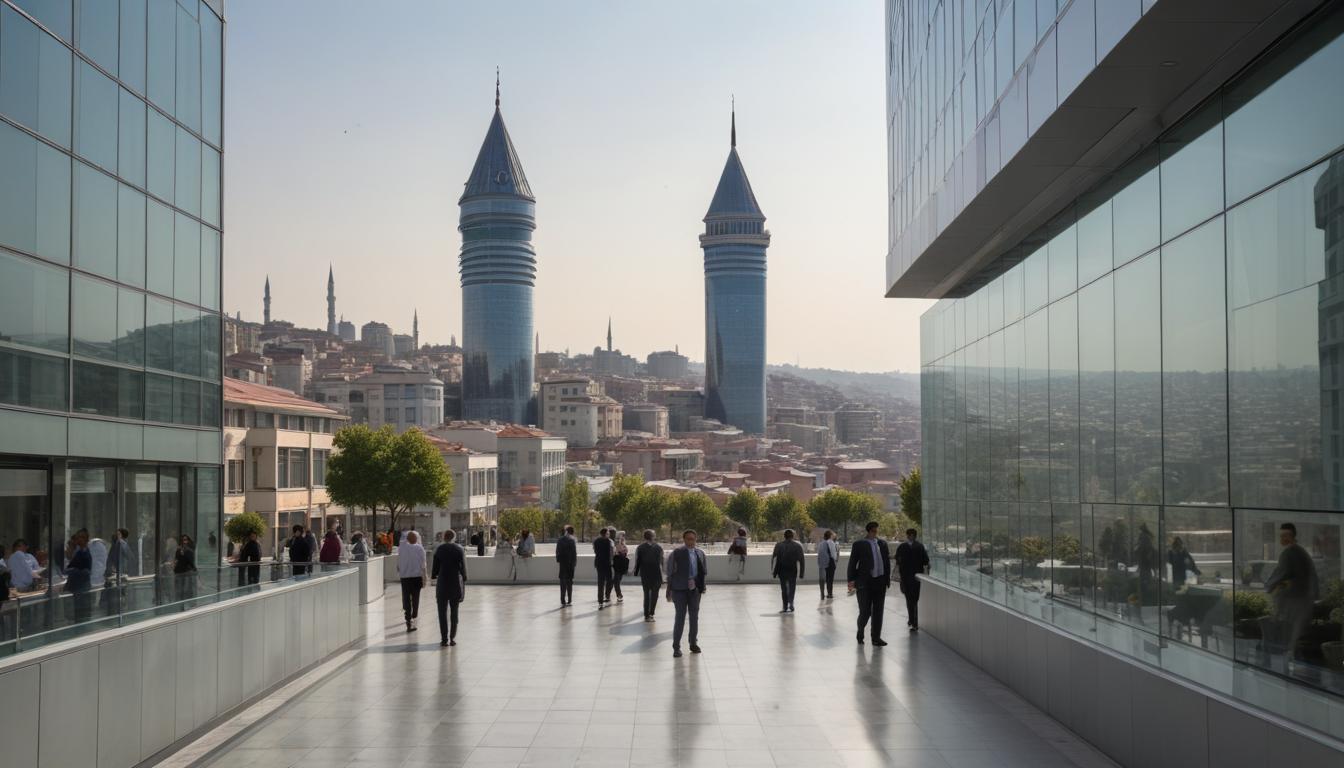
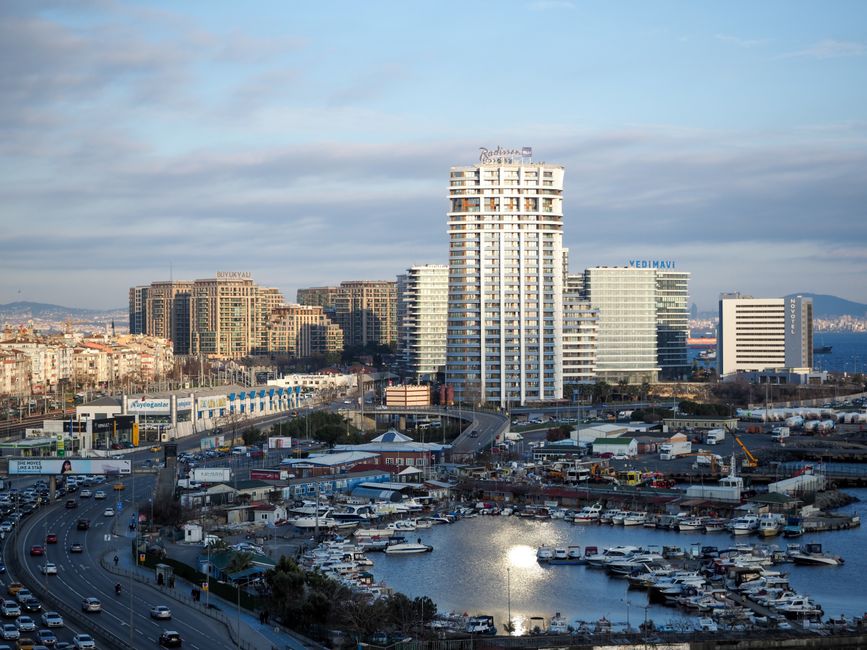
The glass-fronted co-working spaces along Istiklal Caddesi and the converted warehouses of Beyoğlu's startup quarter once hummed with the energy of a city reinventing itself as a tech hub. But six months into 2026, founders and investors working from these hubs are confronting a harsh reality: Istanbul's entrepreneurial moment may be stalling.
The numbers tell a sobering story. Venture funding into Turkish startups has contracted by 43 percent year-on-year, according to preliminary data from the Turkish Private Equity and Venture Capital Association. More concerningly, the outflow of technical talent shows no signs of slowing. LinkedIn data indicates that software engineers and product managers based in Istanbul are accepting overseas positions at rates 28 percent higher than in 2024, with destination cities including Dubai, Berlin and Singapore capturing disproportionate shares of departures.
"We've lost three senior developers to London-based fintechs in the past four months alone," says one founder of a Galata-based payments platform, speaking on condition of anonymity. "The salary arbitrage is brutal, and frankly, the uncertainty doesn't help."
That uncertainty stems from multiple sources. Regulatory clarity around cryptocurrency and blockchain—sectors that once accounted for roughly 18 percent of Istanbul startup funding—remains murky. Simultaneously, macro headwinds including currency volatility and inflation have made long-term hiring commitments riskier for bootstrapped or early-stage firms. Office lease costs in prime innovation zones like Beşiktaş and Levent have climbed 22 percent in nominal terms since early 2024, squeezing already-thin margins.
The ecosystem's institutional scaffolding is creaking too. Several accelerators and venture funds have wound down operations or consolidated, reducing the number of mentorship and capital deployment pathways available to founders. The Istanbul Technology Development Zone, once positioned as a flagship anchor, has seen slower-than-expected tenant acquisition.
There are isolated bright spots. Several deep-tech and B2B SaaS founders report steady progress, and some international investors remain bullish on Istanbul's mid-market opportunities. A handful of successful exits—including recent acquisitions by regional and European buyers—have kept some momentum alive.
Still, as the city's startup faithful gather for conferences and networking events across the summer, the conversation has shifted from exuberance about Istanbul's ascent to pragmatic questions about survival and repositioning. For a city that positioned itself as the bridge between Europe and Asia's innovation economies, 2026 represents a critical juncture.
This article was compiled by AI from the sources linked above and screened before publishing. See our editorial standards.