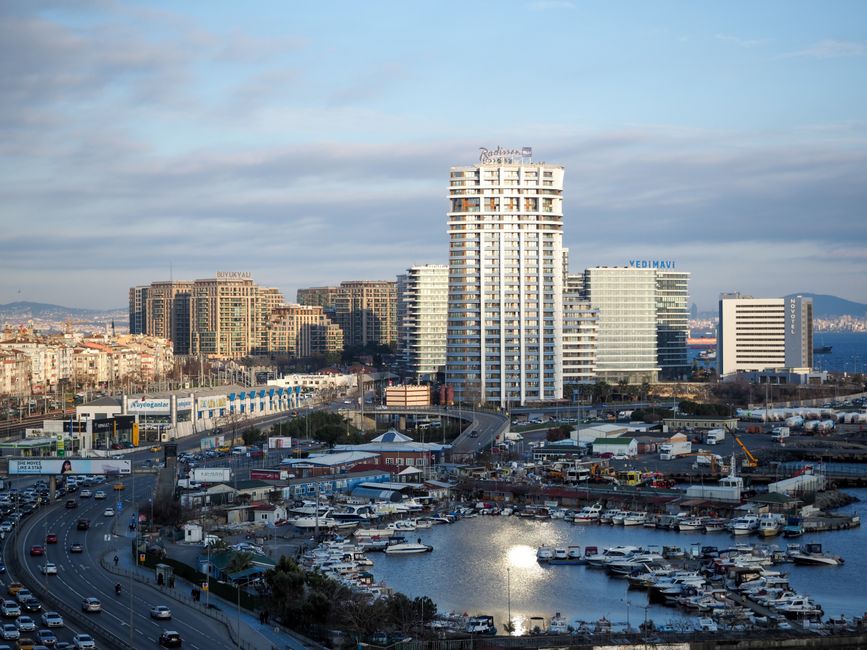
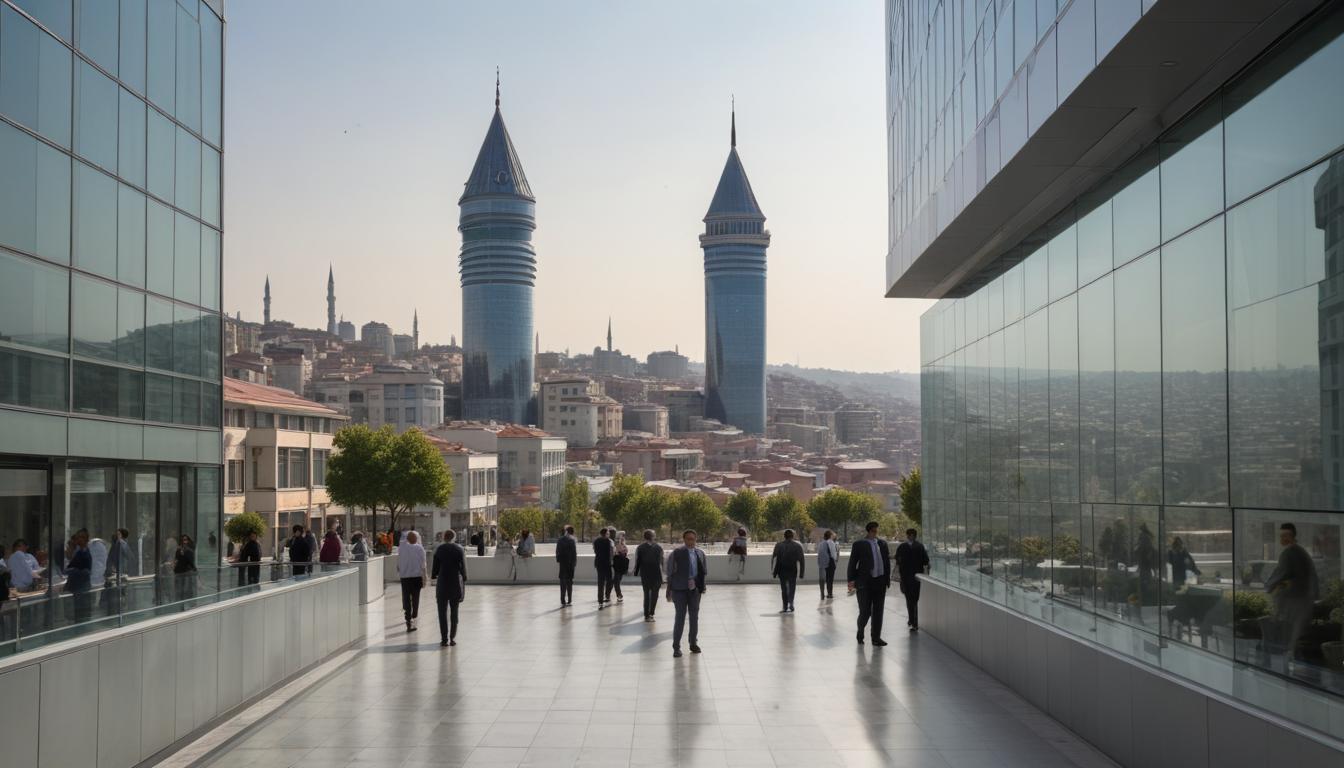
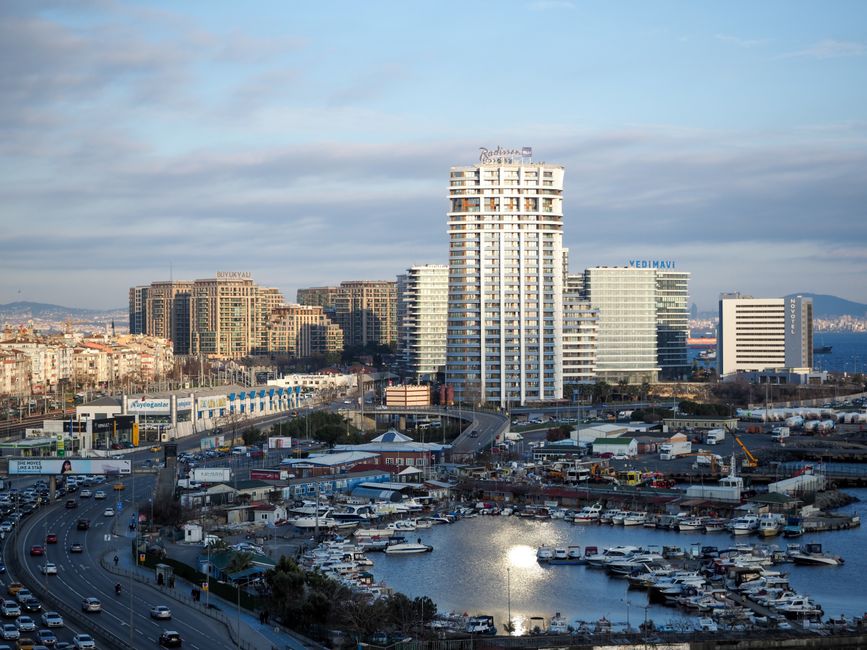
Walk through Galata's labyrinthine side streets or the converted lofts of Karakoy any weekday morning, and you'll notice something distinctly different from five years ago: coffee shops have become de facto co-working spaces, their tables occupied not by tourists but by freelance designers, social media managers, and e-commerce operators juggling three clients simultaneously on their laptops.
This shift reflects a seismic change in Istanbul's employment landscape. According to data from the Istanbul Chamber of Commerce, approximately 34,000 new micro-enterprises—defined as businesses with fewer than ten employees—registered in the metropolitan area during 2025, a 28 percent increase from 2023. Many are founded by professionals aged 25-40 who previously worked in marketing, tech, and creative sectors at multinational firms in Maslak's gleaming office parks.
"We're seeing a reverse migration of talent," explains labour market researcher Derya Çalışkan, director of the Istanbul Economic Research Institute. "People are leaving structured corporate environments not necessarily for higher pay, but for autonomy and flexibility. That's forcing traditional employers to fundamentally restructure their offerings."
The ripple effects are already visible. Major Turkish companies, from logistics firms to retail groups, now report difficulty filling mid-level management and specialist positions. Entry-level salaries have climbed nearly 18 percent in digital marketing and e-commerce roles since 2024—a direct consequence of talent scarcity. Real estate in proximity to business hubs has shifted too; monthly rent for small office spaces in Besiktaş and Sisli has increased by 12-15 percent, as entrepreneurs establish formal operations beyond their kitchen tables.
The entrepreneurship surge has also catalysed an ecosystem response. Co-working spaces like WorkSpot (with locations on Istiklal Street and near Taksim) report 89 percent occupancy rates. Mentorship platforms, accounting services, and digital compliance consultants have proliferated in neighbourhoods like Cihangir and Ortaköy, where startup density has become concentrated.
Yet challenges persist. Access to affordable financing remains constrained for non-tech ventures, and social security contributions for self-employed workers remain burdensome—currently 32.2 percent of declared earnings. Many micro-entrepreneurs still operate partially in the grey economy to manage costs.
Still, the momentum shows no signs of reversing. As Istanbul's young professionals increasingly bet on themselves, the city's traditional employment market must adapt—offering remote flexibility, equity participation, and purpose-driven roles to compete. The outcome will reshape not just who works where in Istanbul, but how work itself is structured across Turkey's largest metropolis.
This article was compiled by AI from the sources linked above and screened before publishing. See our editorial standards.