Supply Chain Shocks and Currency Swings: What Istanbul's Traders Must Watch in H2 2026
As geopolitical tensions ripple across key trade corridors, Istanbul's export-dependent businesses face a critical window to hedge bets and reposition inventory.
As geopolitical tensions ripple across key trade corridors, Istanbul's export-dependent businesses face a critical window to hedge bets and reposition inventory.
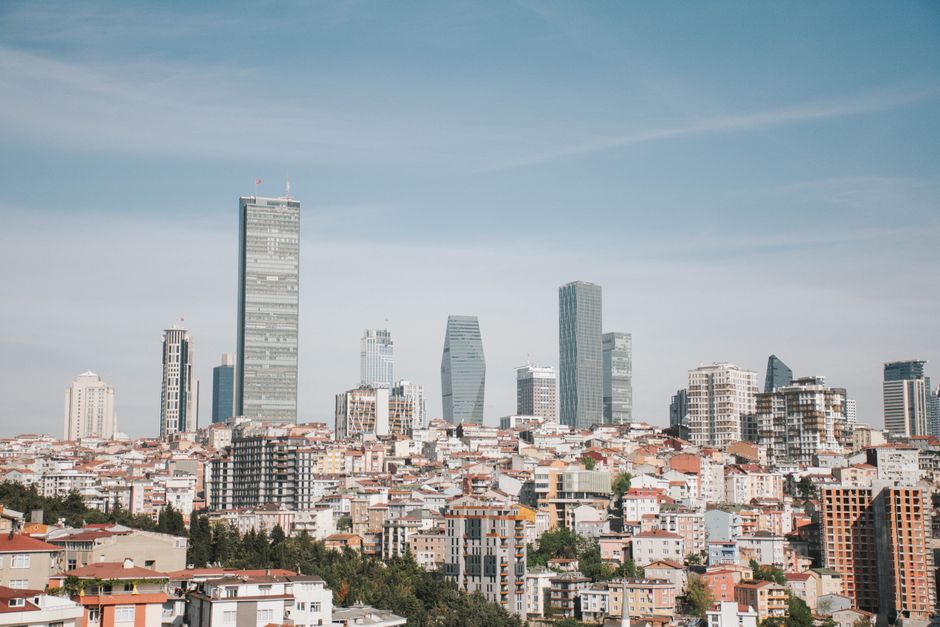
Istanbul's Golden Horn logistics district is buzzing with nervous energy. Shipping forwarders along the Karaköy waterfront report a 23% spike in inquiries about alternative routes to the Suez Canal in recent weeks, while currency traders at the Istanbul Stock Exchange have already priced in fresh volatility. For businesses operating out of Levent's gleaming office towers or the manufacturing hubs of Tuzla, the message is clear: the second half of 2026 demands sharper navigation skills.
The immediate pressure points are predictable but no less serious. Middle Eastern tensions continue to threaten critical shipping lanes—the very arteries through which Turkish exporters move goods to Asia and beyond. A logistics manager at a mid-sized firm in Pendik estimated that rerouting a single container shipment through longer passages could add $800 to $1,200 per TEU. For an exporter moving 50 containers monthly, that compounds quickly.
Currency swings present an equally thorny challenge. The Turkish lira's performance against the dollar and euro remains tethered to broader capital flows and geopolitical risk appetites. Importers stocking raw materials—particularly textiles sourcing from South Asia or chemicals from the Gulf—face constant recalculations. Businesses here report that locking in forward contracts three to six months out has become almost mandatory, yet hedging costs have risen noticeably since early 2026.
What's changed recently is the urgency around inventory management. Traders in the historic bazaar districts and modern supply-chain operations alike are adopting tighter just-in-time protocols to minimize exposure to prolonged transit delays or currency losses during storage. Some are accelerating orders ahead of expected tariff adjustments or trade policy shifts, creating a temporarily inflated demand picture that masks underlying softness in end-consumer demand across Europe and North America.
For Istanbul businesses, three practical moves stand out. First, diversify supplier bases away from single-source dependencies in volatile regions. Second, accelerate digitalization of customs and logistics documentation—time saved reduces exposure to currency fluctuations during clearance delays. Third, engage seriously with trade finance instruments; banks operating out of the Ziraat Tower and other financial hubs are actively marketing supply-chain financing solutions that hedge both timing and FX risks.
The consensus among chambers of commerce and export councils is cautiously pragmatic: H2 2026 is not a moment for aggressive expansion, but rather for operational resilience and selective positioning in less turbulent markets. Istanbul's role as a trans-shipment hub remains undiminished—but the margins for careless execution have narrowed considerably.
This article was compiled by AI from the sources linked above and screened before publishing. See our editorial standards.
How does this story make you feel?
Spread the word
About this article
Published by The Daily Istanbul
Daily brief
Free, in your inbox before 7am. Weekdays.
More in Business