Walk through the spice markets of the Grand Bazaar or grab a cappuccino at one of Beyoğlu's trendy cafés, and you're experiencing the fruits of global trade networks that have quietly underpinned Istanbul's prosperity for centuries. But that system is shifting in ways that will directly affect what you pay for imported goods—and soon.
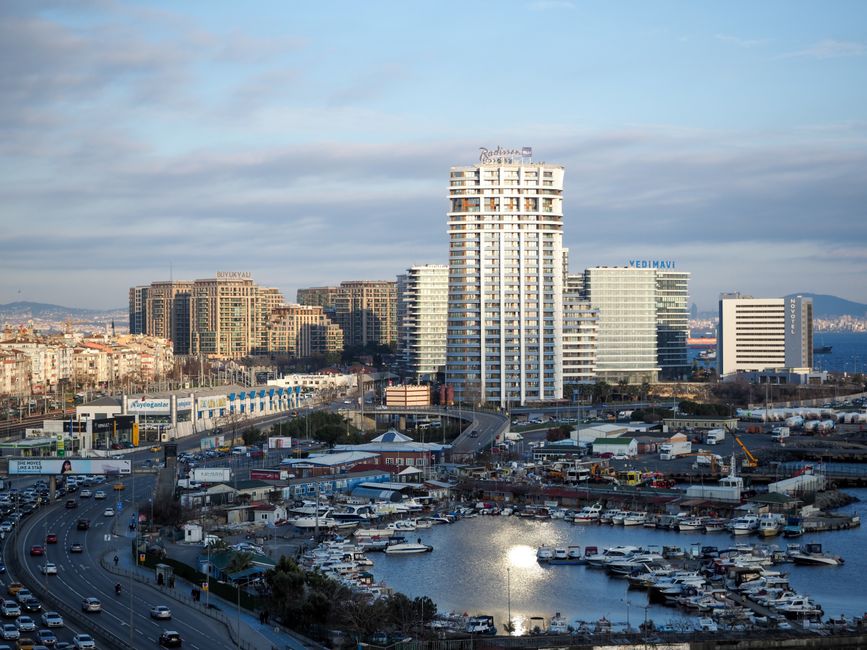
Istanbul's port, one of the world's busiest, handles over 3 million containers annually. Much of what reaches shelves across Turkey passes through these waters. Yet recent geopolitical tensions—from Middle Eastern instability to protectionist trade policies resurfacing globally—are creating friction in supply chains that ultimately trickles down to consumers in Kadıköy, Şişli, and beyond.
Take coffee, a staple for millions of Istanbulites. Vietnam and Indonesia supply roughly 40 percent of global coffee beans. New tariff discussions and shipping route uncertainties have already pushed wholesale coffee prices up 8-12 percent in recent months. A cup at your local kahveci that cost 50 Turkish lira last year now hovers around 55-58 lira. Over a year, that's meaningful money for working families.
Electronic goods tell a similar story. Most smartphones, laptops, and appliances sold in Turkey originate from East Asian factories and transit through ports like ours. Supply chain disruptions—whether from geopolitical tensions, new trade barriers, or port congestion—add weeks to delivery timelines and percentage points to prices. Consumer electronics, already expensive relative to wages for many Istanbulites, could see another 5-10 percent markup by autumn.
The less visible impact affects businesses directly. Small retailers on Istiklal Street or in Eminönü rely on just-in-time inventory systems. When goods get stuck in port or face unexpected duties, their margins compress. Some pass costs to customers; others absorb losses. Either way, the ecosystem suffers.
So what should residents understand? First, price volatility is likely. Second, patience pays—bulk buying before tariff increases takes planning but saves money. Third, supporting local producers where possible insulates you from global shocks. Turkish-made goods from producers in İzmit or Bursa face fewer supply chain risks than imports.
Istanbul's role as a trade hub is both strength and vulnerability. Our geographic position makes us indispensable to global commerce, but it also exposes us to every tremor in international relations. The next few months will test that resilience. Stay aware, adjust spending where you can, and remember: understanding these forces isn't just economics—it's practical wisdom for city living in 2026.
This article was compiled by AI from the sources linked above and screened before publishing. See our editorial standards.