How Global Turmoil Is Reshaping Istanbul's Business Landscape
From Galata to Levent, local entrepreneurs are navigating a treacherous mix of geopolitical tension, currency volatility, and shifting investment flows.
From Galata to Levent, local entrepreneurs are navigating a treacherous mix of geopolitical tension, currency volatility, and shifting investment flows.
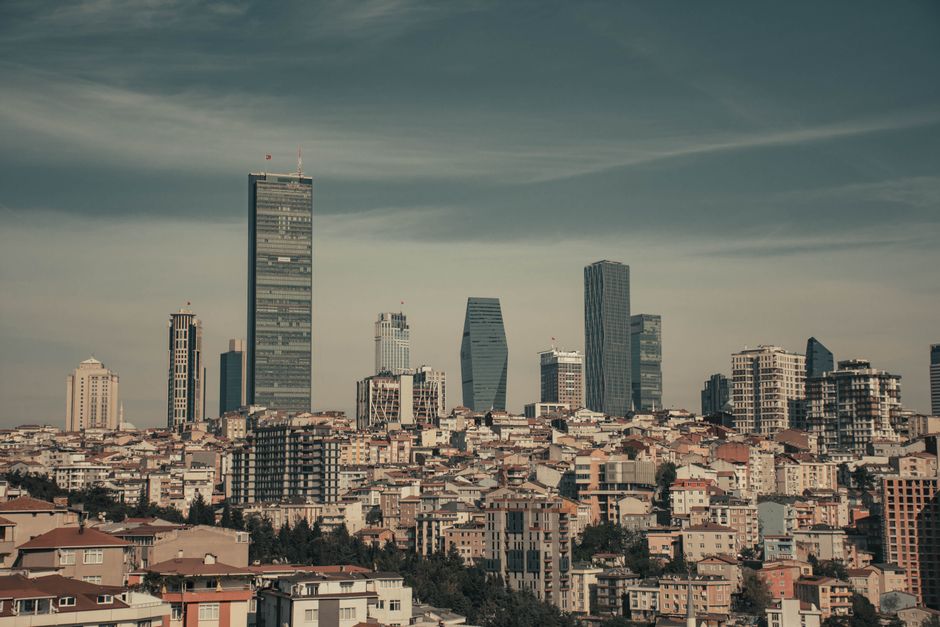
Istanbul's business community is bracing for a turbulent second half of 2026 as geopolitical instability ripples through global markets, directly destabilizing local operations and investment patterns. With U.S.-Iran tensions escalating and regional conflicts simmering across Pakistan and Afghanistan, the city's traditionally resilient entrepreneurial ecosystem faces unprecedented headwinds.
The cost of doing business in Istanbul has shifted dramatically. Commercial real estate in premium zones like Levent and Maslak—traditionally anchored by multinational headquarters—is experiencing unexpected softening. Landlords report reduced demand for long-term corporate leases, as international firms reassess their Turkey exposure amid geopolitical uncertainty. Meanwhile, rental costs for retail spaces along Istiklal Avenue and around Taksim remain elevated, squeezing small business margins at precisely the moment when consumer spending is cooling.
Currency volatility presents the sharpest challenge. Istanbul's import-dependent manufacturing and logistics sectors, concentrated around the Port of Ambarlı and industrial clusters in Tuzla, face spiraling input costs. A trader at the Istanbul Chamber of Commerce noted that shipping insurance premiums have jumped 35% since early June, directly passed to consumers. A coffee at a typical café in Beyoğlu now averages 180 lira—up nearly 20% year-on-year—while imported goods across Galata's bustling bazaar command premium markups.
Tourism, a cornerstone of Istanbul's service economy, shows mixed signals. International visitor numbers to major venues like the Blue Mosque and Topkapi Palace remain robust, but booking horizons have shortened. Hotels in Sultanahmet report cancellations from corporate events, while boutique accommodations in Ortaköy struggle to fill rooms during traditionally peak summer weeks. Tour operators cite client hesitation linked to broader Middle East concerns.
Venture capital flows tell another story. Tech startups in Beyoğlu's burgeoning innovation district reported slower fundraising rounds in Q2, with foreign investors pulling back. Domestic investors, simultaneously rattled by currency pressures and equity market volatility, are taking longer to commit capital.
Yet resilience endures. Istanbul's diversified economy—spanning finance, manufacturing, tourism, and tech—provides buffers other regional cities lack. Local business leaders emphasize that medium-term fundamentals remain sound, though near-term caution is warranted. Companies with stronger balance sheets are quietly repositioning supply chains and hedging currency exposure, preparing for a prolonged period of uncertainty.
For ordinary Istanbullus, the message is clear: global chaos hits local wallets fastest.
This article was compiled by AI from the sources linked above and screened before publishing. See our editorial standards.
How does this story make you feel?
Spread the word
About this article
Published by The Daily Istanbul
Daily brief
Free, in your inbox before 7am. Weekdays.
More in Business