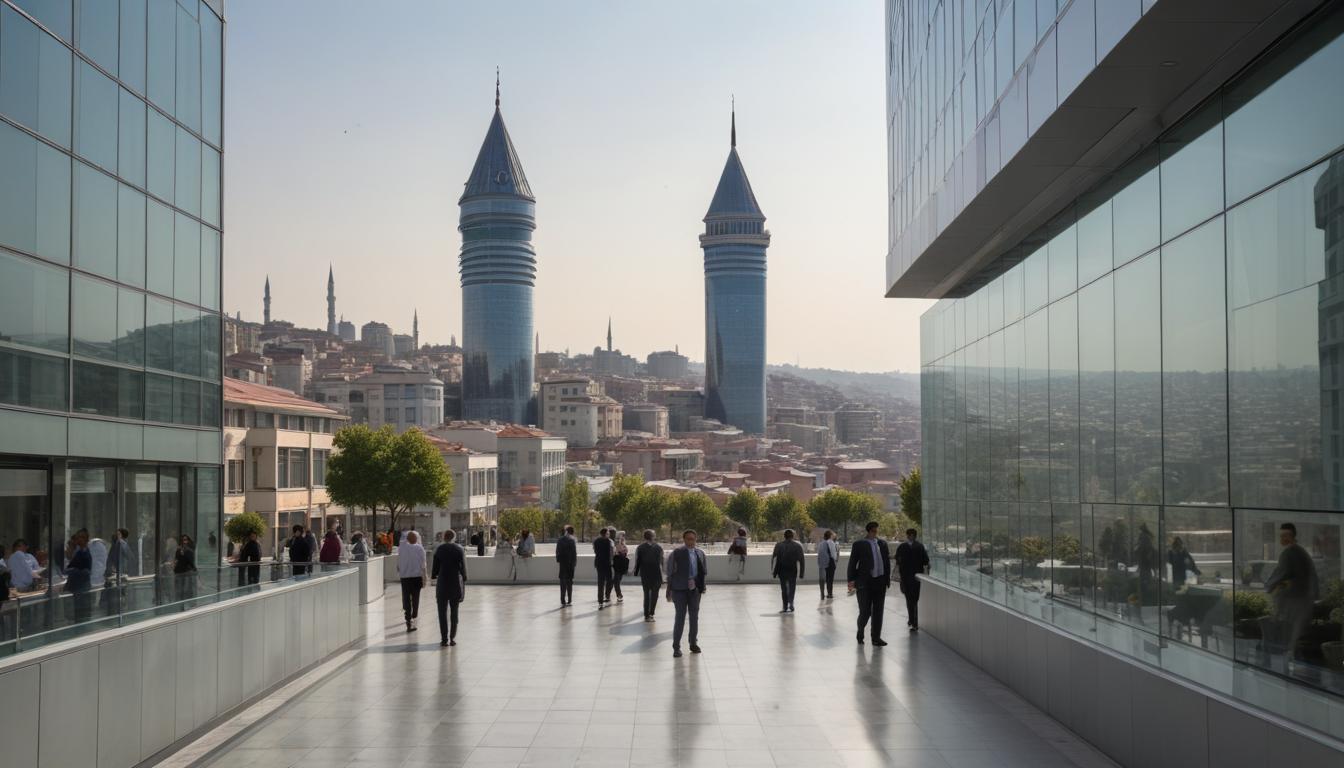
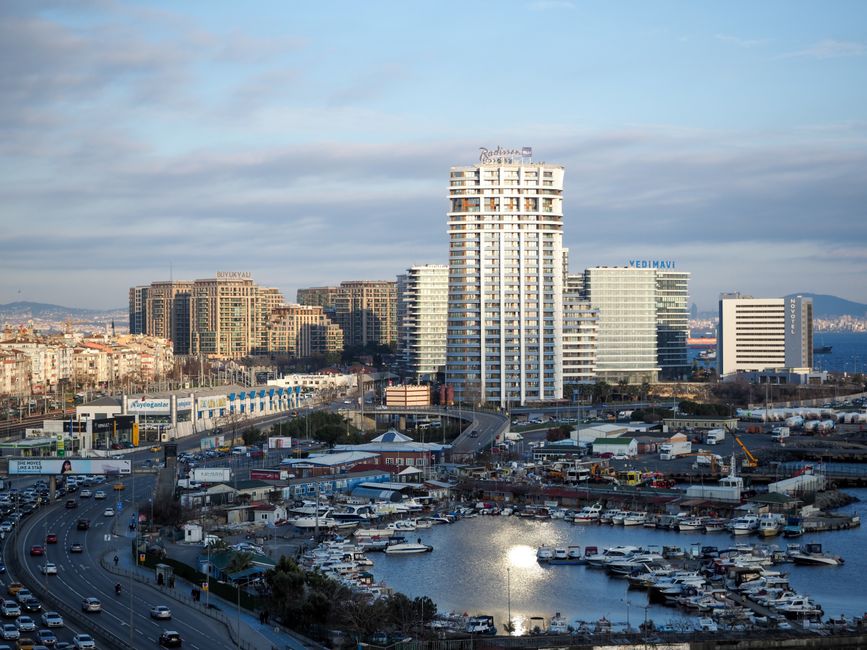
Walk through the gleaming office parks of Levent or Maslak on any weekday morning, and you'll notice something unsettling: the usual buzz of ambitious professionals has dulled to a whisper. The reason isn't hard to find. A one-bedroom apartment in Beşiktaş now commands rents exceeding 45,000 Turkish lira monthly, while a modest family home in Kadıköy hovers around 3.2 million lira. Meanwhile, a basket of groceries that cost 800 lira two years ago now approaches 1,400 lira. For Istanbul's white-collar workforce, the math no longer adds up.
The squeeze is forcing a fundamental shift in how Istanbul's employers—from global consulting giants to homegrown tech companies—compete for talent. HR directors at major firms are reporting unprecedented turnover rates, with mid-level professionals increasingly departing for positions in Ankara or even smaller Anatolian cities where purchasing power stretches further. Some are simply leaving Turkey altogether, creating a brain-drain effect that's reshaping hiring pipelines across finance, technology, and professional services sectors.
"We're seeing candidates accept lower-prestige roles in lower-cost cities rather than stay in Istanbul," explains one senior recruiter at a Maslak-based placement firm, reflecting a trend corroborated by interviews with multiple employment agencies throughout the business district. Tech startups clustered around Beyoğlu's co-working spaces report similar challenges, with junior developers and product managers citing commute costs and housing affordability as primary reasons for relocating.
The ripple effects extend beyond departures. Companies are reconsidering their office strategies, with some downsizing their Levent headquarters and shifting toward remote-work models that allow hiring from provinces. Others are accelerating salary adjustments—though not uniformly. Those able to tap international revenue streams are keeping pace with cost-of-living inflation, while domestically-focused businesses struggle to justify raises their margins cannot support.
Real estate agencies along Nişantaşı's shopping streets report increased inquiries from corporate relocation consultants seeking more affordable neighborhoods within commuting distance. Bahçelievler and Bakırköy are emerging as alternatives, though they too have seen sharp appreciation over recent quarters.
What began as an affordability crisis is now reshaping Istanbul's competitive advantage as a regional business hub. The city's ability to remain an attractive career destination for skilled professionals—the lifeblood of multinational operations and innovation—hinges on whether employers can reconcile market realities with employee expectations. For now, the answer remains frustratingly unclear.
This article was compiled by AI from the sources linked above and screened before publishing. See our editorial standards.